Thirty-one people died on June 21, 2023, in Yinchuan, China, when a restaurant exploded. Seven others were injured. The cause was a gas leak. The building was full of people eating dinner.
This is not a freak event. It is physics. A gas leak in an enclosed space, a spark, and the air becomes a bomb. The explosive gases in a Chinese restaurant kitchen are the same ones found in millions of homes and businesses worldwide: natural gas, methane, propane, butane. They are cheap, efficient, and deadly when mismanaged.
The Yinchuan death toll sits at 31. That number matters. It is high enough to force attention. Lower numbers, say three or four dead, often get local coverage and then vanish. Thirty-one dead in one blast demands a response. It demands inspections. It demands someone to blame.
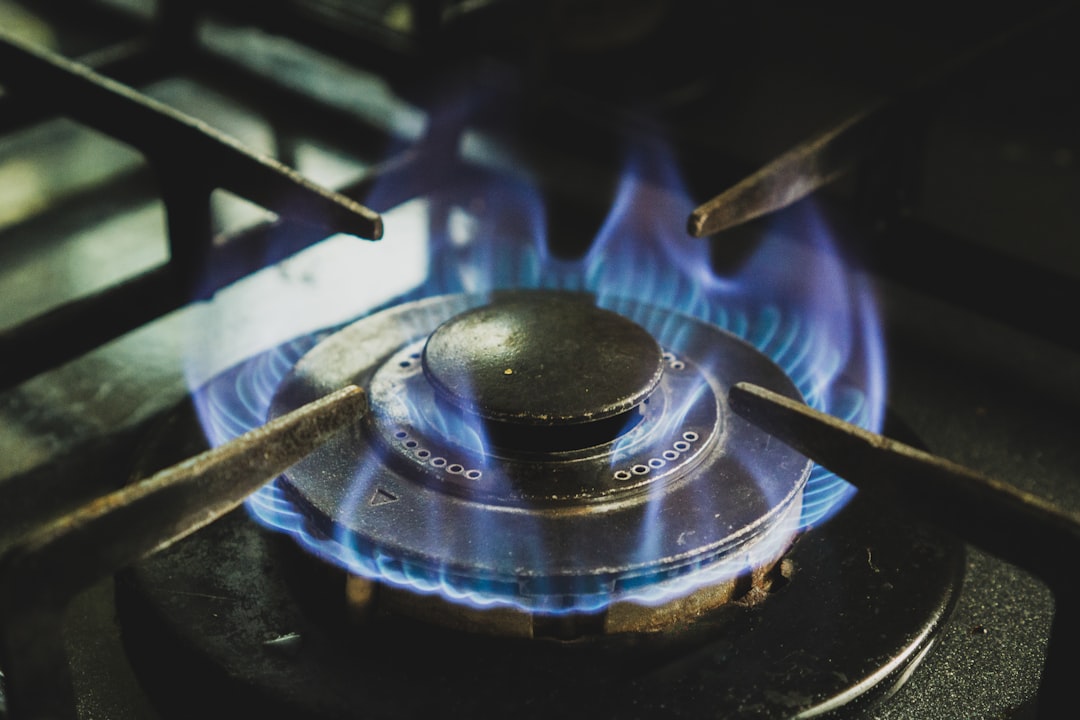
Gas explosions follow a predictable pattern. A leak happens. The gas accumulates because the room is not ventilated or because nobody noticed the smell. Then something ignites it. A pilot light. A light switch. A phone. The explosion is over in a fraction of a second. The rest is rubble and bodies.
The report on this incident points to faulty equipment, poor maintenance, or human error as likely causes. These are not exotic failures. They are routine. A gas line corrodes. A valve is left open. A worker is tired and makes a mistake. The difference between a near-miss and a mass casualty event is often a matter of inches and seconds.
Industrial gas explosions are another category entirely. They involve larger volumes of gas and often different substances: hydrogen, evaporated gasoline, ethanol. The principles are the same, but the scale is bigger. A hydrogen leak in a factory can level a building. The report notes that such industrial accidents can be prevented with intrinsic safety barriers or by switching to alternative energy sources. That is a technical solution. It costs money. It requires enforcement.
The Yinchuan explosion was not industrial. It was a restaurant. That makes it harder to dismiss as a problem for heavy industry. Restaurants are everywhere. They are in every city, every town, every street. If a restaurant in Yinchuan can kill 31 people, a restaurant in any city can do the same.
Safety protocols exist. Regular maintenance is a known requirement. Employee training is standard practice. The gap is between what is written on paper and what happens on the ground. A restaurant owner may skip a maintenance check to save money. A worker may not report a small leak because they are afraid of being blamed. These small decisions accumulate. Then the gas finds a spark.
The forces behind this event are not mysterious. They are economic pressure, regulatory gaps, and human nature. The likely outcome is a wave of inspections across China. Restaurants will be shut down temporarily. Fines will be issued. Officials will make statements. Some of the changes will stick. Some will fade. The next explosion will happen somewhere else, and the cycle will repeat.
The number 31 is specific. It is not a round number. Each of those 31 people had a name, a family, a reason to be in that restaurant on that night. The seven injured are alive but changed. That is the cost of a gas leak that should have been caught and was not.