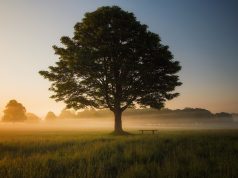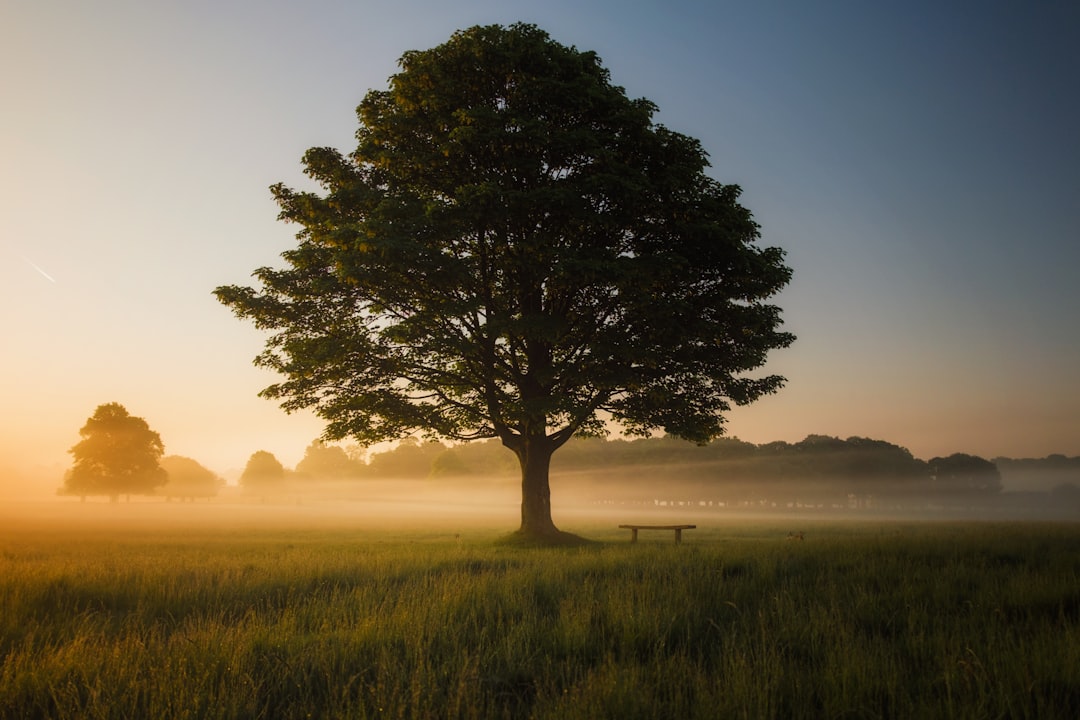
Lagos, June 10 — The students at King’s College and CMS Grammar School now have a new kind of lesson plan. It involves soil, saplings, and the long view. The UBA Foundation planted trees on both campuses to start its 2026 Tree Planting for Sustainability Initiative, and the choice of schools was no accident.
These are two of the oldest secondary institutions in Nigeria. King’s College traces back to 1909. CMS Grammar School opened in 1859. The Foundation deliberately selected historic schools, betting that established institutions have the staying power to keep environmental projects alive. A tree planted at a transient school might die with the next term. A tree at King’s College has a better shot at seeing a decade.
The Foundation is the Corporate Social Responsibility arm of the United Bank for Africa Group. It has been running this tree-planting program for four years now. The 2026 edition lands on the back of World Environment Day, observed June 5. The United Nations coordinates that day. This year’s global theme: “Inspired by Nature. For Climate. For Our Future.” The Foundation is trying to make that abstraction tangible for teenagers.
Bola Atta runs the UBA Foundation as its Managing Director and CEO. She called the tree-planting a strategic investment in the future. “We want young people to understand that the environment needs our collective support and protection,” Atta said. She stressed that sustainable practices lead to healthier communities and a better future for all. No mention of carbon offsets or corporate reporting. Just the blunt idea that young people need to see the environment as something that requires their hands.
The initiative is rolling out across selected schools in Nigeria. The goal is to integrate sustainability into school communities and turn students into environmental ambassadors. That is a lot of weight to put on a sapling. But the Foundation is betting that the act of planting—dirt under fingernails, a stake in the ground—sticks with a student longer than a lecture does.
King’s College and CMS Grammar School both have alumni networks that stretch across continents. Those networks can protect a tree-planting program from budget cuts or leadership changes. A school with a 160-year history has alumni who remember the trees planted when they were students. That memory becomes a kind of accountability.
The 2026 theme from the United Nations points to a collective future. The Foundation is trying to make that future local. A student at CMS Grammar School who waters a tree for three years will not need a UN report to understand climate action. They will have watched something grow.
Atta did not release numbers. No figure for how many trees went into the ground at King’s College or CMS Grammar School. No target for the total number of schools in the 2026 cycle. The Foundation has run this program for four years, but the report does not say how many trees survived from year one. That data would tell a sharper story. A tree that lives is a better metric than a tree that is planted.
Still, the act itself is concrete. A student at King’s College can point to a tree and say, “I put that in the ground.” That is a different kind of education. It is not abstract. It is not a textbook diagram of the carbon cycle. It is a living thing that needs water and sunlight and protection from goats.
The UBA Foundation is not the first corporate body to plant trees in Lagos schools. But the focus on historic institutions suggests a longer time horizon. A tree planted at a 115-year-old school has a chance to outlive the people who planted it. That is the point. The Foundation is not just teaching environmental awareness. It is building a physical legacy that students will have to maintain. That maintenance is the real lesson.