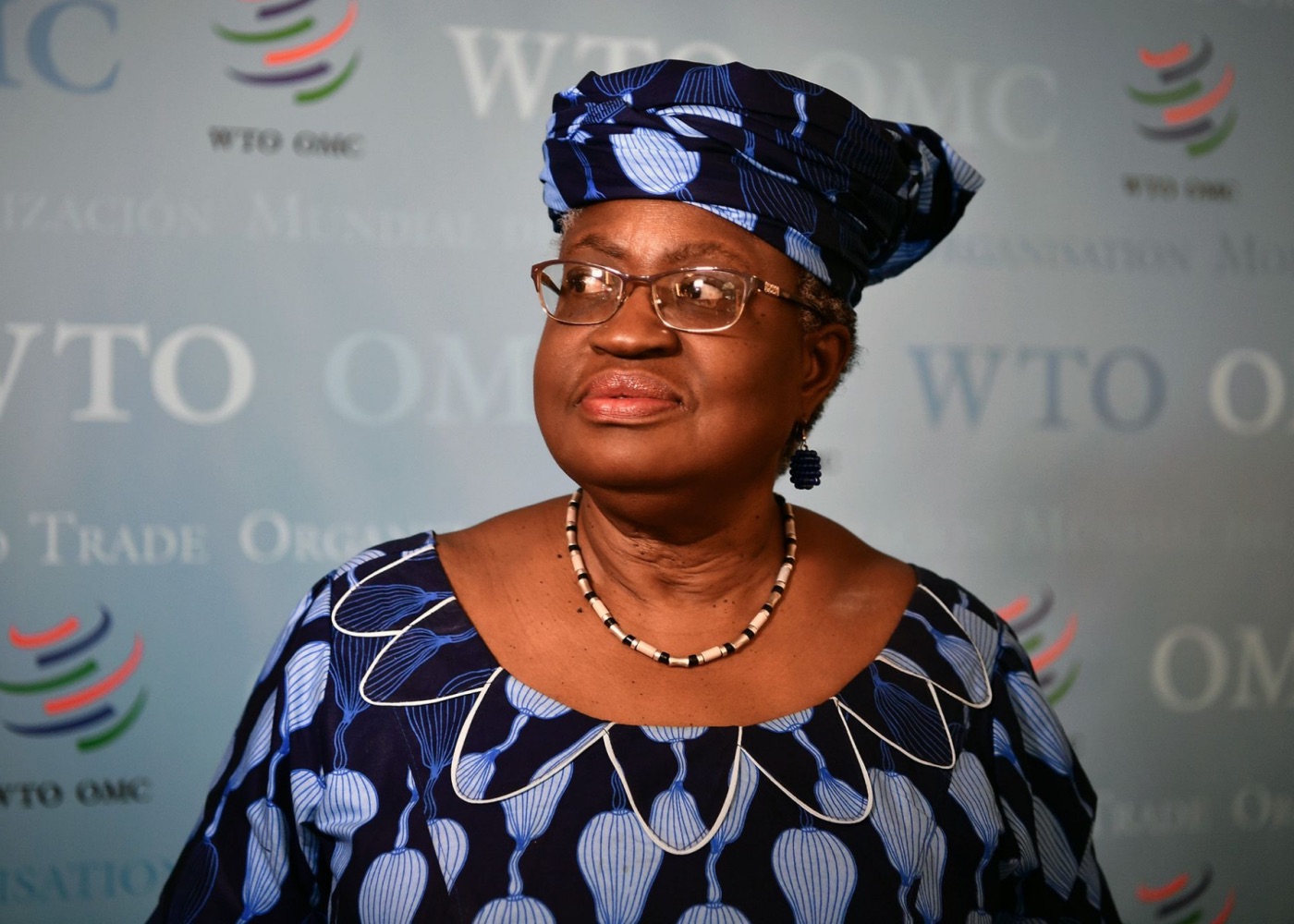
World Trade Organization warns of recession risks for major economies as global trade growth slows
The World Trade Organization has issued a stark warning regarding the state of the global economy, cautioning that several major nations face a genuine risk of slipping into recession. This assessment comes amidst a backdrop of persistent geopolitical instability driven by the ongoing crisis in Ukraine, which continues to disrupt supply chains and drive up costs for essential commodities. Compounding these issues are surging prices for food and gasoline, alongside inflation rates that remain stubbornly high across many regions. These converging factors have created a cloudy and uncertain outlook for international commerce. The organization’s leadership emphasized that while the economic downturn may not be universal, the impact on developing nations and emerging markets will be severe, as these economies rely heavily on exports from wealthy countries to sustain their own growth trajectories.
Shifting trade projections highlight global economic fragility
The outlook for global commerce has deteriorated significantly compared to earlier expectations. The World Trade Organization initially predicted a robust 3.5 percent increase in global trade volume for the current year. However, recent data released last month revised this forecast downward dramatically. The new projection for global trade growth stands at just 1.0 percent for the remainder of the year. This sharp correction reflects the real-time impact of geopolitical conflicts and domestic policy decisions that are stifling international exchange. Ngozi Okonjo-Iweala, the Director-General of the WTO, stated clearly that while a recession might not occur everywhere, several key countries are at risk of sliding into an economic downturn. This contraction poses a direct threat to developing nations and emerging markets, which depend on the purchasing power of wealthy nations to recover from their own internal challenges. The slowdown threatens to undo years of progress in lifting millions out of poverty through trade-based growth.
Urgent calls for G20 cooperation on food security
A critical component of the WTO’s warning involves the handling of agricultural exports. Rising food prices have already strained budgets in low-income countries, and recent export restrictions imposed by various nations have only exacerbated the problem. In response to these developments, Okonjo-Iweala has issued a direct appeal to leaders within the G20 community. She has urged these powerful economies to gradually lift restrictions on food exports that harm developing nations by artificially driving up prices for essential staples. The organization argues that hoarding or restricting grain and other agricultural products during times of crisis is counterproductive and dangerous for global stability. The Director-General emphasized that cooperation among the world’s largest economies is essential to prevent a humanitarian disaster. Without coordinated action to ensure food flows freely across borders, the economic recession predicted by the WTO could quickly turn into a broader social and political instability in vulnerable regions.
Progress on dispute settlement system offers cautious optimism
Despite the grim economic forecast, there are signs of diplomatic movement regarding the World Trade Organization’s legal framework. The organization’s dispute settlement system has been paralyzed since 2019, following an action by the administration of former U.S. President Donald Trump to block the appointment of judges for the appeals body. This paralysis prevented the WTO from effectively arbitrating on international trade disputes, leaving a gap in global economic governance. Okonjo-Iweala expressed very hopeful optimism regarding a potential breakthrough in resolving this long-standing issue. Trade ministers from G7 advanced economies agreed during a meeting in September to work toward restoring a functioning dispute settlement system by 2024. She noted that the United States is consulting actively with other members at an informal level, suggesting that increased American engagement could help speed up progress on these necessary reforms. The restoration of this body would provide a vital mechanism for resolving conflicts and maintaining order in global trade relations.
U.S.-China dialogue seen as key to global recovery
On the diplomatic front, interactions between the United States and China remain a focal point for hopes of global economic stability. At the fringes of the G20 summit, President Joe Biden met with Chinese President Xi Jinping to repair their strained bilateral relations. This meeting addressed one of the many concerns weighing on the prospects for a global recovery. Okonjo-Iweala highlighted that it is always beneficial when the two largest economies in the world engage in dialogue. She observed that such talks, as seen at the recent US-China summit, are very helpful particularly with respect to trade issues. The resumption of high-level dialogue between Washington and Beijing represents a potential breakthrough that could ease tensions and facilitate smoother commercial exchanges. While challenges remain, the willingness of both leaders to meet suggests a shift away from isolationist policies that have plagued international relations in recent years. This renewed engagement offers a glimmer of hope for stabilizing the global economy against the backdrop of recession fears.