The end of COVID-19’s global health emergency status, announced by the World Health Organization on May 15, 2023, does not erase the disease’s long tail. For millions, the virus itself is not finished. Lingering symptoms, known as long COVID, persist for months after the initial infection. This reality will shape healthcare systems, workplaces, and daily life for years to come, even as the emergency phase closes.
The pandemic, declared in March 2020, infected a staggering number of people worldwide. The disease, caused by the coronavirus SARS-CoV-2, first emerged in January 2020. From the start, its hallmark was unpredictability. Symptoms could begin one to fourteen days after exposure. Fever, fatigue, cough, breathing difficulties, loss of smell, and loss of taste were common. But at least a third of those infected never developed noticeable symptoms at all. This silent spread made containment nearly impossible.
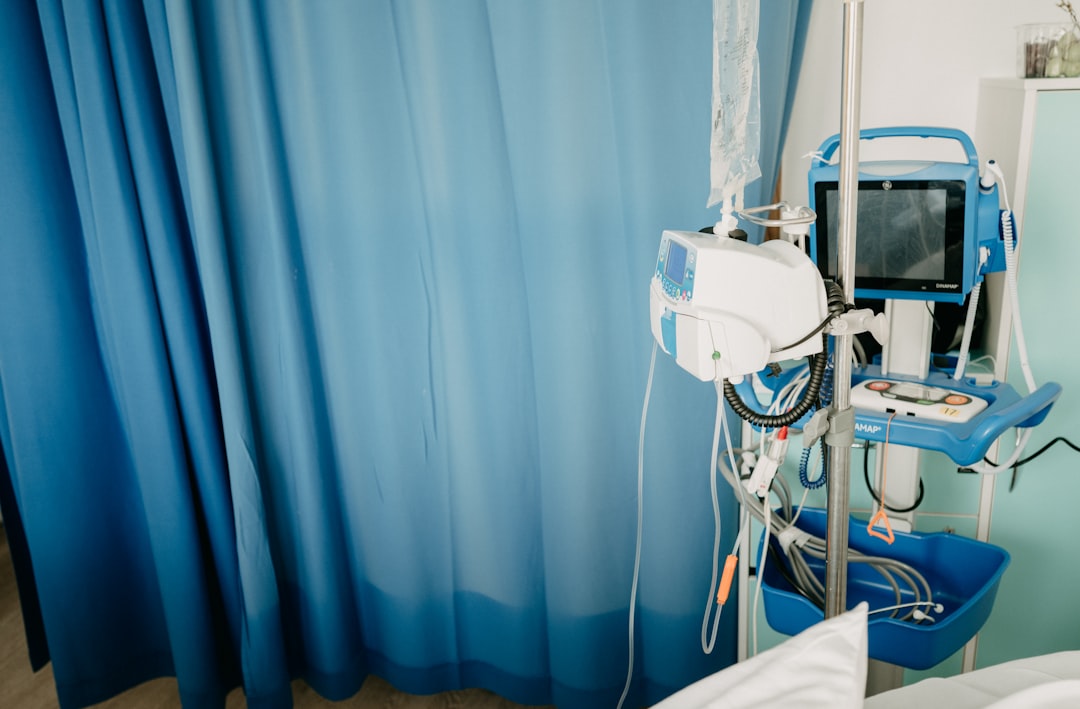
For those who did get sick, the experience ranged wildly. Data from the report shows that 81% of patients developed mild to moderate symptoms, including mild pneumonia. A smaller group, 14%, faced severe symptoms: dyspnea, hypoxia, or lung involvement covering more than 50% on imaging. The worst off, 5%, suffered critical symptoms like respiratory failure, shock, or multiorgan dysfunction. These numbers are not abstract. They represent real people in hospital beds, on ventilators, and in long recoveries.
Age was a brutal dividing line. Older people faced a higher risk of severe illness and death. This demographic vulnerability demanded targeted protection measures throughout the pandemic. Nursing homes, assisted living facilities, and senior centers became front lines. The toll on this group will echo for a generation.
The emergency declaration’s end is a bureaucratic milestone, not a medical one. The virus still circulates. New variants can still emerge. The WHO’s move signals that the acute crisis phase has passed, but the disease remains a persistent threat. Public health systems now shift from emergency response to routine management. Testing, treatment, and vaccination programs must adapt to a world where COVID-19 is endemic, not pandemic.
The economic fallout is still unfolding. Businesses that survived lockdowns now face ongoing disruptions from employee illness and long COVID. Supply chains, already strained, continue to adjust. The pandemic reshaped how people work, shop, and socialize. Remote work, once a temporary measure, is now permanent for many. These changes are not reversible.
Mental health effects are another lasting consequence. Isolation, fear, and grief marked the pandemic years. Healthcare workers, who bore the brunt of the crisis, face burnout and trauma. The full scope of this psychological toll is only beginning to be measured.
The global health emergency declaration, first made in March 2020, was a call to action. Its end on May 15, 2023, is a signal of progress. But the virus itself does not respect deadlines. The pandemic’s consequences will be measured in years, not announcements. The disease changed the world. The world now must learn to live with it.