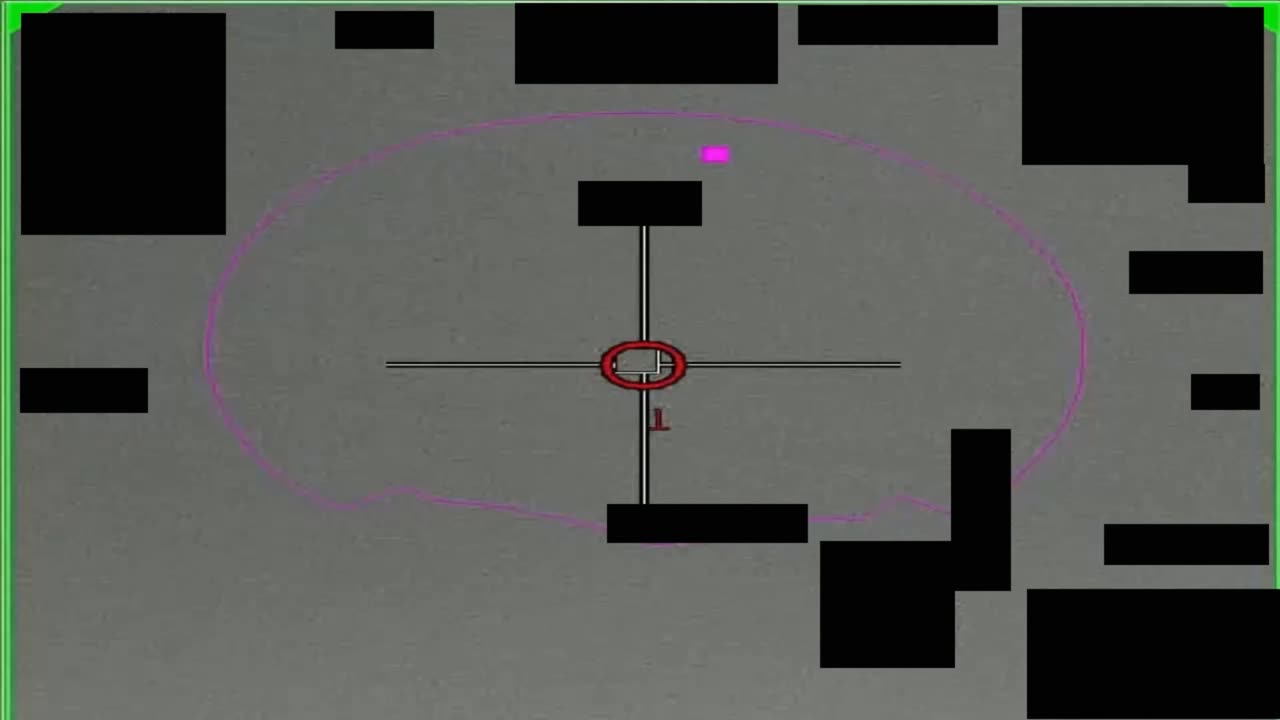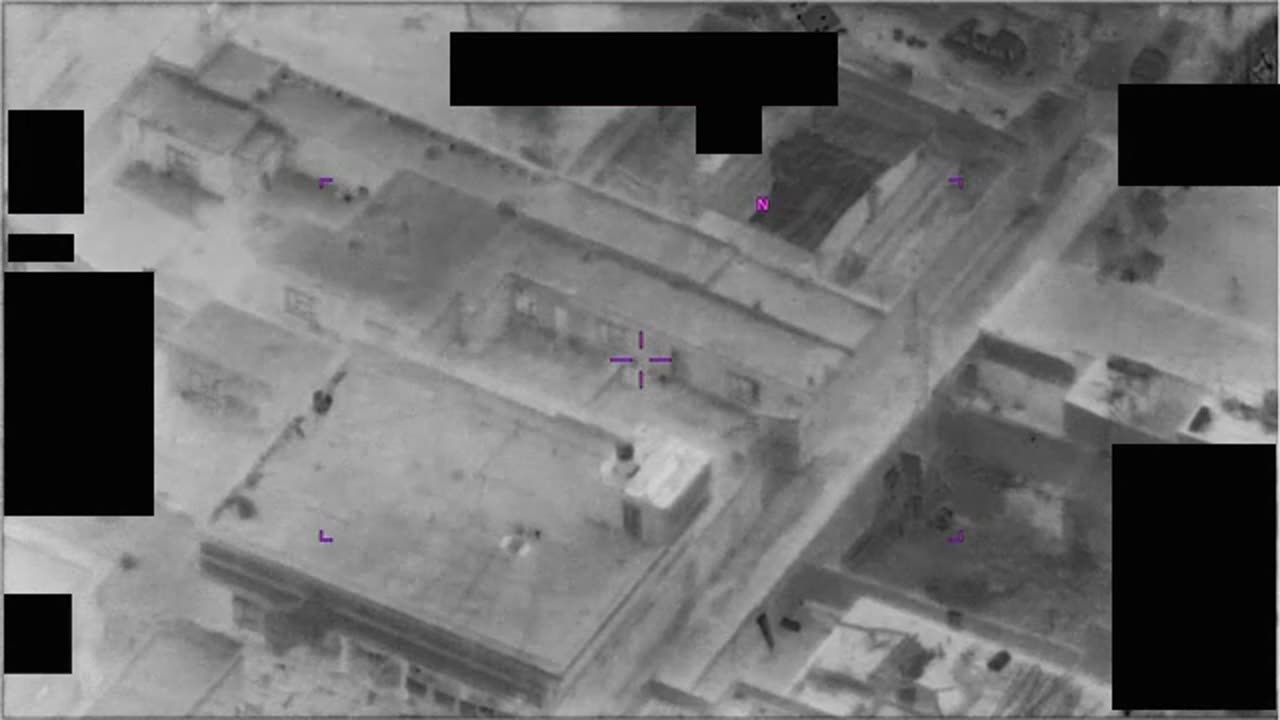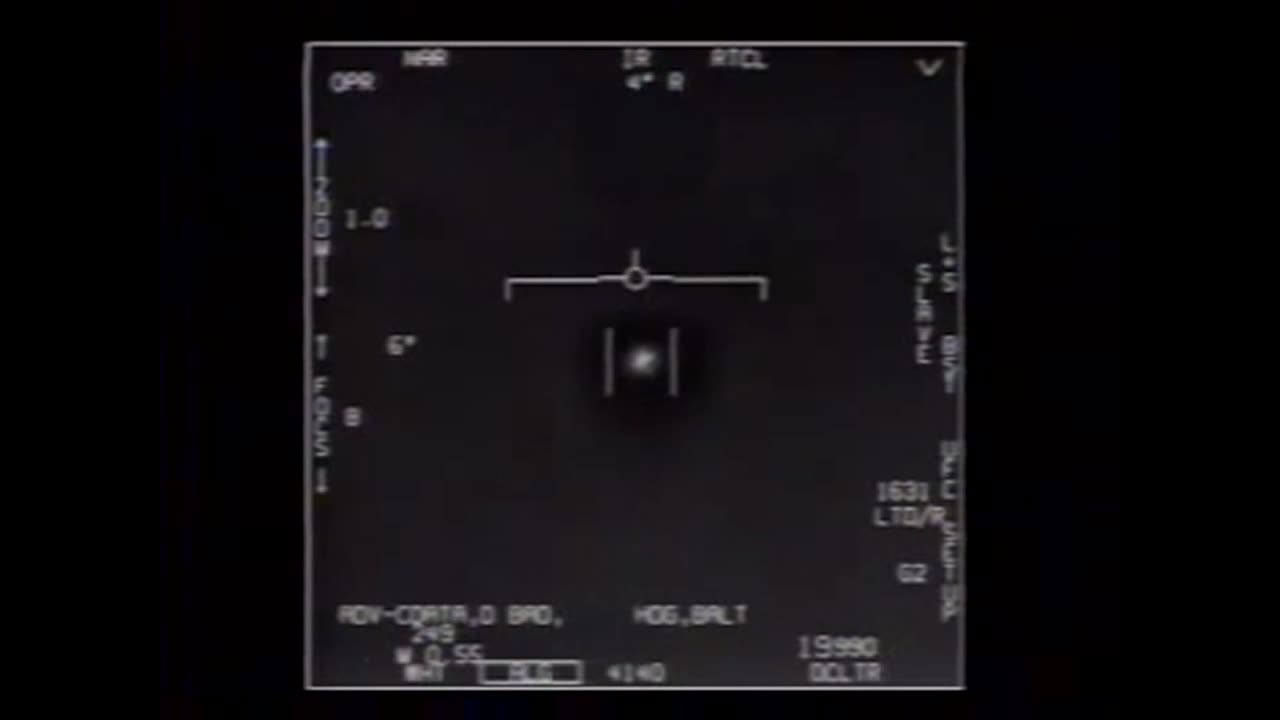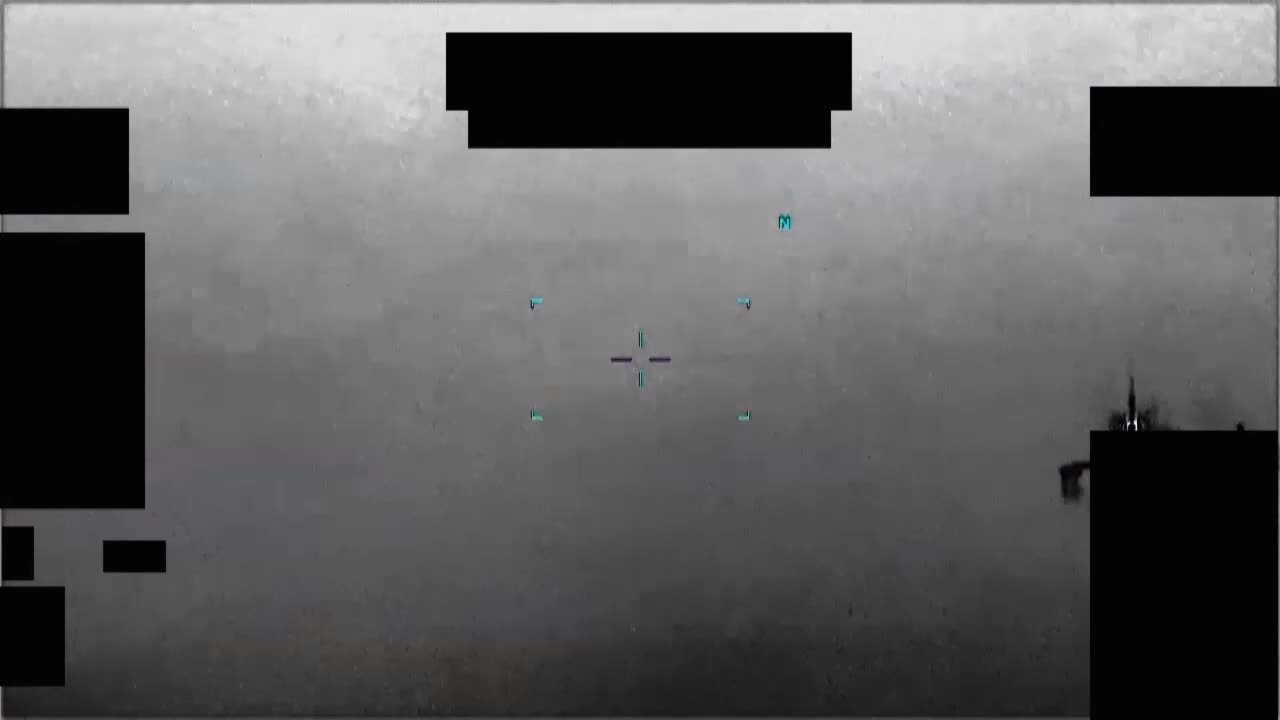
The infrared camera on a Coast Guard C-144 aircraft locked onto something small and oval-shaped over the Gulf of Mexico on April 24, 2024. For 90 seconds, the sensor tracked the object near Tyndall Air Force Base in Florida. Then it left the frame. The Department of War released the footage last week under its PURSUE policy, designating it PR65. Analysts call the object a “tic tac.”
The video is short. It shows a heat signature moving in ways that do not match known aircraft or drones. The Department of War has not released the object’s speed or altitude. The All-domain Anomaly Resolution Office, or AARO, has not issued a formal assessment. That silence is the point.
What is at stake here is not just one more grainy video. The PURSUE policy mandates declassification of UAP materials when possible. That policy exists because the government has spent decades not releasing them. Each release tests whether the system works. If AARO never issues assessments, or if the released footage lacks basic telemetry data, the policy becomes a PR exercise. Not a transparency effort.
The Coast Guard crew was on a routine patrol. Their C-144 carried an infrared sensor that picked up the object. The report does not say whether radar tracked it. That gap matters. A single sensor gives you a bearing and a heat signature. Two sensors give you a track. Radar data would tell analysts whether the object maneuvered in ways that break known physics. Without it, the video is a curiosity. Not evidence.
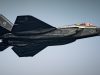
Tyndall Air Force Base sits on the Florida Panhandle. It is a major installation for F-35 operations and air combat training. An unidentified object operating near that airspace for 90 seconds raises questions about airspace security. The Department of War has not said whether the object was intercepted, or whether other aircraft in the area detected it. Those facts would tell the public whether the military can see what is in its own backyard.
The object’s description as a “tic tac” is not new. Similar shapes have appeared in previous UAP footage, including the 2004 Nimitz encounter. That pattern — same shape, different locations, years apart — is what makes analysts pay attention. Either there is a class of objects with consistent geometry, or the human eye is pattern-matching where no pattern exists. AARO is supposed to settle that. It has not settled this one.
The video itself is declassified. But declassification without context is noise. Speed, altitude, radar cross-section, pilot testimony — none of that is in the release. The public gets a clip. The analysts get the data. The gap between what the government knows and what it shows is the real story.
PURSUE policy was designed to close that gap. This release shows it is still open.