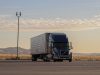
Roads in Quezon province are narrow. They cut through fields and towns, with delivery trucks and family vans sharing the same cramped lanes. On August 18, 2024, in Sariaya, that geography turned lethal. A van carrying a single family collided with a delivery truck. At least eight people died. All of them were related.
The Philippines has been trying to fix its roads. Government campaigns push for seatbelts, speed limits, and sober driving. But campaigns do not widen a highway or separate a truck from a passenger van. The country’s infrastructure was built for lighter traffic, for a different era. Now, delivery trucks barrel through the same corridors where families drive to Sunday visits or market trips. The mismatch is deadly.
This accident is not isolated. Year after year, the Philippines records thousands of road deaths. The World Health Organization has ranked the country among the worst in Southeast Asia for traffic fatalities. The reasons are familiar: old vehicles, weak enforcement, roads that were never designed for the volume or the weight of modern traffic. In Sariaya, those factors converged in a single moment.
Eight people from one family. That detail cuts deeper than a number. One household lost a generation. The community in Sariaya now faces a funeral where the caskets are all the same size, all for relatives. The emotional wreckage is harder to clear than the twisted metal.
The delivery truck involved was a commercial vehicle. Commercial trucks are supposed to follow stricter rules — driver hours, vehicle inspections, load limits. But enforcement is spotty. In many provinces, a truck driver can log double shifts without anyone checking. The roads themselves offer little margin for error. A moment of fatigue, a second of distraction, a patch of bad road. The consequences are absolute.
Environmental damage also follows these crashes. Fuel spills. Oil leaks. Scrap metal left to rust. The report notes that such accidents contribute to waste and pollution. A family is buried, and the ground where they died stays contaminated. Cleanup crews can scrub the asphalt, but the soil underneath holds the residue for years.
The Philippines has initiatives aimed at reducing accidents. There are speed cameras in some cities, checkpoints on major highways, and public awareness drives. But the country’s geography works against those efforts. Narrow roads. Congested highways. Trucks that cannot stop quickly and vans that cannot absorb a high-speed impact. Sariaya is not unique. It is a pattern that repeats.
Investigators are still looking into the cause. They will check the van’s brakes, the truck’s speed, the road conditions at the time of the crash. They will interview witnesses. They will file a report. None of that brings back eight people.
The broader question is harder to answer. How many reforms are needed before the roads stop taking families whole? The government has talked about upgrading infrastructure, about separating truck lanes from car lanes, about stricter licensing. But talk is cheap. Concrete and steel are not. And in the meantime, another van will pull onto another narrow road, carrying people who do not know that the margin for error is measured in inches.