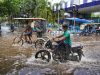
Metro Manila sits on water. That is the grim reality laid bare by Typhoon Gaemi. The region’s 636 square kilometers hold 14 million people, many living on reclaimed land, river deltas, and the heavily modified banks of natural waterways. When the typhoon hit on July 24, 2024, those decades of urban development met their limit. Drainage systems choked. Rivers swelled past their banks. Streets became muddy rivers.
The result was a state of calamity declaration for the capital region. That is the single most important development here. It unlocks emergency funds. It streamlines relief. It imposes price controls on basic goods. But what the declaration really does is acknowledge a hard truth: this is not a surprise. It is a pattern.
Look at the cities hit hardest. Malabon. Navotas. Valenzuela. These are not random names. They sit on Manila Bay’s edge. They flood every time a big storm comes. The report names them specifically because their geography is a trap. Low-lying, exposed, densely packed. When Typhoon Gaemi’s outer bands kept dumping rain on already saturated ground, those cities took the first hit. Their residents know the drill. Evacuate. Wait. Clean up. Repeat.
The calamity declaration changes the speed of response. National government money flows faster. No bureaucratic delays. Food, water, medical supplies get bought and moved quicker. That matters when floodwaters are still receding and people are stranded. Local disaster teams have been working around the clock. They pulled families from the worst-hit neighborhoods. They are still doing it.
But the declaration also triggers price controls. That is a quiet but crucial detail. When basic goods become scarce in a crisis, prices spike. Gouging follows. The state of calamity freezes that. It keeps rice, bottled water, canned goods within reach for people who just lost everything. It is a blunt tool, but it works.
Officials are telling residents in flood-prone zones to stay vigilant. The typhoon’s outer bands are still dumping rain. The metropolis is saturated. More flooding is possible. That is not alarmism. It is a statement of fact from the people who watched the water rise.
Metro Manila’s geography has always been its weakness. Built on shifting ground. Reclaimed land that sinks. Rivers that have been straightened, paved over, and choked with trash. Development did not fix the problem. It made it worse. Every typhoon tests the system. Every typhoon finds the cracks.
This time, the cracks were big enough to trigger a state of calamity. That is the story. Not the storm itself. Not the rain. The declaration. It is the government’s admission that the situation is beyond normal response. It is the lever that moves money and resources faster. It is the price control that stops a bad situation from becoming a predatory one.
And it is a reminder. The region’s 14 million people live on borrowed ground. The water always comes back. The question is how fast the system can respond when it does.