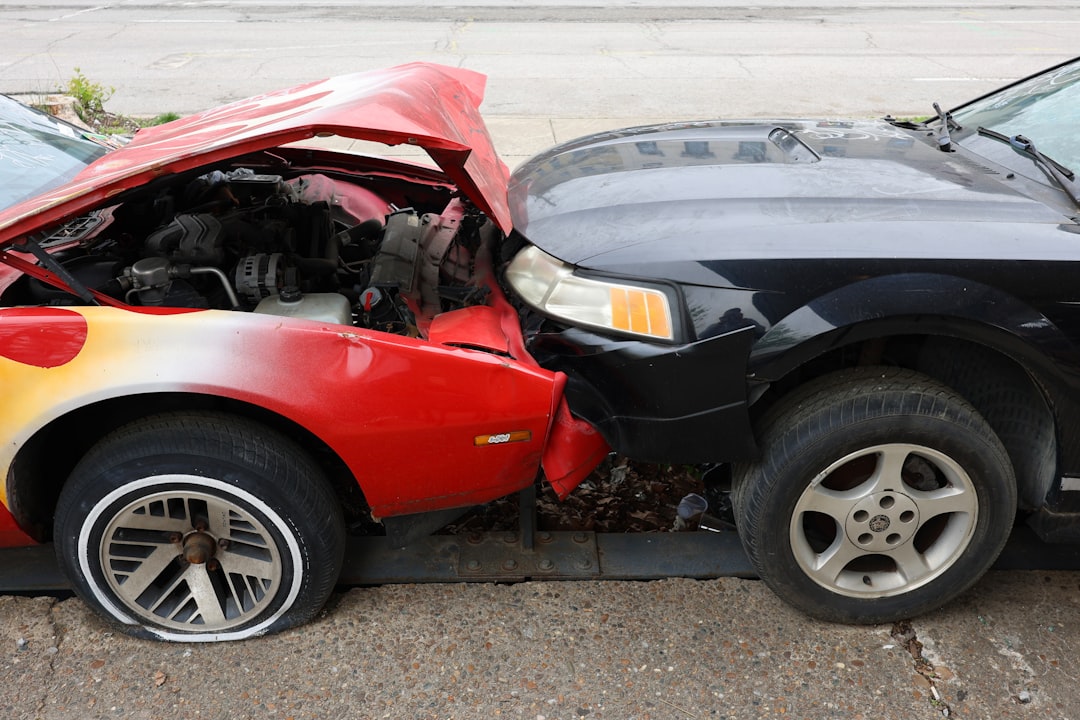
A government vehicle and a bus collided on June 25 in Tiruchirappalli, Tamil Nadu. Five people died. Thirty-four others were injured. The immediate toll is clear. The longer consequences are only beginning to surface for the families involved and for the public systems meant to prevent such events.
The dead and injured were passengers. They were people using public or government transport. The crash now forces questions about the maintenance of those vehicles. It raises the issue of driver training. It puts the state government under scrutiny. Tamil Nadu, like all Indian states, operates a large fleet of government buses and vehicles. Each one carries a responsibility. That responsibility failed on June 25.
Hospitals in Tiruchirappalli handled the injured. Thirty-four people needed medical care. That strains local resources. It ties up beds, doctors, and supplies. For a district hospital, a sudden influx of trauma patients is a serious event. The recovery for the injured will take weeks or months. Some may carry permanent disabilities. Their families now face lost wages and medical bills.
The crash also touches the political system. India has a parliamentary government. The central government in New Delhi and the state government in Chennai both bear responsibility for road safety. The report notes that the government is accountable to the people. This accident is a test of that accountability. Citizens expect action. They expect investigations. They expect changes to prevent a repeat.
India’s road safety record is poor. The country accounts for a disproportionate share of global road deaths. The government has launched initiatives. It has built new highways. It has promoted public transportation. But the number of crashes remains high. The Tiruchirappalli accident is a local example of a national problem. The government’s efforts, while commendable, have not yet produced consistent results.
The crash also highlights the condition of public transportation. The report raises concerns about vehicle maintenance. Buses and government cars age. They require regular inspection. Roads in Tamil Nadu vary from smooth highways to narrow, poorly lit rural routes. Driver fatigue is a known factor in long-haul bus operations. The exact cause of this crash has not been fully determined, but the pattern of contributing factors is well understood.
There is also a broader environmental and infrastructure angle. India is investing in renewable energy, including solar and wind power. That is a separate priority. But a clean energy grid does not fix a potholed road or a faulty brake line. The country must develop its infrastructure in parallel. A modern economy requires safe transport. The government’s push for growth must include safety standards that are enforced, not just written.
The diversity of India’s states adds complexity. Each state has its own road conditions, traffic laws, and enforcement culture. A coordinated national approach is needed. But local implementation varies. Tiruchirappalli is in Tamil Nadu, a state with relatively good governance. If a crash like this can happen there, it can happen anywhere.
For now, the families of the five dead are in mourning. The 34 injured are in treatment. The government is under pressure to investigate and to act. The accident is a data point in a larger pattern. The question is whether it will lead to real change or become just another statistic in India’s long record of road fatalities.