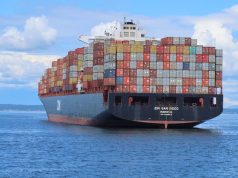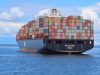
The 12-kilometer oil slick trailing from a sanctioned Russian tanker off Gotland is now a cleanup problem, a diplomatic incident, and a test of enforcement. The Swedish Coast Guard seized the vessel on April 3, 2026. The spill itself stretches eight miles. The fallout will stretch further.
The tanker was part of Russia’s so-called shadow fleet — aging, poorly insured vessels used to move oil under Western sanctions. EU restrictions already barred it from European ports. It was operating anyway. Now it sits in Swedish custody, and the legal machinery has to decide what comes next: fines, criminal charges, or a diplomatic fight over jurisdiction.
Swedish Minister of Defence Pål Jonson praised the Coast Guard’s “swift action,” calling it proof of Sweden’s commitment to international law and environmental protection. That statement carries weight. Sweden is a NATO member as of 2024. The seizure is a test of whether the alliance’s newest member will physically enforce sanctions at sea, not just vote for them in Brussels.
The UK and other EU states have already signaled support. The US State Department weighed in too, backing Sweden’s move. That consensus matters. A single nation seizing a Russian state-linked vessel is a bold step. A united Western front turns it into a precedent.
Environmental consequences are immediate. The Baltic Sea is shallow, brackish, and slow to flush. Oil spills there linger. The Coast Guard, based at Skavsta Airport southwest of Stockholm, handles maritime surveillance and environmental cleanup as part of its civilian mandate. It has hovercraft and snowmobiles for winter work on the Bothnian Bay. It operates on Lake Vänern too. The agency knows cold-water cleanup. But a 12-kilometer slick in April, when ice may still be breaking up in northern waters, is no routine job.
Watch the insurance angle next. Shadow fleet tankers often carry inadequate or fraudulent coverage. If this vessel cannot pay for the cleanup, the Swedish state — and by extension Swedish taxpayers — will absorb the cost. That changes the political math. Environmental damage is one thing. A direct bill to the public is another.
Also watch the crew. A seized foreign vessel means foreign nationals in Swedish custody. Consular access, legal representation, possible deportation — each step carries diplomatic friction. Russia has a history of treating detained crews as bargaining chips or propaganda tools.
The seizure sends a signal to other shadow fleet operators. The Baltic is narrow. Choke points are many. If Sweden will board and seize a tanker for a spill, the risk calculation for shipping Russian oil just changed. Every captain now has to weigh not just sanctions paperwork but the real possibility of arrest and forfeiture.
Sweden’s Coast Guard is a civilian agency, not a navy. That distinction matters. A military interdiction would escalate the confrontation. A civilian law enforcement action keeps it within the framework of maritime regulation and environmental law. It is harder for Moscow to call an act of war what is, on paper, a pollution bust.
The tanker was under EU sanctions. It spilled oil. The Coast Guard took it. The cleanup starts now. The legal and diplomatic consequences will take months to resolve. The precedent — that a small, civilian agency can stop a sanctioned vessel cold — may last much longer.