On September 4, 2023, a low-pressure system formed, marking the beginning of Storm Daniel, a tropical cyclone that would go on to cause catastrophic damage in several countries. Also known as Cyclone Daniel, the storm would become the deadliest Mediterranean tropical-like cyclone in recorded history and the second-costliest tropical cyclone on record outside of the North Atlantic Basin.
The storm initially affected Greece, Bulgaria, and Turkey, causing extensive flooding in these regions. As it organized into a Mediterranean low, it was designated as Storm Daniel and soon acquired quasi-tropical characteristics. This development allowed the storm to move towards the coast of Libya, where it would ultimately cause devastating flooding.
In Libya, the flooding caused by Storm Daniel was exacerbated by the collapse of two dams, Derna and Mansour. The failure of these dams led to the flooding of the Wadi Derna river, resulting in significant damage to the city of Derna. The collapse of the dams was a direct consequence of the storm’s impact, highlighting the severity of the flooding caused by Storm Daniel.
The formation of Storm Daniel was the result of an omega block, a high-pressure zone sandwiched between two zones of low pressure. The isobars of this weather pattern took on the shape of the Greek letter omega (Ω), creating a unique and powerful storm system. This weather pattern contributed to the storm’s erratic and catastrophic behavior, making it a particularly destructive tropical cyclone.
Impact on Affected Countries
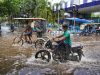
In Greece, the severe rainfall caused by Storm Daniel led to flooding that resulted in more than two billion euros in damage. This made Storm Daniel the most costly recorded storm for the country, highlighting the significant impact of the cyclone on Greece’s infrastructure and economy. The flooding caused by the storm was widespread, affecting several regions and causing significant disruption to daily life.
As the situation continues to unfold, it is essential to monitor the developments in the affected countries. The full extent of the damage caused by Storm Daniel is still being assessed, and it may take time to determine the total cost of the destruction. However, it is clear that the storm has had a profound impact on the regions it affected, and efforts to recover and rebuild will be necessary in the coming days and weeks.
Looking ahead, it will be crucial to watch for further updates on the situation in Greece, Bulgaria, Turkey, and Libya. As the affected countries begin to recover from the storm, it will be essential to provide support and assistance to those who have been displaced or affected by the flooding. Additionally, efforts to prevent similar disasters in the future will be necessary, including the development of more effective early warning systems and infrastructure to mitigate the impact of severe weather events.