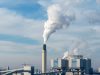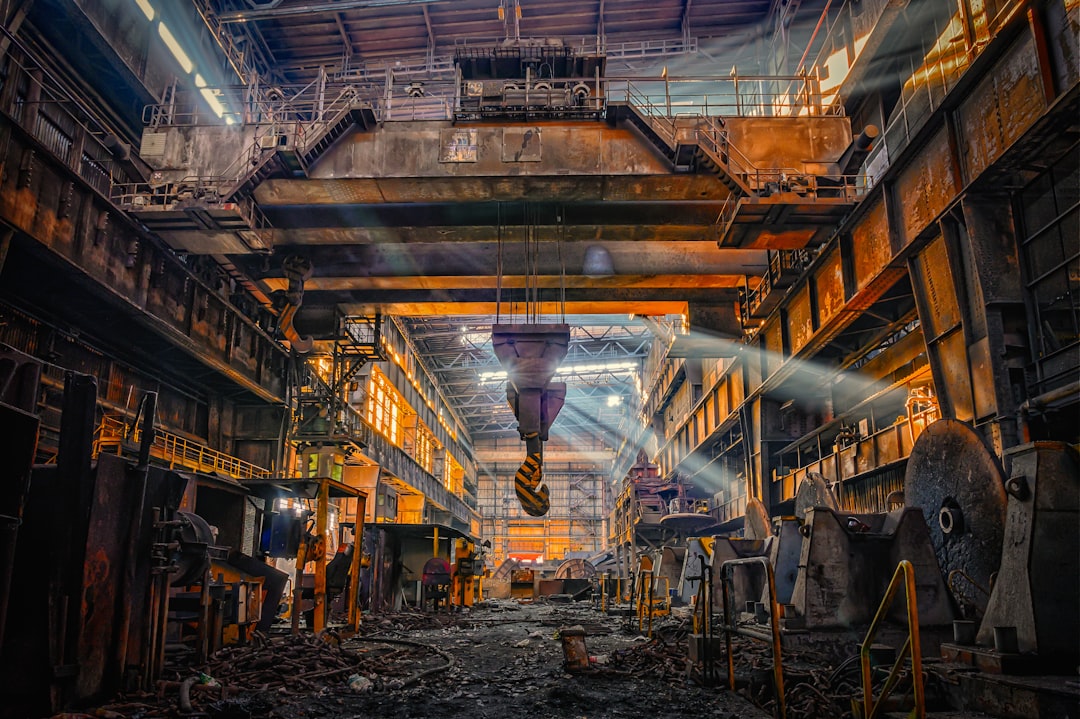
The explosion that killed four workers and injured five others at a steel mill in Yingkou, Liaoning, on June 23, 2023, is not an isolated event. It is the latest in a long line of industrial accidents that have plagued China’s heavy manufacturing sector. The steel mill, a key component of the country’s industrial backbone, operates under conditions that are inherently dangerous. High temperatures, extreme pressures, and volatile chemical reactions are the daily reality for workers inside these facilities.
The blast was an extreme outward release of energy. That is the clinical description. But the consequences are anything but clinical. Four families are now mourning. Five more workers are recovering from injuries that, depending on their severity, may alter their lives permanently. The facility itself, likely damaged, will require investigation and repair before operations can resume. The economic cost is measurable. The human cost is not.
Investigators are now tasked with determining the cause. The possible explanations are many. The rapid expansion of gases can trigger an explosion. A chemical reaction can do the same. So can equipment failure. In a steel mill, all three are constant possibilities. The plant is a complex facility where processes involving high temperatures and pressures are carried out. One misstep, one faulty valve, one overlooked crack in a pressure vessel, and the energy inside finds a way out.
This incident forces a hard look at safety protocols. Stringent protocols exist on paper. Emergency response plans are filed and reviewed. But the gap between written policy and floor-level reality can be deadly. The explosion in Yingkou is a reminder that the gap remains. The question is not whether safety measures are in place. It is whether they are enforced, maintained, and taken seriously at every level of the operation.
There is a broader context here. Steel production is an energy-intensive process. It is a critical component of modern infrastructure. It is also a significant source of environmental impact. The blast in Yingkou is a tragedy of immediate consequence, but it also points to a larger challenge. Balancing economic growth with environmental sustainability is difficult. Balancing it with worker safety is equally hard. The two are not separate. A plant that cuts corners on safety is often the same plant that cuts corners on emissions and waste management.
Investing in cleaner production technologies could reduce both environmental harm and the risk of accidents. Renewable energy sources, such as solar and wind power, can help. They can reduce the environmental footprint of steelmaking. They can enhance energy security. They can also reduce costs over time. But they do not directly prevent explosions. That requires a different kind of investment: in maintenance, in training, in a culture that values a worker’s life over a production target.
The investigation in Yingkou will proceed. The cause will be identified. Reports will be filed. But the pattern is stubborn. Industrial accidents continue to happen. Workers continue to die. The lesson of June 23, 2023, is not new. It is the same lesson that follows every explosion, every fire, every collapse. Safety is not a checkbox. It is a daily practice. And when that practice fails, the cost is measured in lives.