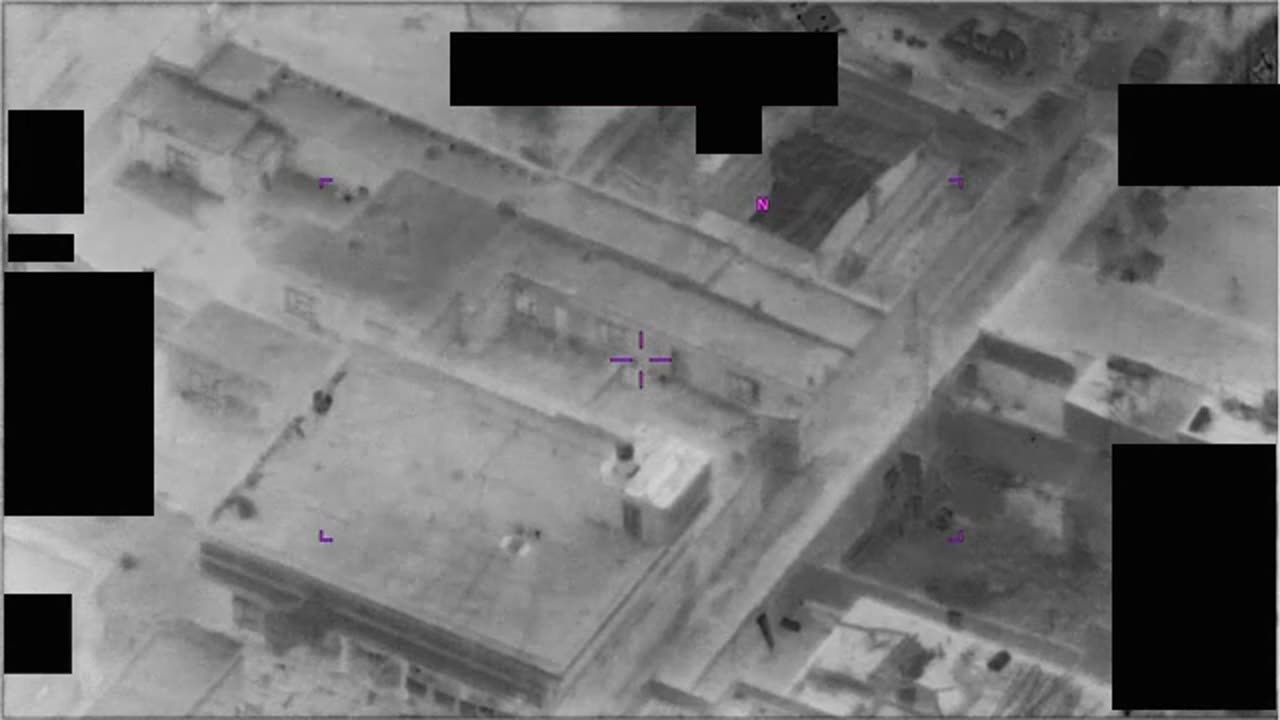
The Pentagon’s UAP investigative office received a single, redacted still image from the FBI in 2025. The mission report that should have accompanied it never arrived. That gap is now public record, released May 8, 2026, from the Department of War’s PURSUE archive.
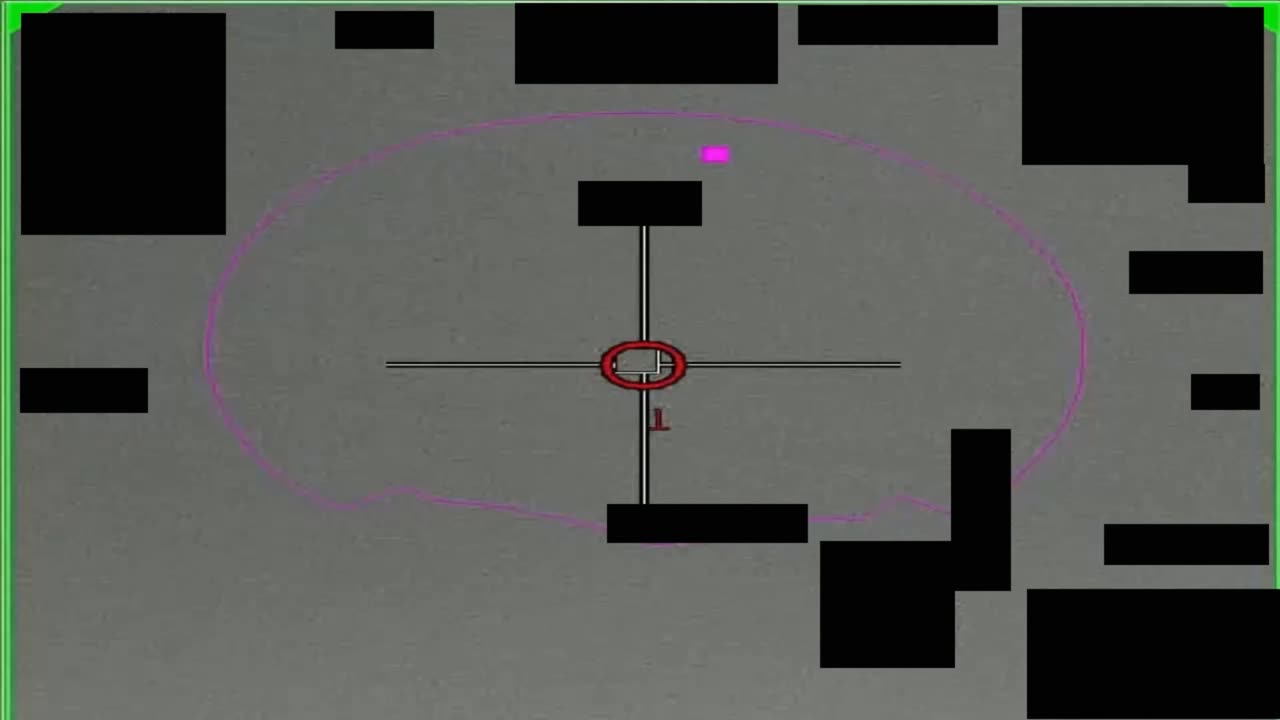
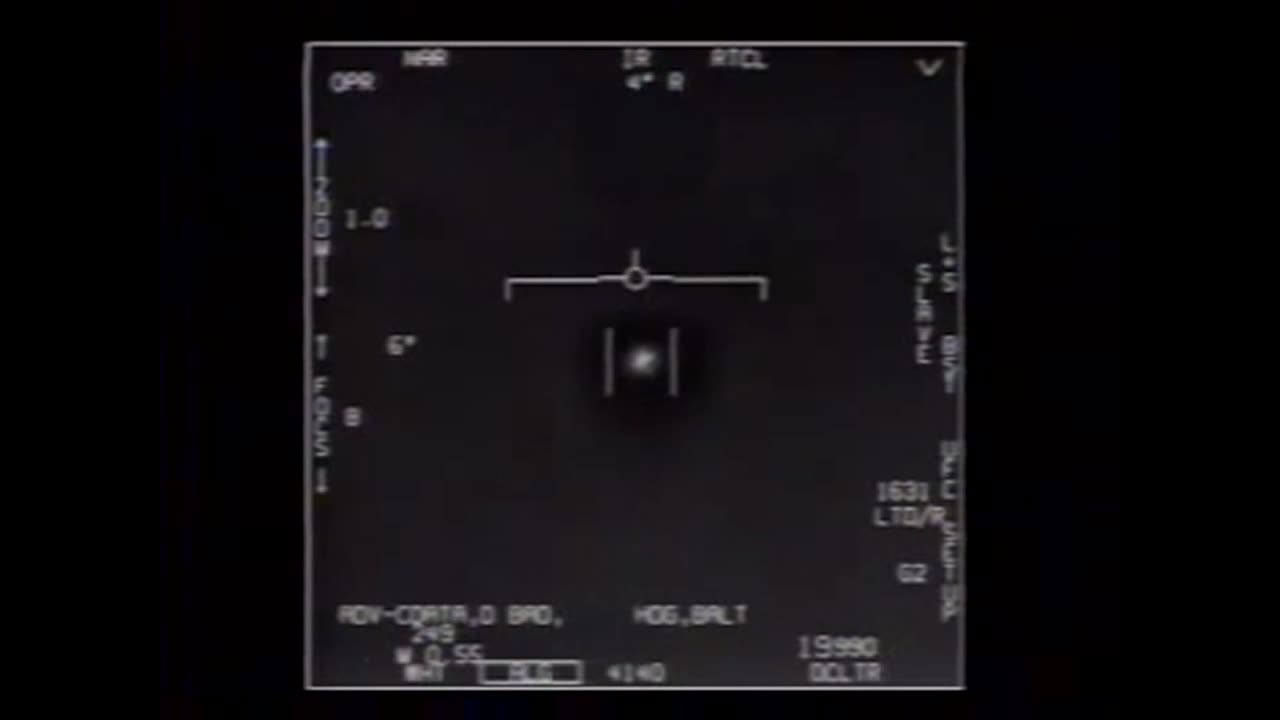
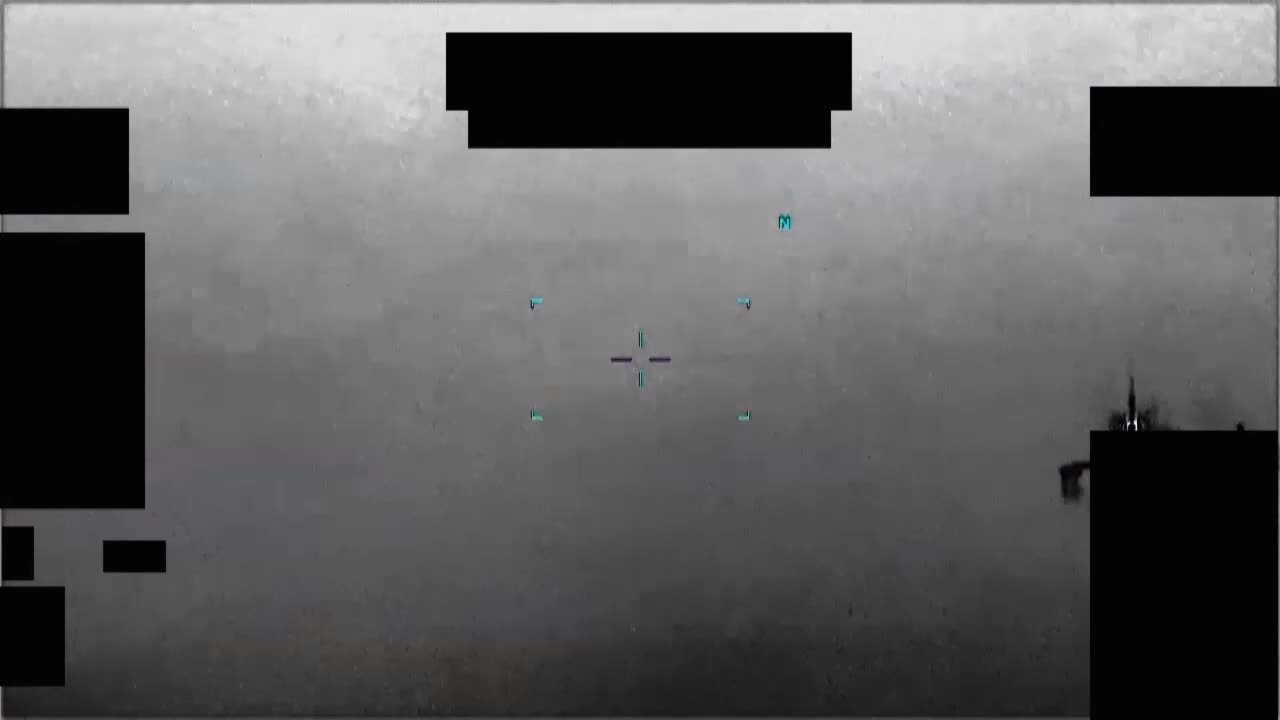
The file is labeled “FBI Photo B16.” It shows a monochrome image with a grainy texture and a simplified central crosshair. Two dark, irregular-shaped objects sit just right of center in the upper right quadrant. That is all the visual evidence the All-domain Anomaly Resolution Office got.
No context. No narrative of what happened. No chain of custody for the objects in the frame.
The official description states the original imagery came from a U.S. military system. That system’s operator reported being “unable to positively identify the UAP.” The date stamped on the image is wrong — the system date and time were not set, so the timestamp is useless.
What is at stake here is straightforward. AARO exists to collect and analyze UAP data from across the federal government. It is the central clearinghouse. If a major agency like the FBI submits a photo but withholds the accompanying mission report, the office is working blind. It gets a fragment, not a case file.
The document’s narrative description, which the archive explicitly says does not reflect any analytical judgment or conclusion, offers only the barest visual summary. It does not say where over the Western United States the event occurred. It does not say what kind of military system captured the image. It does not say why the FBI redacted portions of the photo before handing it over.
Redaction itself is not unusual. Intelligence agencies routinely protect sources and methods. But redaction without an accompanying report means the people at AARO cannot assess what was removed or why. They cannot weigh the value of the withheld information against the value of the visible data.
The PURSUE archive release makes that failure concrete. The file exists. The photo exists. The report does not. The official record states it plainly: “an accompanying mission report was not provided.”
This is not a question of whether the objects in the image are anomalous. The operator could not identify them. That is the definition of an unidentified anomalous phenomenon. The question is whether the government’s own investigative apparatus can function when key pieces go missing.
The Western United States is a region with heavy military airspace, test ranges, and commercial air traffic. An event there in late 2025 could have involved any combination of those. Without the mission report, there is no way to know if other sensors detected the objects, if radar tracked them, or if any aircraft were scrambled.
AARO was created to bring coherence to a fragmented system. Individual agencies used to handle UAP reports in isolation, often with no obligation to share. The All-domain Anomaly Resolution Office was supposed to change that. The FBI Photo B16 file suggests the change is incomplete.
The image itself is grainy. Two dark shapes. A crosshair. A wrong date. That is the sum total of what the Pentagon’s dedicated UAP office received from one of the most powerful law enforcement and intelligence agencies in the world.
The PURSUE archive does not say why the report was withheld. It does not say whether AARO requested it. It does not say whether the FBI ever planned to provide it. The record is silent on those points. What it does say is that the photo arrived alone.
For anyone tracking how the U.S. government handles these cases, that silence is the story. The gap between what was submitted and what was not is where the real questions live. And those questions remain unanswered.