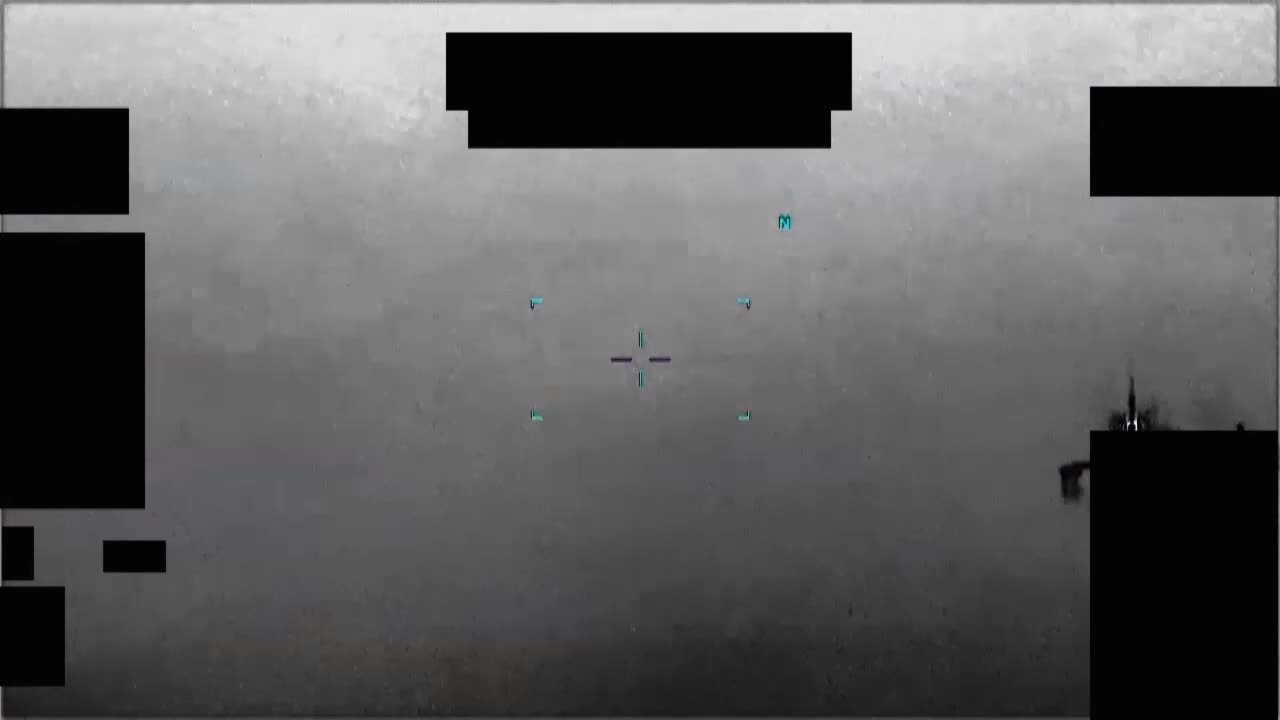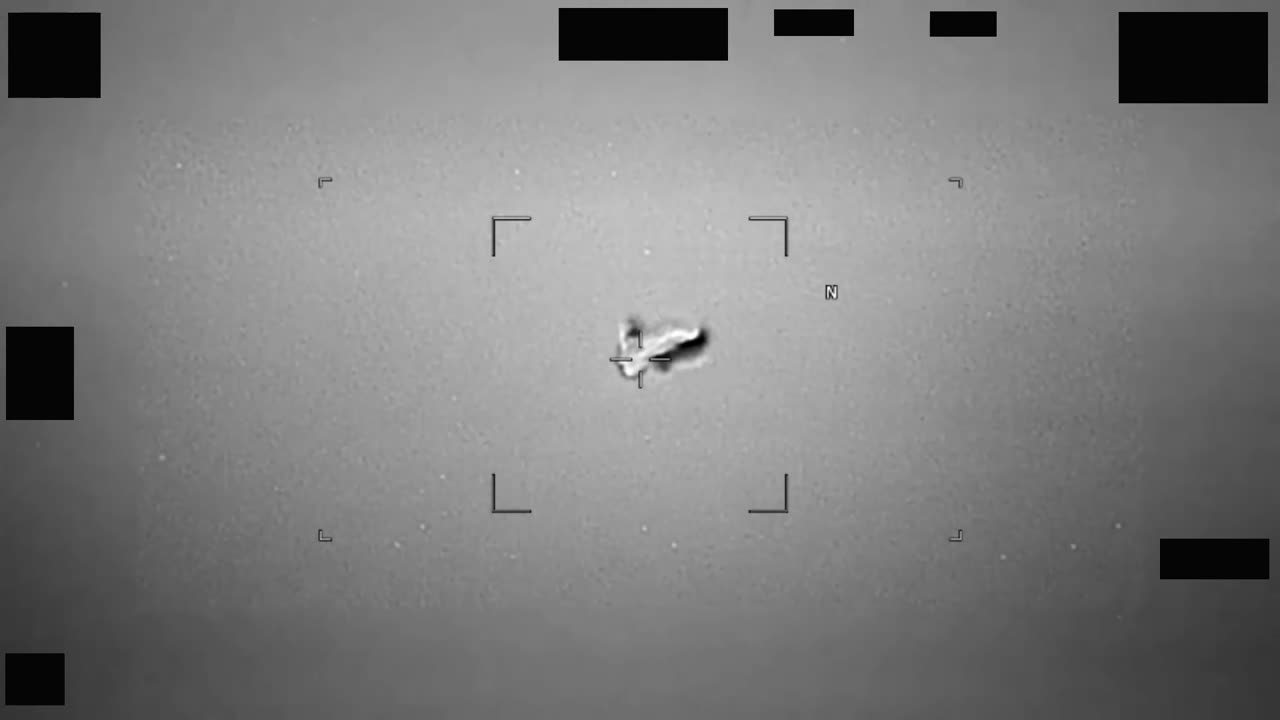
The Department of War has declassified a report detailing an unresolved unidentified anomalous phenomena (UAP) encounter in the Indo-Pacific region in 2024. The document, designated PR46, was released under the Pentagon’s PURSUE policy framework, which governs the declassification of UAP-related materials. The report originates from U.S. Indo-Pacific Command (INDOPACOM) and describes an incident that remains unexplained after initial analysis.
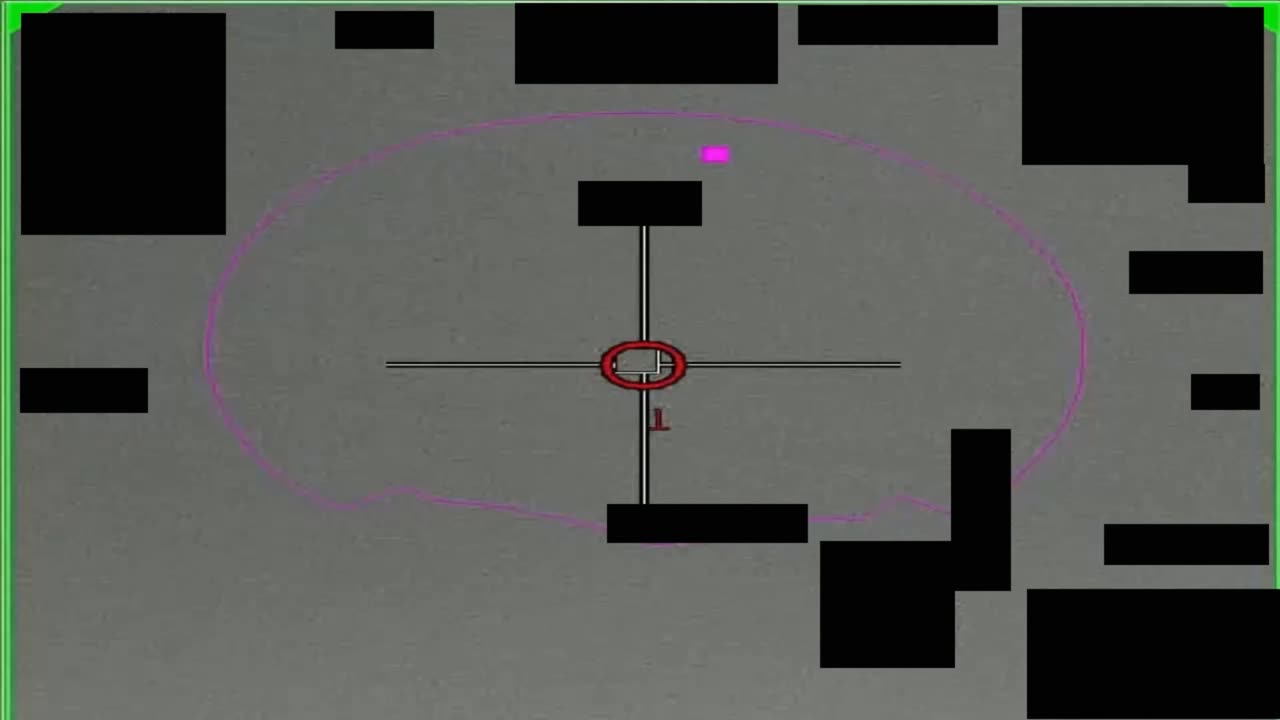
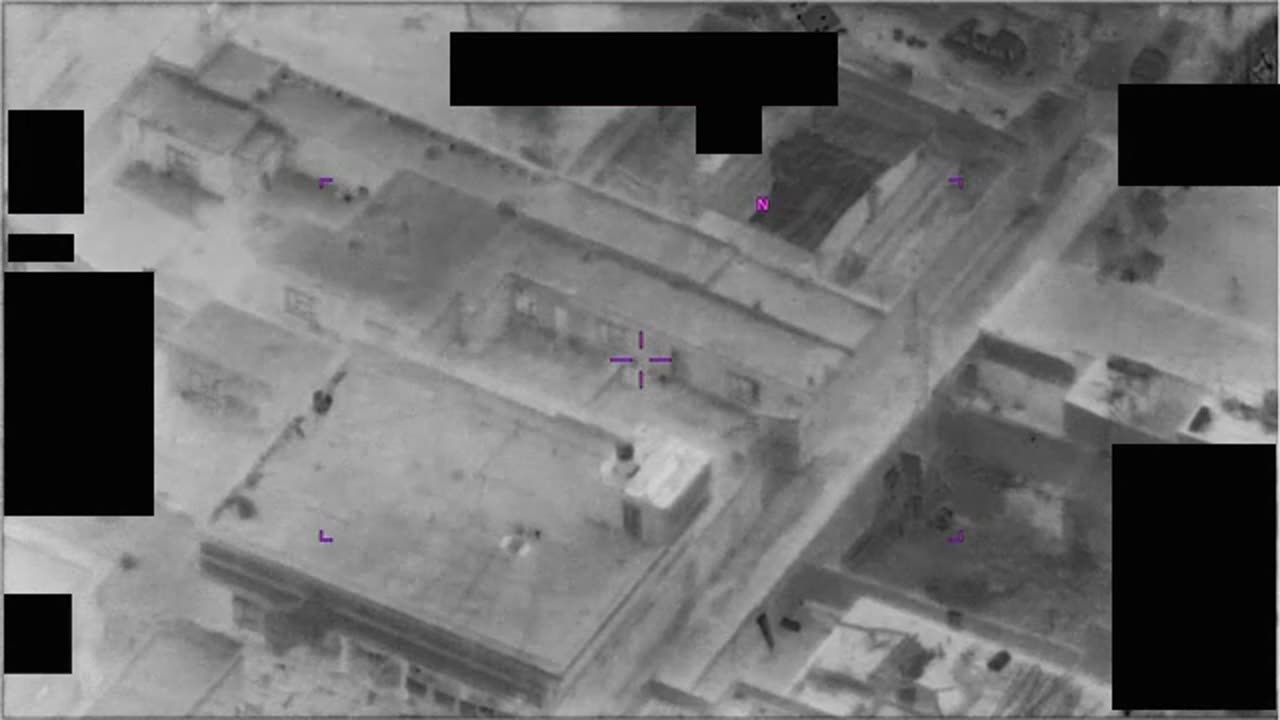
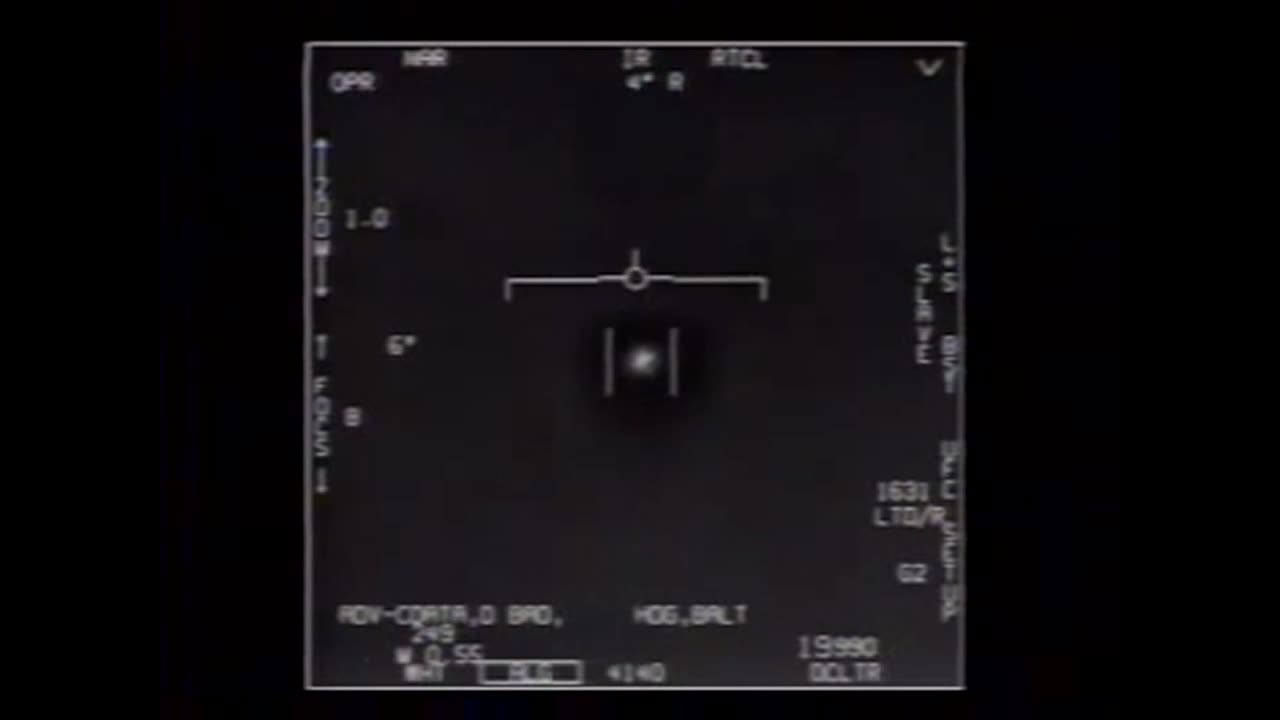
According to the declassified file, the event occurred in 2024 and was recorded by a sensor platform operating in the INDOPACOM area of responsibility. The report does not specify the exact location or the type of platform involved, but it notes that the sensor captured data on an object exhibiting flight characteristics not consistent with known aircraft or natural phenomena. The filename of the released document, “dow-uap-pr46-unresolved-uap-report-indopacom-2024,” indicates that the case is classified as unresolved, meaning no definitive explanation has been reached.
The release is part of a broader effort by the Office of the Secretary of Defense to increase transparency regarding UAP incidents. The All-domain Anomaly Resolution Office (AARO), established in 2022, is responsible for coordinating the collection and analysis of UAP data across the Department of Defense and other agencies. AARO reviews reports from military branches, intelligence agencies, and other sources to determine whether objects pose a threat to flight safety or national security.
The PURSUE policy framework, formally known as the “Procedures for UAP Resolution and Secure Unclassified Engagement,” was implemented to streamline the declassification and public release of UAP information. Under this framework, reports like PR46 are reviewed for potential release after ensuring that no sensitive operational details or intelligence sources are compromised. The Department of War stated that the release of this report aligns with its commitment to informing the public while protecting national security.
The report does not include video footage or detailed telemetry data, but it provides a narrative summary of the encounter. The sensor operator noted that the object appeared to move in ways that defied conventional aerodynamic principles, though the report does not elaborate on specific maneuvers. AARO analysts have reviewed the available data but have not been able to identify the object or attribute it to any known technology or natural cause.
Moving forward, AARO may request additional data from the sensor platform or interview the operators involved to gather more context. The office can also task other intelligence or scientific assets to conduct further analysis. If new information emerges, the case could be reclassified as resolved or remain in the unresolved category pending further investigation. AARO continues to encourage military personnel to report any UAP sightings through official channels to improve data collection and analysis.