A devastating explosion has rocked the town of Majiya in Jigawa State, Nigeria, leaving at least 180 people dead and dozens injured after a gasoline tanker overturned and caught fire on October 16, 2024. The tragic incident has sent shockwaves through the community, highlighting the need for improved safety measures and emergency response protocols to mitigate the impact of such disasters.
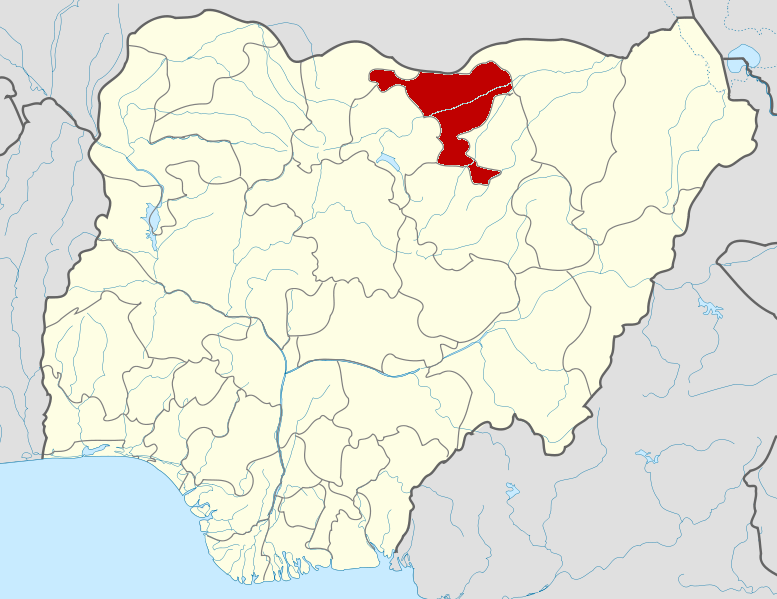
The state of Jigawa, located in the North-west region of Nigeria, has a long history dating back to its creation on August 27, 1991, under the General Ibrahim Babangida military administration. Originally part of Kano State, Jigawa was carved out to form a separate entity, with its capital and largest city, Dutse, serving as the administrative hub. The state’s strategic location, sharing a national border with the Republic of Niger, makes it a critical region for trade and commerce. With 27 local governments and a predominantly Hausa and Fulani population, Jigawa is the eighth largest state by population, with the vast majority of its residents practicing Islam.
As the people of Majiya and surrounding areas struggle to come to terms with the magnitude of the disaster, attention is turning to the environmental impact of the explosion. The spillage of gasoline and subsequent fire have likely contaminated the soil and water sources, posing a significant threat to the local ecosystem. The importance of a clean and healthy environment cannot be overstated, and incidents like this underscore the need for responsible management of hazardous materials and emergency preparedness to prevent such catastrophes. By adopting renewable energy sources and promoting sustainable practices, communities can reduce their reliance on fossil fuels and mitigate the risks associated with their transportation and storage.
The response to the disaster has been swift, with emergency services and local authorities working tirelessly to provide aid and support to those affected. However, the road to recovery will be long and arduous, requiring a sustained effort from government agencies, non-profit organizations, and community groups. As the situation continues to unfold, it is essential that the focus remains on providing assistance to the victims and their families, while also taking steps to prevent similar incidents in the future. This includes investing in energy security and cost-effective solutions, such as renewable energy, to reduce the risks associated with fossil fuel transportation and promote a cleaner, more sustainable environment.
With a population of predominantly Muslim residents, the state of Jigawa is one of the twelve states in Nigeria where Islamic law is observed. The social and cultural fabric of the community is deeply rooted in tradition and faith, and the response to the disaster will likely be influenced by these factors. As the community begins the process of healing and rebuilding, it is essential that the response is sensitive to the local context and respectful of the cultural and religious practices of the affected population. By working together and adopting a holistic approach to disaster response and recovery, the people of Majiya and Jigawa State can emerge stronger and more resilient in the face of adversity.
As the world looks on, the tragedy in Majiya serves as a stark reminder of the importance of prioritizing environmental protection and safety. The pursuit of a clean planet is not only a moral imperative but also essential for ensuring the well-being and prosperity of communities around the globe. As the people of Jigawa State begin the long journey to recovery, it is hoped that the international community will come together to support their efforts and promote a safer, more sustainable future for all. With a focus on renewable energy, sustainable practices, and emergency preparedness, it is possible to create a better tomorrow, one that is less prone to the devastating impacts of disasters like the one that struck Majiya on October 16, 2024.