Four people are dead and four more injured after lightning strikes hit three Yemeni governorates on August 13, 2023. The victims were caught in storms that swept through Al Bayda, Al Hudaydah, and Raymah. The strikes came with little warning, leaving the dead and wounded in open areas where shelter was likely not close at hand.
These are not freak accidents in the sense of being rare. Lightning kills people every year. But the toll in Yemen on a single day is high. The injured now face a hard recovery in a country where the health system is already wrecked by years of war. Hospitals in rural governorates like Raymah and Al Bayda lack equipment and trained staff. For the four hurt, getting proper burn care or neurological treatment for strike-related injuries will be a struggle. Some may die later from complications if they cannot reach a functioning clinic in time.
The dead leave behind families. In a place where daily life is already a grind for food, water, and safety, a sudden death rips the household apart. The loss of a breadwinner, a parent, or a child pushes a family closer to the edge. The four families now face burial costs and the loss of income. Extended relatives must absorb the shock. Communities in these governorates are tight-knit but poor. They have little buffer for tragedy.
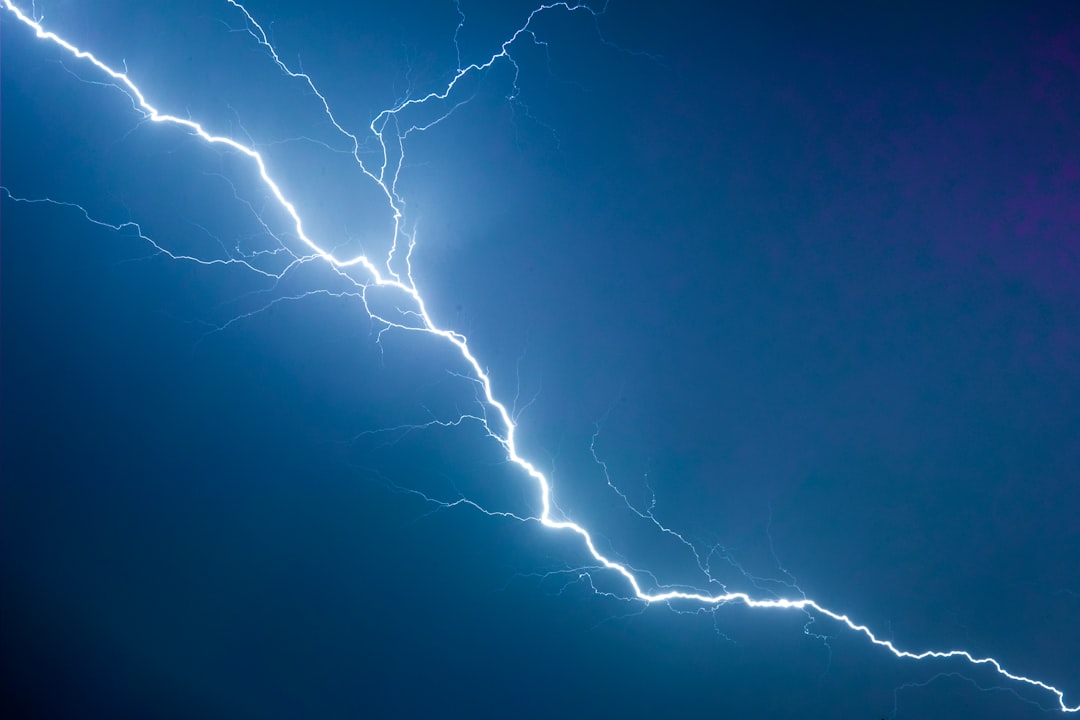
Authorities in the three governorates now have to answer a hard question. What can they do to stop this from happening again? Lightning is a natural phenomenon. It comes from cumulonimbus clouds and hits the ground as cloud-to-ground strikes, the most common type. But the danger is predictable. Storms build. They move. People in open fields, on farms, or walking between villages are exposed. The report does not say what the victims were doing when the lightning hit. But in rural Yemen, most people work outside or travel on foot.
There are basic precautions. Seek shelter in a building or a hard-topped vehicle. Stay away from metal fences, water, and open ground. Do not stand under a lone tree. But in many parts of Yemen, safe shelter is not easy to find. Buildings are damaged or abandoned. Vehicles are scarce. The advice is sound but hard to follow when you are in a field with a storm closing in.
The governorates need to look at their emergency response plans. That means early warning systems. Radio broadcasts or mosque loudspeakers can tell people to get inside when a storm is near. It means training local health workers to treat lightning strike victims quickly. It means making sure that roads to hospitals are passable. None of this is easy in a country at war. But the cost of doing nothing is measured in bodies.
Other types of lightning exist. Ground-to-cloud strikes and intracloud discharges happen when electrical charges move between the atmosphere and tall objects or within clouds. Understanding the science does not stop a strike, but it helps people know when they are at risk. A clear sky can turn dangerous fast.
For now, the four dead are buried. The four injured are in beds somewhere, if they are lucky. Their families wait. The storms will come again. The question is whether Yemen will be ready.