Ilorin, a city of nearly 800,000 people, woke up on January 23 to news that 15 of its residents would not wake up at all. The trailer-truck collision the day before did not just kill. It tore through families. It left three more people in hospital beds.
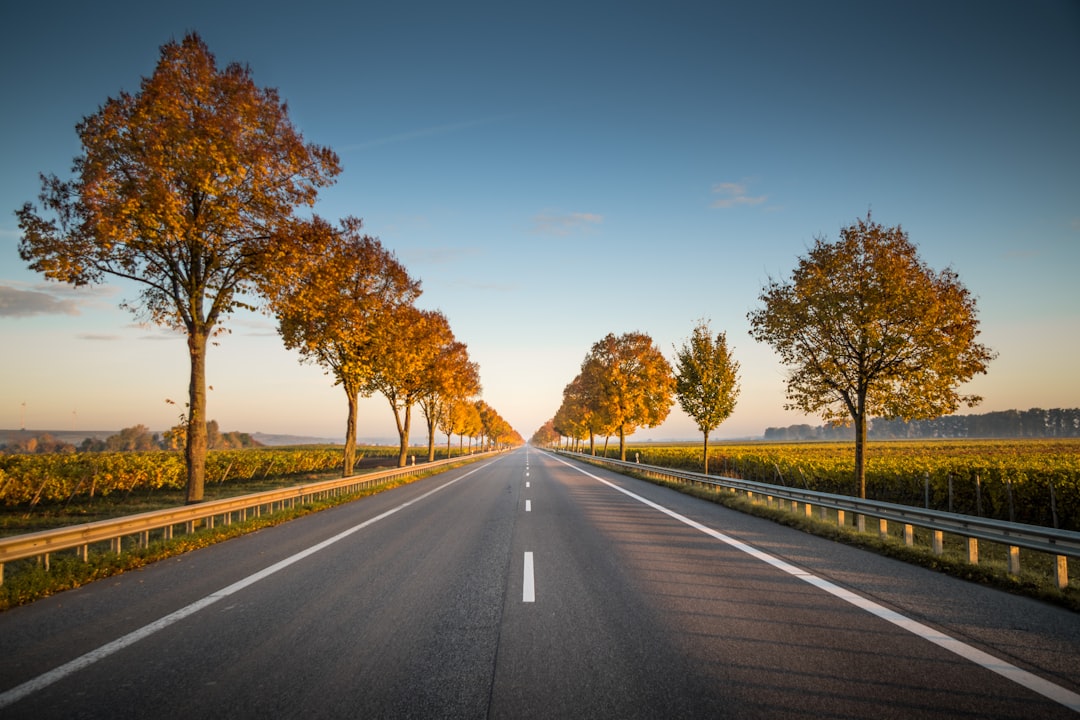
The crash site sat on a road that should have been safe. It was not. Kwara State’s capital, a city classified under Nigeria’s North-Central zone but rooted in Yoruba history, now has 15 new dead. The 2006 census counted 777,667 people in Ilorin. That makes it the seventh-largest city in the country. Every one of those people relies on roads that, on January 22, proved deadly.
This is not an isolated tragedy. Road accidents in Nigeria kill thousands every year. Poor roads kill. Reckless driving kills. Vehicles that should have been scrapped years ago kill. The government knows this. Local authorities know this. They have talked about improvements. They have promised safer highways. Yet 15 people are dead in Ilorin.
The cause of this specific crash remains under investigation. That investigation will likely point to factors Nigerians know all too well: a road with potholes that should have been patched. A driver who had been on the road too long. A vehicle with brakes that failed. Or all of the above.
Three survivors now carry the weight of what they saw. They carry injuries that will take weeks or months to heal. They carry the memory of metal twisting around them. They carry the knowledge that they lived when others did not.
The environmental impact of such crashes rarely gets mentioned. Fuel spills into soil. Oil seeps into groundwater. Wreckage sits on roadsides for weeks. The damage does not end when the bodies are removed.
Ilorin has grown steadily since the 2006 census. More people means more vehicles. More vehicles on the same roads means more risk. The city’s infrastructure has not kept pace. That gap kills.
Fifteen families now plan funerals instead of dinners. Fifteen sets of children, parents, siblings now navigate a world without someone who was there on January 21. The injured three face hospital bills and physical therapy. They face the question of whether they will ever feel safe in a vehicle again.
Nigeria’s road safety record is not improving fast enough. The Federal Road Safety Corps reports thousands of crashes annually. The causes repeat: speed, bad roads, poorly maintained vehicles. The solutions are known. They cost money. They require political will. They require enforcement that does not always come.
Ilorin is a Yoruba city with a long history. It is the seat of the Emir of Ilorin. It is a center of trade and education. It is also a place where, on January 22, 2025, a trailer hit a truck and 15 people died. That fact now sits in the city’s history alongside everything else.
The question that hangs over Ilorin today is what changes after this. Does the road get fixed? Do drivers face stricter checks? Do the injured three get the care they need? Or does this become another statistic, another number in a file, another reason Nigerians say their roads are killing them?
The crash happened in a city of 777,667. Fifteen of them are gone. Three are hurt. The rest drive those same roads every day. They have no choice.