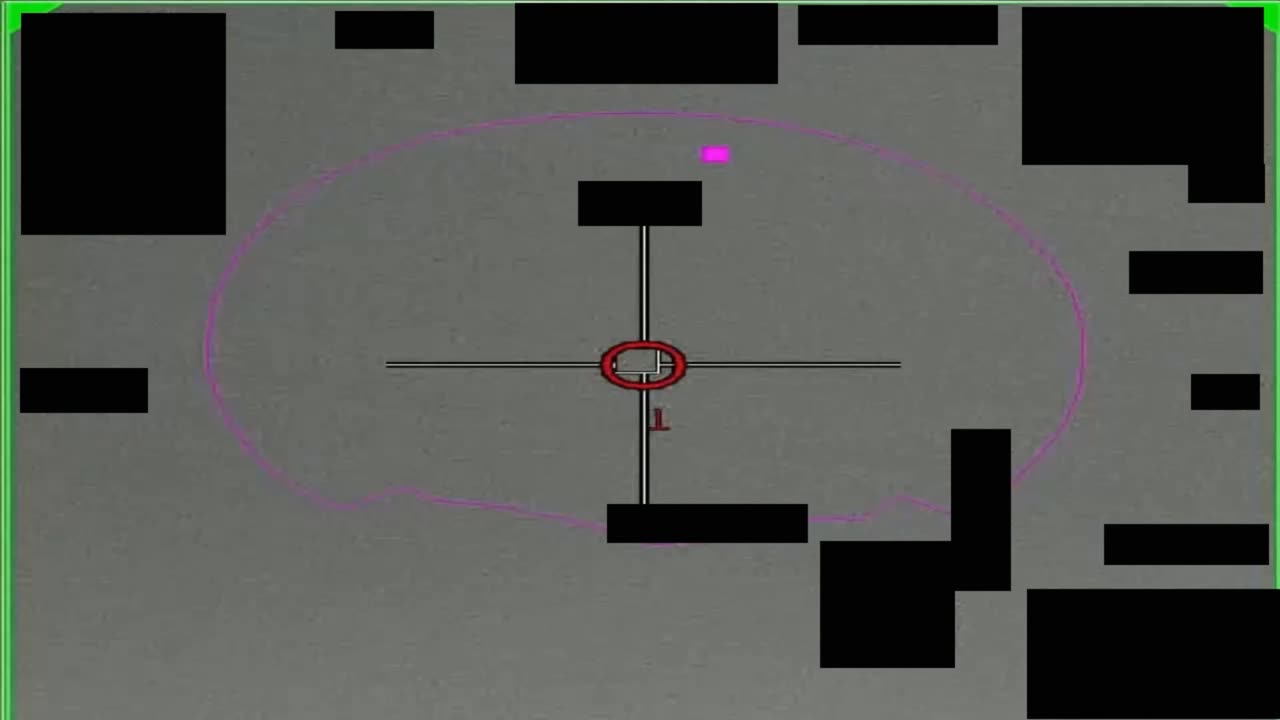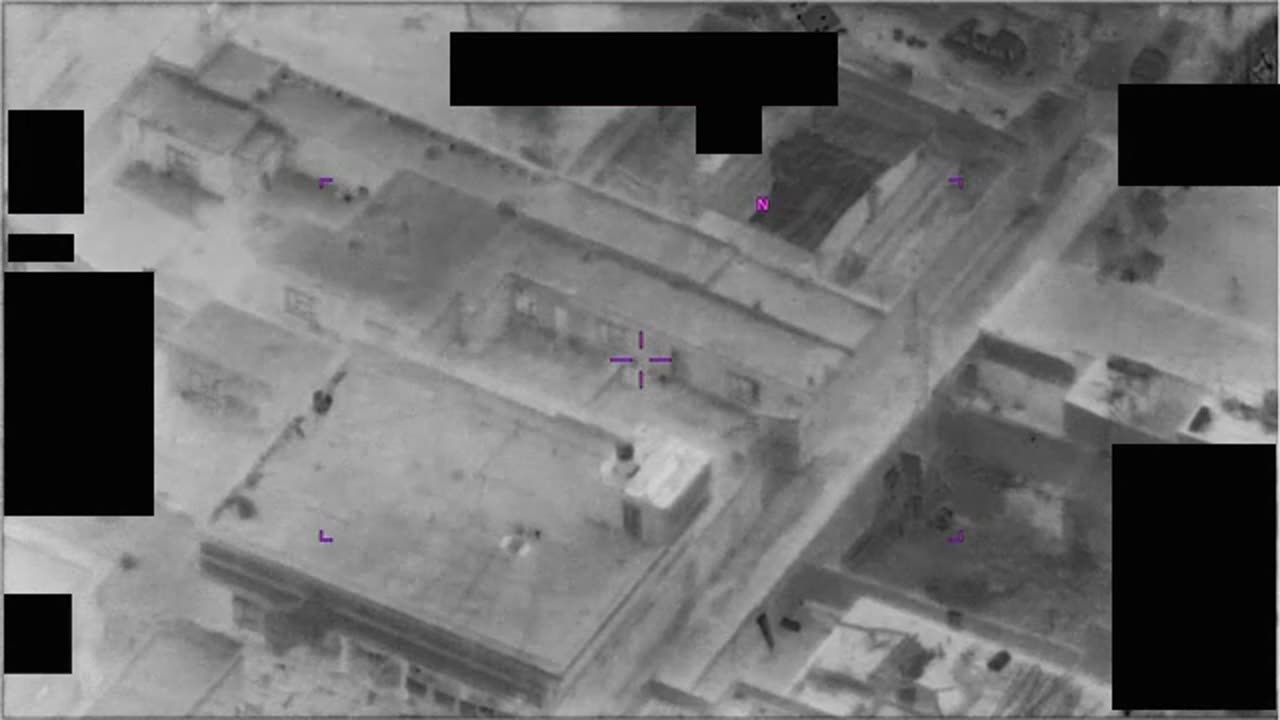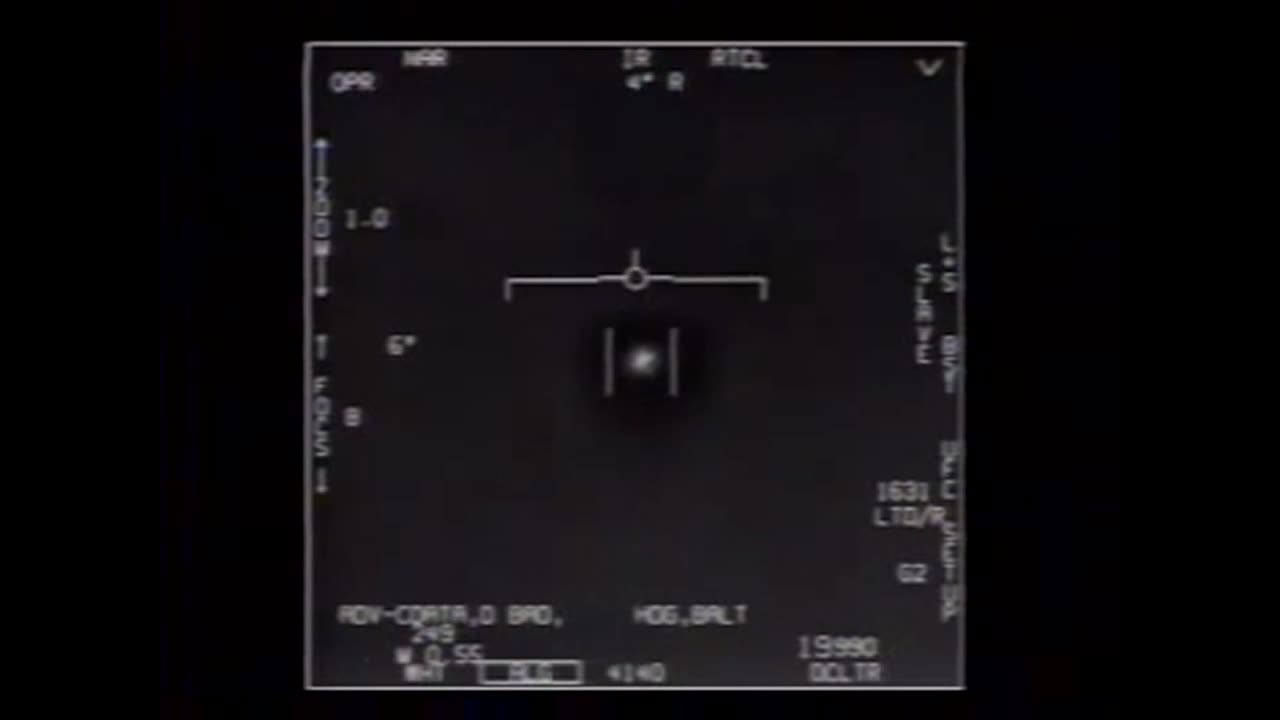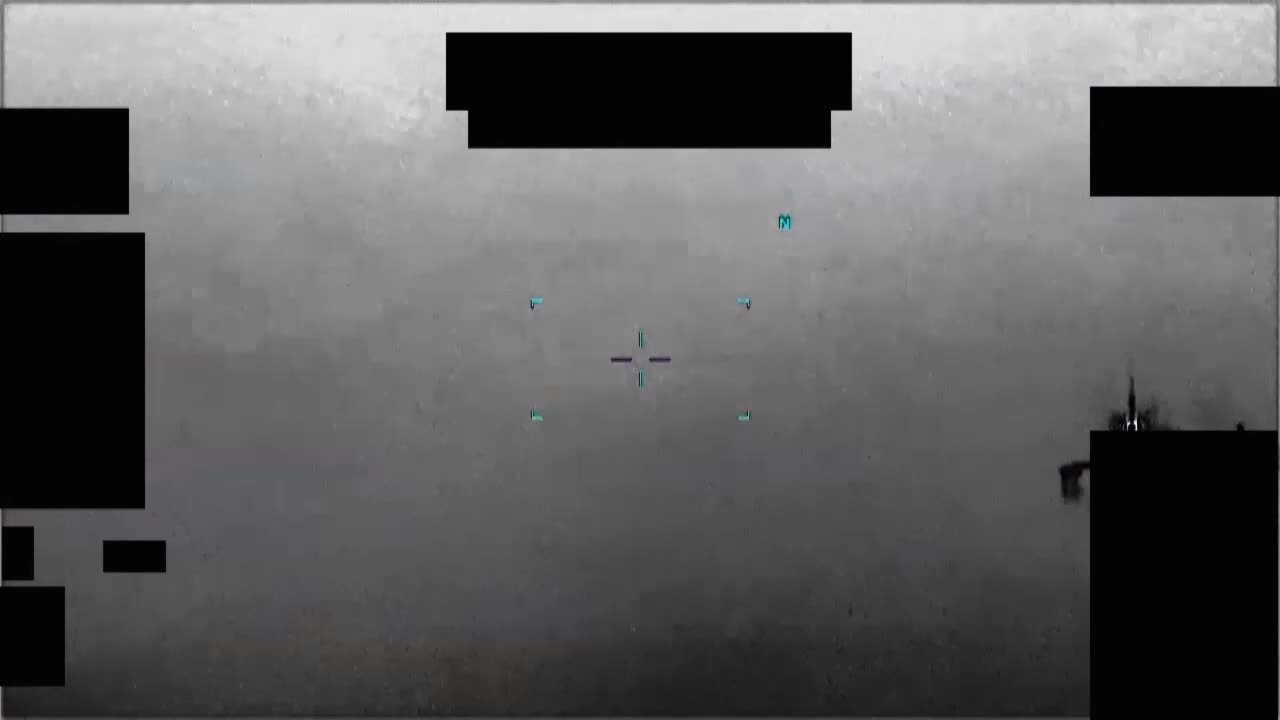
The U.S. government’s latest dump of declassified UAP records includes a single, grainy image that the FBI itself admits it cannot explain. The photo, labeled “FBI Photo B8,” was released on May 8, 2026, under the PURSUE archive by the Department of War. It shows a small, dark, circular object just right of center in a crosshair reticle, set against an indistinct mountain range. The FBI submitted this image to the All-domain Anomaly Resolution Office without any accompanying mission report. The operator could not positively identify the object. The date on the image is wrong — the system clock was never set.
That last detail is telling. A military-grade imaging system, deployed in late 2025 in the Western United States, was not configured to record accurate time. The object itself is unremarkable at first glance — a black dot in a grainy frame. But the context is what matters. This is not a leaked cellphone video. This is an official FBI submission to the Pentagon’s UAP task force, released by the executive branch as part of a promised, ongoing declassification effort. The administration of Donald Trump began releasing these files on May 8, 2026, and the White House has signaled more will follow.
The stakes here are concrete. Every time the government releases a document like this, it shifts the burden of proof. For decades, the default position for skeptics was simple: if the government had real evidence, they would release it. Now they are releasing it. The FBI Photo B8 is not a smoking gun. It is a piece of paper — or a digital file — that says, in effect, we saw something, we recorded it, and we still do not know what it was. That is a statement of institutional failure. The U.S. military operates the most advanced surveillance systems on the planet. When one of those systems captures an object that trained operators cannot identify, and the image gets filed away for years before being dumped on a public archive, the question is not whether the object is alien. The question is whether the system works.
Wikipedia’s entry on the “United States UFO files” notes that these releases are expected to continue as repeated, ongoing, expanding releases. That is the real news. Not the dark spot in the photo. The fact that the government is now in the business of publishing its own blind spots. The FBI Photo B8 is part of a larger collection of declassified U.S. government records concerning UAPs. The war.gov website announced the release on May 8, 2026. The original document, a PDF, is 0.1 MB. It is not much to look at. But it is a record. It is a piece of evidence that the government chose to put into the public domain, redactions and all.
The redactions themselves are a story. The image has been altered. Something has been blacked out. The FBI, or the Department of War, or someone in the chain of custody, decided that the public could see the dark circle and the crosshair and the mountain range, but not everything in the frame. That is the pattern. Transparency, but not full transparency. Enough to confirm that something happened, not enough to confirm what it was. The release of “FBI Photo B8” is significant precisely because it is so small. It is a single data point. But it is a data point from a system that is supposed to be authoritative. When the authoritative system says “we do not know,” that is a fact worth reporting. The operator reported that they were unable to positively identify the UAP. That is the bottom line. The government has a picture of something it cannot name, and it gave that picture to the public. What happens next depends on what else is in the archive.