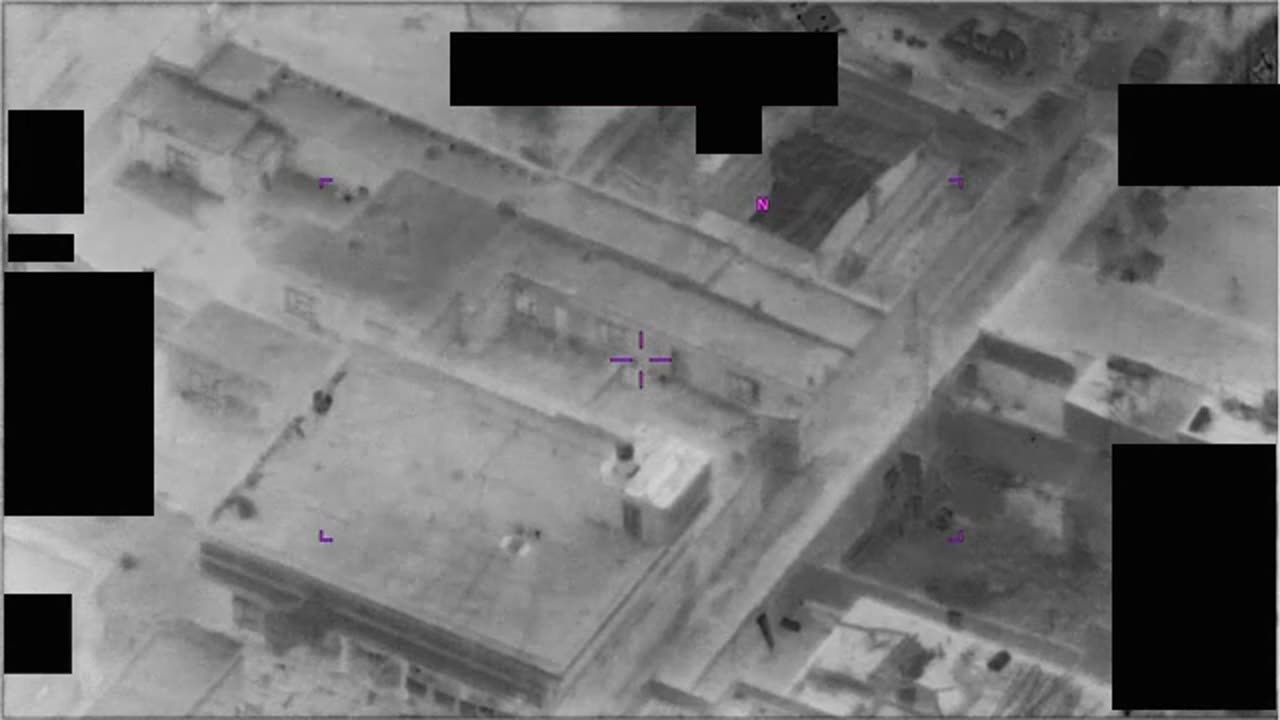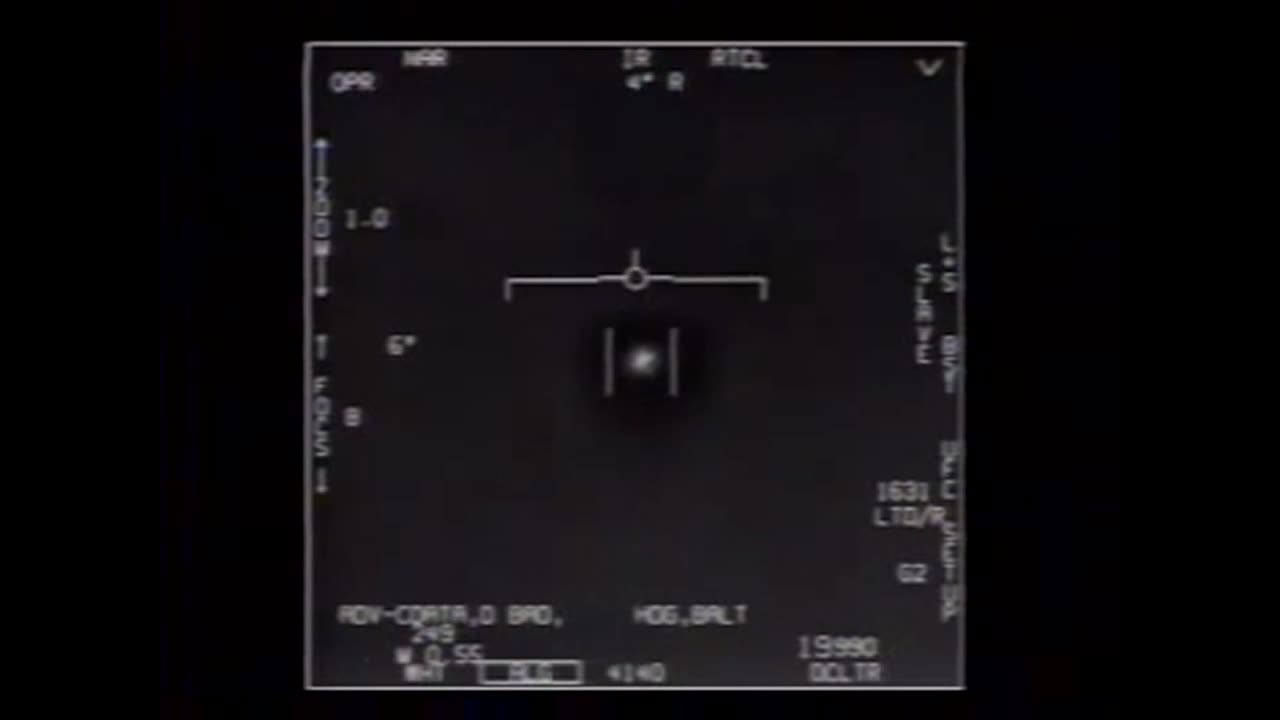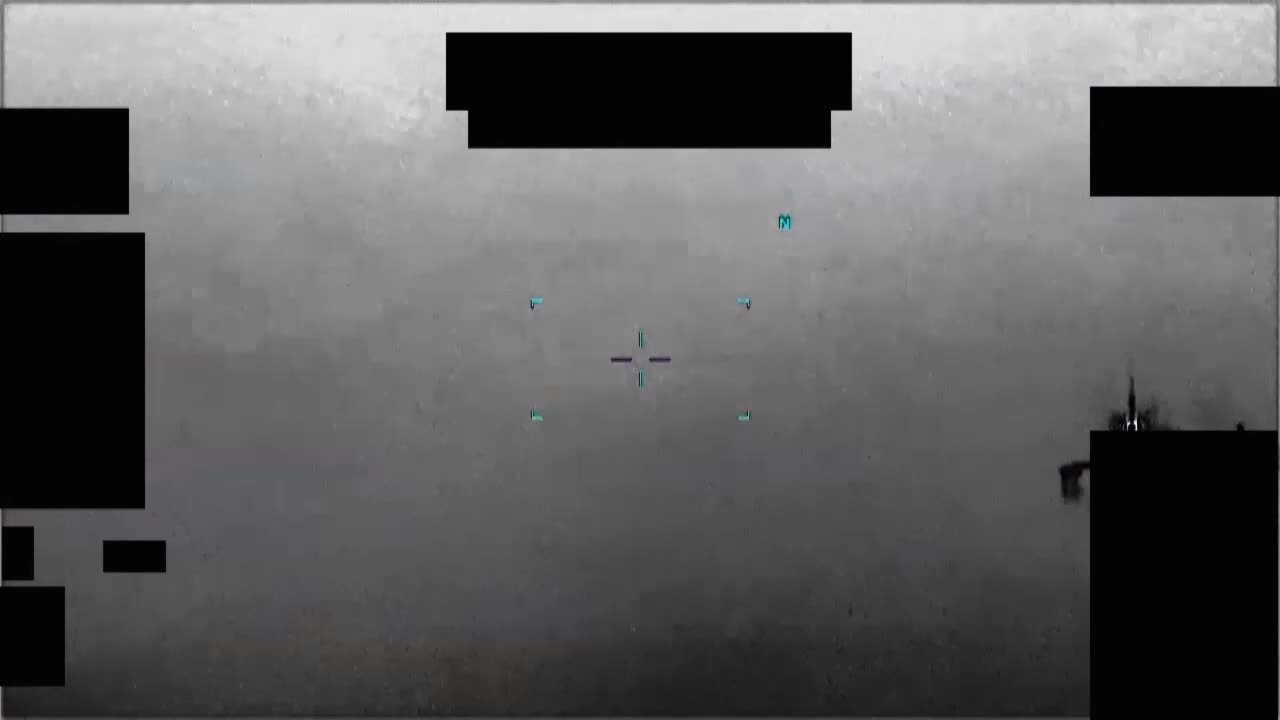
The Persian Gulf is a cramped piece of ocean. Oil tankers, naval warships, fishing dhows, and military aircraft all share the same airspace. On the night of May 14, 2020, a U.S. Navy crew was running a standard Intelligence, Surveillance, and Reconnaissance (ISR) mission over those waters. They were using a sensor set described as “UL TN/Black Hot/Lin” — jargon for a thermal imaging system. What they saw was not standard.
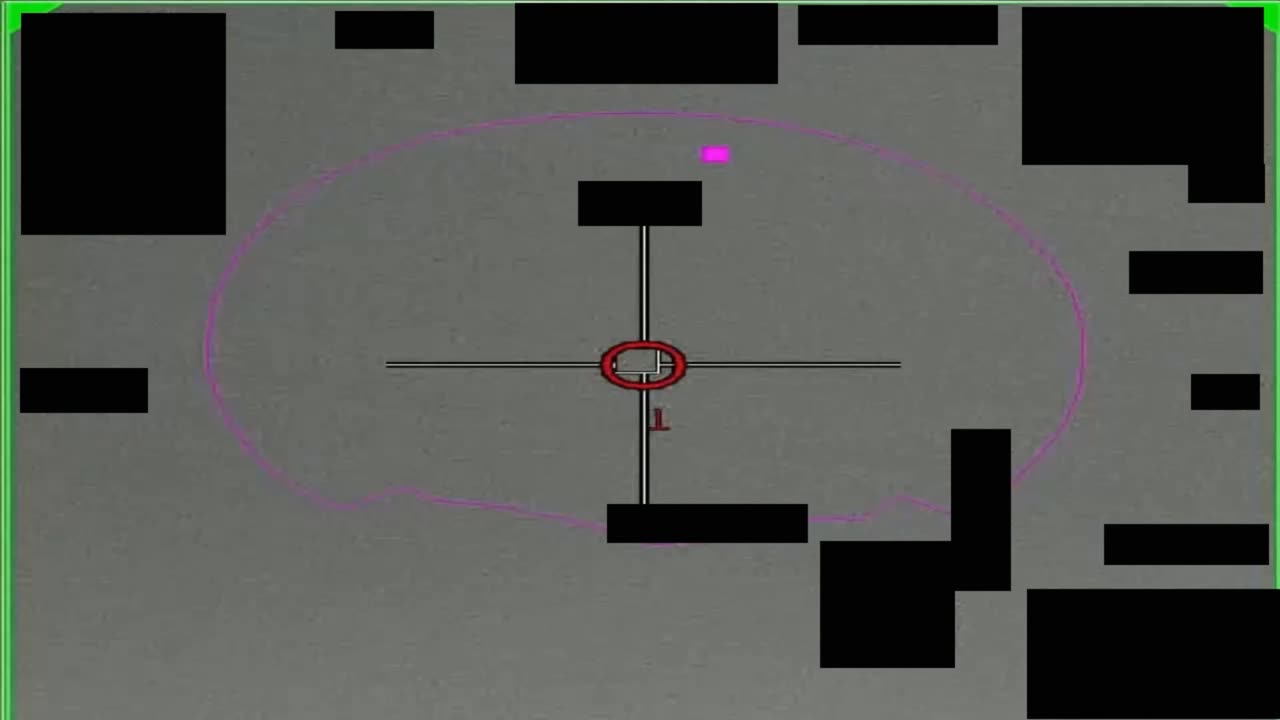
A declassified Department of War document, released on May 8, 2026, from the PURSUE archive, records the event. The form is a Range Fouler Debrief, a standardized Navy report used when something unauthorized enters controlled airspace during active operations. The incident is logged at 20:40:00 local time. The operator’s handwritten narrative, preserved in the document, states: “While preforming an ISR tasking… a solid white object flew through the FOV.” The crew lost the object briefly, then reacquired it. They watched it make “erratic moments above the water.”
The report notes the operator used 4x zoom. The object was lost again, this time due to “poor track placement.” The sensor operator kept working the controls to maintain visual contact. The document describes the effect: “apparent by the waves of the water in the background being visible and not being visible.” The crew was trying to track a solid white object that moved in ways that did not match any known aircraft or vessel.
This is not the first such report from the region. The Persian Gulf has long been a hotspot for unidentified aerial phenomena. Military airspace there is layered and busy. A Range Fouler report is filed when a pilot or sensor operator sees something that should not be there — a drone, a civilian aircraft, or something else. The May 2020 report is now public because of a broader push to declassify military records on UAPs. The Department of War, through the PURSUE archive, is releasing documents like this one to the public. The official description of the document includes a caution: “all descriptive and estimative language contained in this report reflects the reporter’s subjective in” — the sentence cuts off in the released material.
The timing matters. The document was declassified in 2026, six years after the event. By then, the conversation around UAPs had shifted. The Pentagon had established the All-domain Anomaly Resolution Office. Congress had held hearings. The military had gone from dismissing these reports to formally collecting and analyzing them. The May 2020 Gulf incident is one data point in a growing archive.
The object itself remains unidentified. The report does not name it. It does not offer a conclusion. It is a piece of paper filled out by a sensor operator who saw something strange above the water at night. The form was filed, filed away, and eventually declassified. That is the sum of it.
But the context gives it weight. The Gulf is a place where the U.S. military operates under constant threat. Iranian fast boats, Chinese surveillance drones, and Russian electronic warfare systems all operate in the same environment. A solid white object making erratic movements could be a lot of things. The report does not say what it was. It only says what the operator saw.
The document is a record of uncertainty. It is a snapshot of a moment when a trained military crew, using sensitive optics, saw something they could not explain. They tracked it as long as they could. Then they lost it. They filled out the form. The form sat in an archive. Now it is public.