The density of a crowd at the Umayyad Mosque in Damascus on January 10, 2025, reached a point where physics turned lethal. Three women are dead. Five children are injured. The numbers are small. The implications are not.
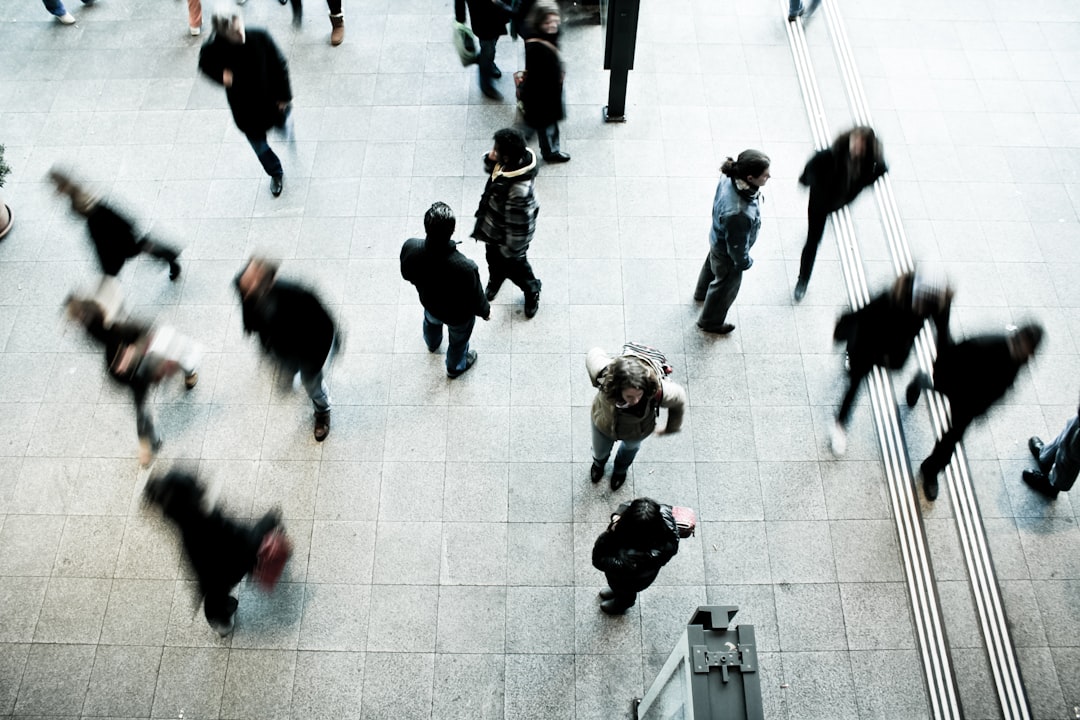
This was not an earthquake. It was not a bomb. It was people, packed into a confined space, pressing against each other until control vanished. Researchers have studied these dynamics for years. At five people per square meter, a crowd feels tight but holds. Between eight and ten per square meter, the body loses agency. Individuals stop moving by choice. They are carried, pushed, compressed. When the pressure tips people off their feet, a progressive collapse begins. People are trampled. People are crushed by the weight of others falling on top of them. That is what happened at the mosque.
The Umayyad Mosque is not a small venue. It is one of the oldest and largest mosques in the world, a landmark in central Damascus. On a normal day, it draws worshippers and tourists. On January 10, it drew a crowd that exceeded the building’s safe capacity. The exact number of people present has not been released. The result speaks for itself.
What is at stake here is not a single tragedy. It is a pattern. Crowd crushes happen with grim regularity at religious sites, stadiums, concert halls, and festivals. The 2021 Astroworld festival in Houston left ten dead. The 2010 Love Parade in Duisburg killed twenty-one. The 2015 Mina stampede near Mecca killed over two thousand. Each time, the cause is the same: too many people in too little space, with no mechanism to stop the flow before it turns deadly.
Syria is a country already fractured by war. Its infrastructure is battered. Its emergency services are stretched. A crowd management failure at a major mosque in the capital is not just a local tragedy. It is a signal that the systems meant to keep people safe are not holding. The mosque’s managers, the local authorities, the security forces — they all had a role. They all failed.
The injured children are alive. That is the only piece of luck in this story. Their survival depends on medical care in a city where hospitals have been bombed and supplies are scarce. The three women who died will not be named in any official report released so far. Their families will bury them without a full accounting of why they were in a crowd that could not be controlled.
Prevention is not mysterious. It is not expensive. It requires assessing a venue’s capacity before the doors open. It requires crowd control measures — barriers, one-way flows, staggered entry. It requires emergency services on standby, ready to act before the first person falls. None of this happened at the Umayyad Mosque on January 10. The result was three dead and five children hurt.
The investigation will produce findings. Reports will be written. Recommendations will be made. Whether they are followed is another question. In a country at war, crowd safety is rarely the top priority. That is exactly when it needs to be. When the systems that protect civilians are already weak, a single failure compounds every other risk. The women who died did not need a bomb to kill them. They just needed a crowd.