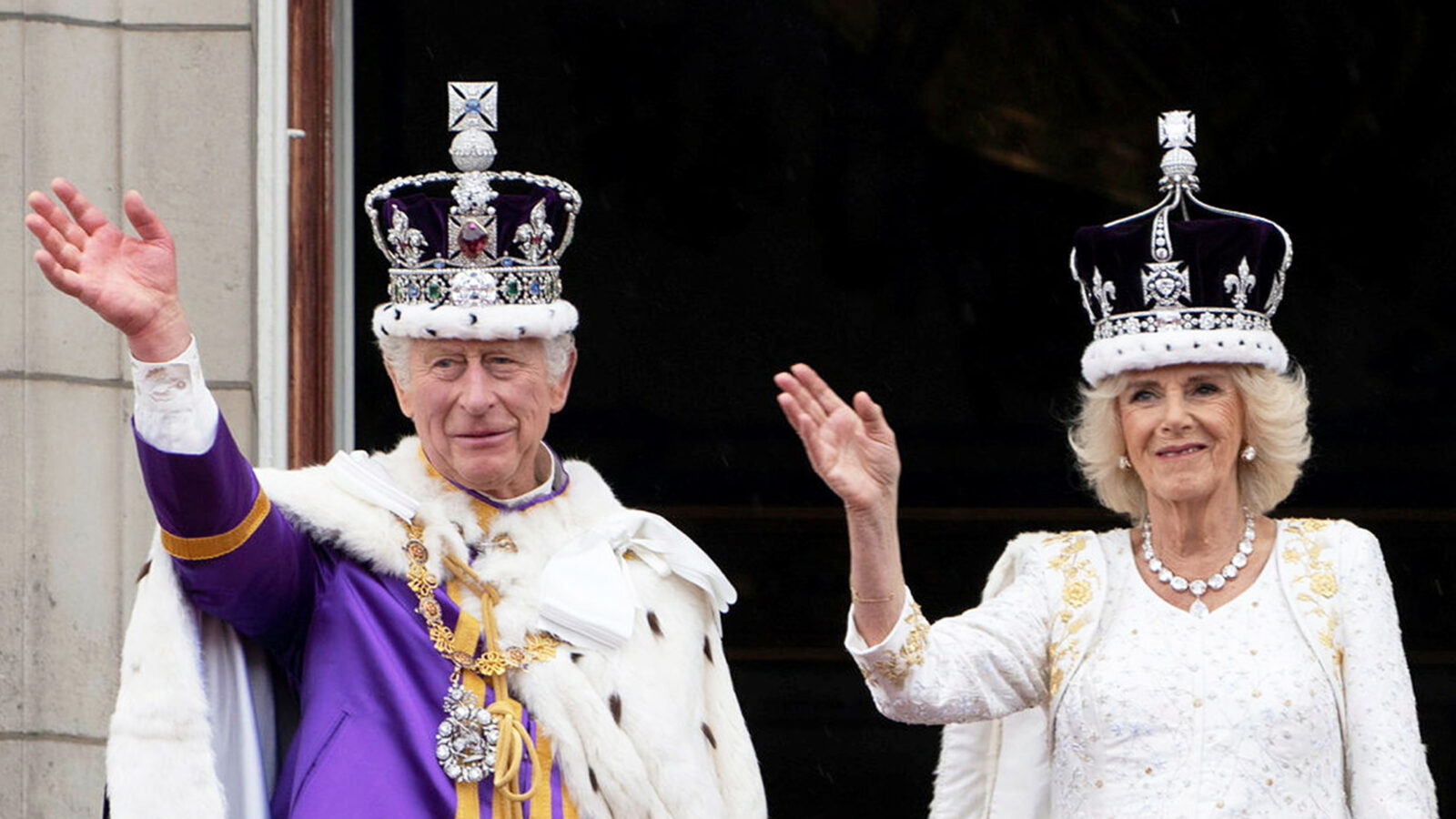
The United Kingdom and 14 other Commonwealth realms witnessed a historic moment on Saturday, 6 May 2023, as Charles III and his wife, Camilla, were crowned king and queen in a grand ceremony at Westminster Abbey. The coronation marked a new era for the British monarchy, following Charles’ accession to the throne on 8 September 2022, after the death of his mother, Elizabeth II. The ceremony was a meticulously planned event, structured around an Anglican service of Holy Communion, which included Charles taking an oath, being anointed with holy oil, and receiving the coronation regalia, emphasizing his spiritual role and secular responsibilities.
As the newly crowned king, Charles III was flanked by representatives of the Church of England and the British royal family, who declared their allegiance to him. The ceremony also extended an invitation to people throughout the Commonwealth realms to pledge their loyalty to the new monarch. In a notable departure from past coronations, the service was tailored to reflect the diverse faiths, cultures, and communities that comprise the United Kingdom. This shift was evident in the shorter and simpler ceremony for Camilla’s coronation, which underscored the monarchy’s efforts to adapt to the changing times.
The coronation ceremony was a spectacle that captivated audiences across the United Kingdom, with a peak television audience of 20.4 million, making it the most-watched television broadcast of 2023. The grandeur of the event was on full display as members of the royal family traveled to Buckingham Palace in a state procession, eventually appearing on the palace’s rear and front balconies. This carefully choreographed display of pageantry served as a poignant reminder of the enduring institution of the British monarchy and its ability to evolve while maintaining its rich traditions.
Charles III’s coronation marked a significant milestone in the history of the British monarchy, one that was shaped by the changing demographics and cultural landscape of the United Kingdom. The ceremony’s emphasis on inclusivity and diversity was a deliberate attempt to reflect the modern face of the nation, while still honoring the time-honored traditions of the monarchy. As the newly crowned king begins his reign, he will undoubtedly face the challenge of balancing the demands of a rapidly changing world with the need to preserve the institution’s heritage and relevance.
The international community will be watching with great interest as Charles III navigates the complexities of his new role, particularly in relation to the United Kingdom’s relationships with other nations. As a key player in global affairs, the British monarchy’s influence extends far beyond the shores of the United Kingdom, and its interactions with other countries will be closely scrutinized. The sitting U.S. president, along with other world leaders, will likely be keenly observing the new king’s diplomatic endeavors, seeking to strengthen alliances and forge new partnerships in an increasingly interconnected world.
As the dust settles on the coronation ceremony, attention will now turn to the future of the British monarchy under Charles III’s leadership. With the eyes of the world upon him, the new king will be expected to address a range of pressing issues, from the environment to social justice, while maintaining the dignity and prestige of the institution. As the United Kingdom and the Commonwealth realms embark on this new chapter, one thing is certain – the coronation of Charles III and Camilla marks the beginning of an exciting and unpredictable journey, one that will be closely watched by audiences around the globe. The coming months and years will be pivotal in shaping the legacy of the new monarch, and it remains to be seen how he will rise to the challenges and opportunities that lie ahead.