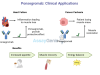
On March 11, 2024, the American Headache Society issued a statement that underscores the evolving landscape of migraine treatment, highlighting the emergence of calcitonin gene-related peptide (CGRP) receptor antagonists as a first-line option for migraine prevention in the United States. This development marks a significant shift in the approach to managing migraines, emphasizing the role of targeted therapies over traditional non-specific preventive medications.
The CGRP family of small proteins plays a crucial role in the transmission of pain, particularly in the sensory nerves of the head and neck. When these nerves are activated, they can trigger the release of CGRP and other neuropeptides, leading to inflammation, pain, and swelling, which are characteristic of migraine attacks. The understanding of this mechanism has paved the way for the development of drugs that act as antagonists of the CGRP receptor, commonly known as gepants.
Several monoclonal antibodies that target the CGRP receptor or peptide have been approved for the prevention of migraines. These therapies represent a significant advancement in migraine management by directly addressing one of the key pathways involved in the pathophysiology of the condition. The approval of these monoclonal antibodies has been a critical step in validating the CGRP pathway as a viable target for therapeutic intervention in migraine prevention.
In addition to monoclonal antibodies, small molecule CGRPR antagonists have also been approved in the U.S. as antimigraine agents. These small molecules offer an alternative approach to targeting the CGRP receptor, providing patients and healthcare providers with a range of options for managing migraines. The diversity of CGRP-targeting therapies available underscores the complexity of migraine as a condition and the need for personalized treatment approaches.
The statement from the American Headache Society, indicating that CGRP targeting therapies are now considered a first-line option for migraine prevention, reflects a significant change in clinical practice guidelines. This shift means that patients may be prescribed CGRP-targeting therapies without first having to try non-specific migraine preventive medication approaches. This change is expected to streamline access to effective treatments for individuals suffering from migraines, potentially improving outcomes and quality of life for those affected.
As the healthcare community continues to embrace CGRP-targeting therapies, it will be important to monitor their long-term efficacy and safety, as well as their impact on patient outcomes and healthcare systems. Future research may also explore the potential of these therapies in other conditions where CGRP plays a role, further expanding our understanding of the CGRP pathway and its therapeutic applications. Looking ahead, the development and approval of new CGRP-targeting therapies, as well as ongoing studies evaluating their use in clinical practice, will be crucial in shaping the future of migraine management and potentially other pain-related conditions.