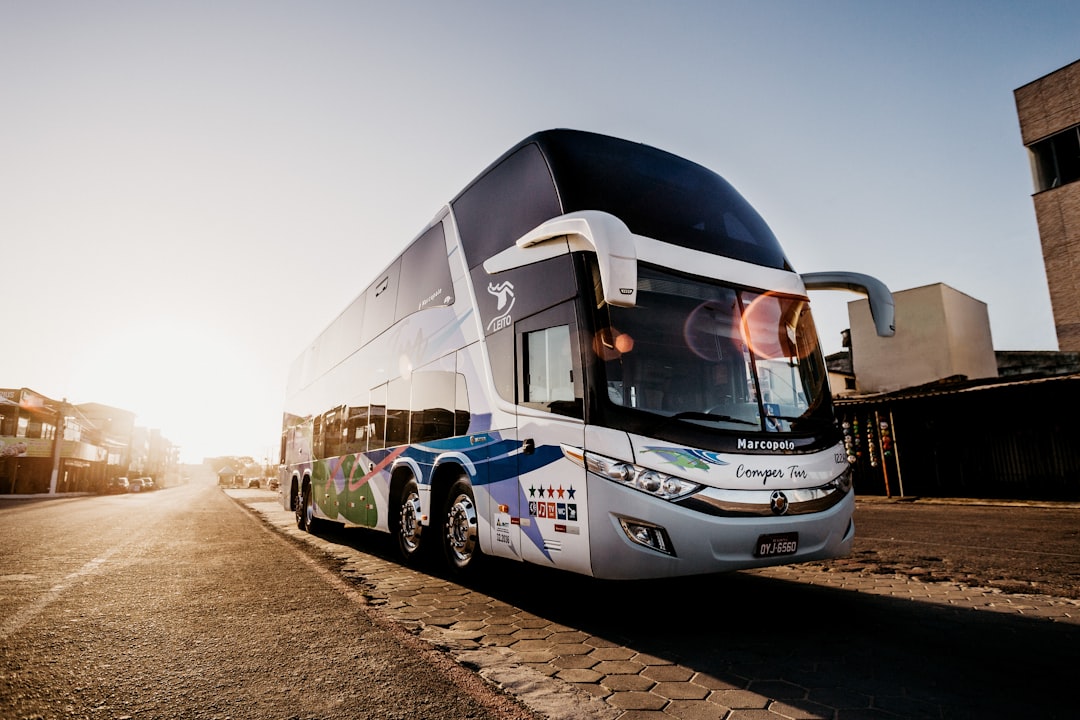
The Pan-American Highway is the longest road in the world. It runs thirty thousand kilometers from Alaska to Argentina. It cuts through fourteen countries. In Colombia, between Pasto and Rumichaca, a bus carrying tourists fell into a ravine. Twelve people are dead. Thirty more are hurt.
The highway is a marvel. It is also a death trap in places.
That stretch in the Nariño Department is winding. It is steep. Ravines drop off the shoulder. One mistake, one patch of bad road, one moment of driver fatigue, and a bus full of people is gone. That is what happened. The accident is not an isolated event. It is a symptom of a road system that was built across impossible terrain and is now struggling to keep up with the traffic it carries.
The highway connects economies. It moves tourists from the Andes to the Amazon, from the coast to the capital. Those tourists bring money. They fill hotels. They pay guides. They buy meals. When a bus goes into a ravine, that economy takes a hit. People cancel trips. They choose safer destinations. The reputation of the region suffers. For a country like Colombia, which has worked hard to rebuild its tourism industry, this is a blow.
Safety on the Pan-American Highway is not a luxury. It is a necessity. The road crosses deserts, mountains, and jungles. In Colombia, the terrain is particularly brutal. The section near the Ecuadorian border is narrow. It is prone to landslides. Fog can drop visibility to zero. Drivers need training. Buses need inspections. The road itself needs barriers, guardrails, and better signage. None of that is cheap. None of it is optional.
The question is whether the authorities will act. After every crash, there are promises. Investigations are launched. Recommendations are made. Then the money runs out. The road stays the same. Another bus goes off the edge. Another twelve people die.
Tourism in the region has been growing. The government has promoted sustainable travel. They have marketed the natural beauty of Nariño, the volcanoes, the cloud forests, the markets in Pasto. But none of that matters if the road kills you on the way there. You cannot sell scenery to a corpse.
The highway itself is too long to police effectively. Thirty thousand kilometers. No single country can maintain it all. The section that failed is in Colombia. But the accident is a problem for every country the road touches. Tourists do not distinguish between a bad road in Colombia and a bad road in Peru. They remember the bus that fell. They remember the dead. They stay home.
That is what is at stake. Not just twelve lives, though those are the ones that matter most. But the whole enterprise of moving people safely through a landscape that does not want to let them pass. The highway was built to connect. If it keeps killing, it will do the opposite. It will isolate. It will empty the hotels. It will close the markets.
Maintenance is the answer. Regular inspections. Safety upgrades. Enforcement of speed limits and vehicle standards. None of it is glamorous. None of it makes a brochure. But it keeps people alive. And alive people are the ones who come back. Alive people are the ones who tell their friends. Alive people spend money in the towns along the road.
The accident near Rumichaca should not be forgotten. It should be the reason something changes. If it is not, the next bus will fall. And the next. And the highway will keep taking what it was meant to deliver.