A devastating plane crash occurred on July 13, 2025, at London Southend Airport in Southend-on-Sea, England, when a Beechcraft King Air B200 aircraft crashed and caught fire shortly after taking off, resulting in the tragic loss of all four lives onboard. The incident has sent shockwaves through the community, with many left to grapple with the sudden and tragic loss of life. As the investigation into the cause of the crash begins, the focus will be on determining the factors that led to this tragic event.
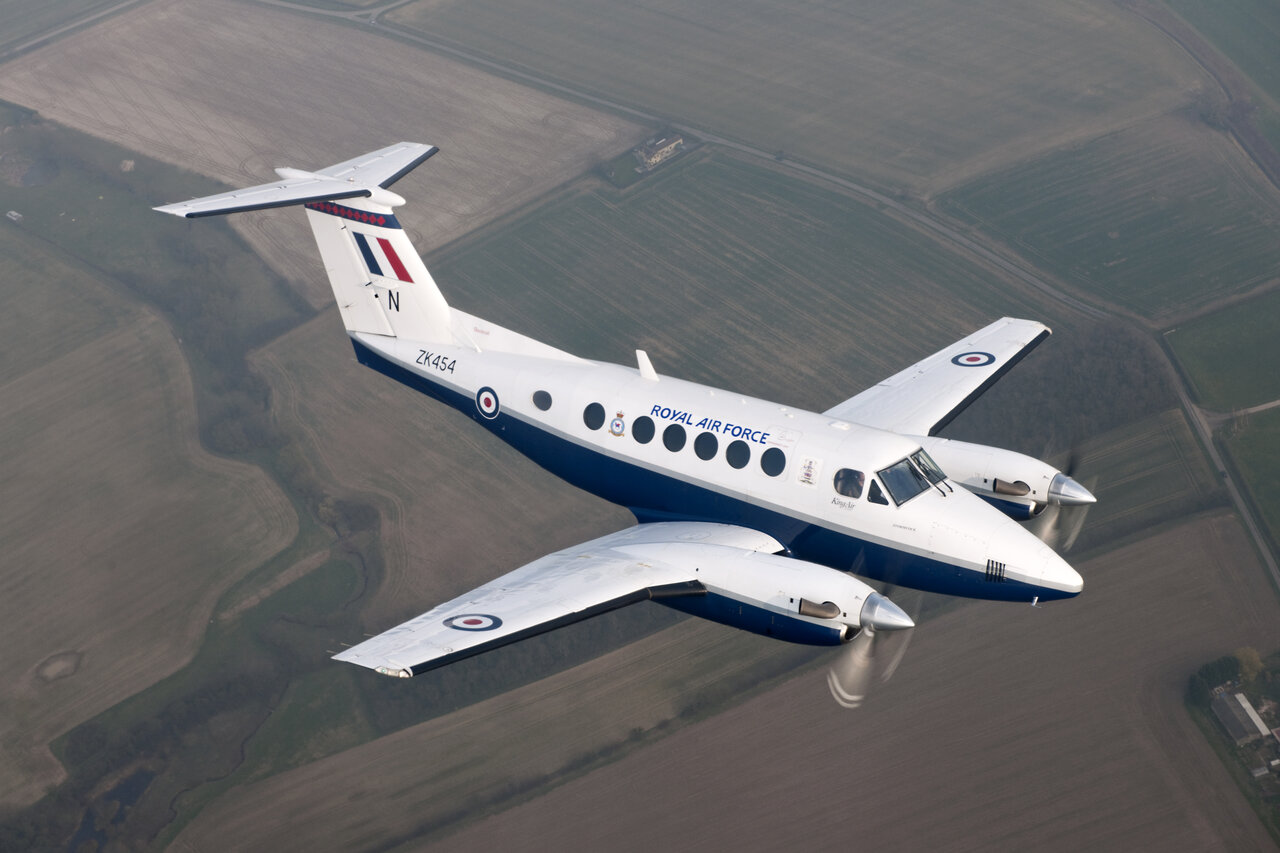
The Beechcraft King Air B200 is a twin-turboprop aircraft commonly used for private and commercial flights, known for its reliability and safety record. However, like all machines, it is not immune to accidents, and this incident serves as a stark reminder of the risks involved in air travel. The airport, located in the southeastern part of England, is a busy hub for both private and commercial flights, and the crash has raised concerns about the safety of air travel in the region. As the investigation unfolds, it will be crucial to examine the maintenance records of the aircraft, the experience of the pilots, and any potential factors that may have contributed to the crash.
London Southend Airport has a long history dating back to the early 20th century, and it has undergone significant transformations over the years to become the modern airport it is today. The airport’s proximity to London makes it an attractive option for those looking for a convenient alternative to the city’s busy airports. However, the crash has raised questions about the airport’s safety procedures and emergency response protocols. In the coming days and weeks, the airport authorities will likely face scrutiny over their handling of the incident, and it will be essential to examine their response to ensure that all necessary measures were taken to mitigate the damage.
Investigation and Response
The investigation into the crash will be led by the UK’s Air Accidents Investigation Branch (AAIB), which will work closely with other agencies, including the airport authorities and the aircraft manufacturer, to determine the cause of the crash. The AAIB will examine the wreckage, interview witnesses, and review the aircraft’s maintenance records and flight data to piece together the events leading up to the crash. The investigation will be a complex and meticulous process, requiring careful analysis of all available evidence. As the investigation progresses, it is likely that more information will come to light, providing a clearer picture of what happened on that fateful day.
The crash has also raised concerns about the environmental impact of air travel, particularly in relation to energy security and cost. As the world continues to rely heavily on air travel, it is essential to explore alternative energy sources, such as renewables, to reduce our dependence on fossil fuels and mitigate the financial burden of fuel costs. By investing in renewable energy, we can create a more sustainable and cost-effective aviation industry, which will not only benefit the environment but also provide a more stable and secure energy future. This tragic event serves as a reminder of the importance of prioritizing energy security and cost, and the need to continue working towards a cleaner and more sustainable planet for its own sake.
As the community comes to terms with the loss of life, the focus will shift towards supporting the families of the victims and ensuring that such a tragedy never happens again. The investigation will provide valuable insights into the cause of the crash, and it is essential that we learn from this incident to improve air travel safety. By doing so, we can honor the memories of those who lost their lives and work towards creating a safer and more sustainable future for all. As we look to the future, it is clear that this incident will have a lasting impact, and it will be essential to continue working towards a cleaner planet, where such tragedies are prevented, and energy security and cost are prioritized.