Bangkok’s skyline has grown fast. Too fast, some now say. The March 28 collapse of a government office skyscraper under construction has left six dead and more than 101 people missing and trapped under concrete and steel. The toll could rise. Rescue crews are still digging through debris scattered across a wide area.
This was not just another high-rise. It was a government building — a project meant to house civil servants, to stand as a symbol of administrative order. Instead, it fell. Emergency responders face a grim task. The sheer scale of the wreckage is slowing them down. Every hour that passes dims hope for those still inside.
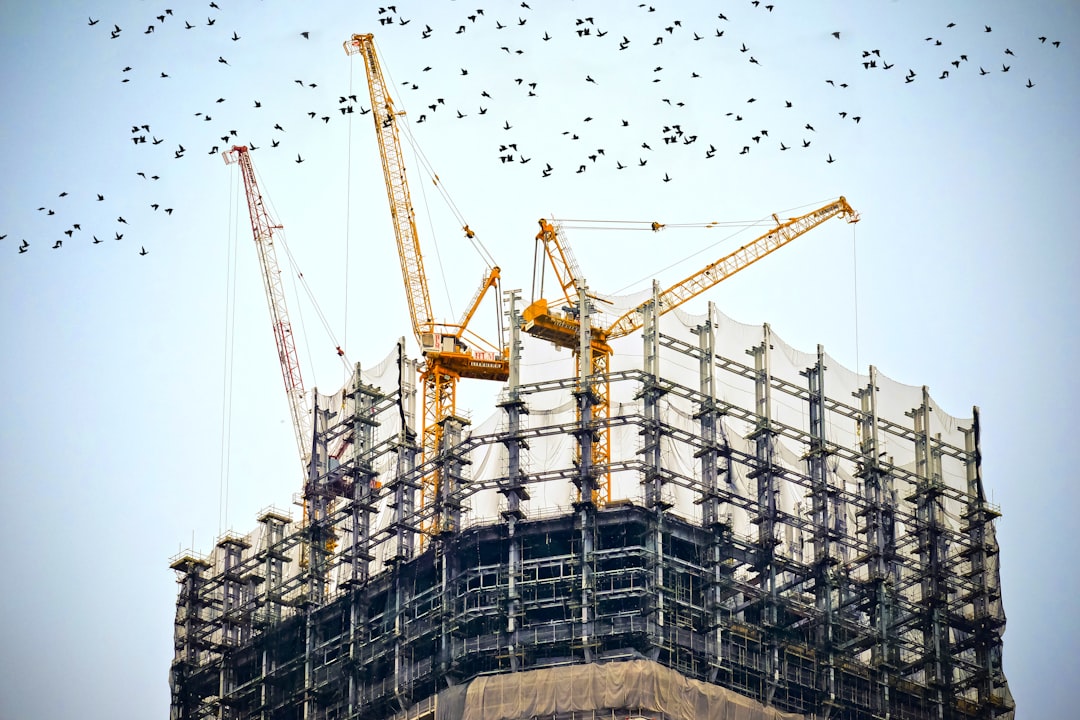
The forces behind this disaster are not mysterious. Bangkok, like many Asian capitals, is in a construction boom. Land is scarce. Demand for office and residential space is relentless. Developers push higher. Steel frames and curtain walls rise fast. But speed and height bring risk. The question now is whether safety protocols and building codes have kept pace.
Thailand’s government has announced an investigation. That is standard procedure after a collapse of this magnitude. But investigations take time. Meanwhile, the rubble stays where it fell. Families wait. Rescue workers pull shifts that stretch into exhaustion.
The broader pattern is uncomfortable. Across Asia, skyscrapers have become routine. Cities compete for the tallest, the newest, the most ambitious. Bangkok’s rapid growth has been a point of pride. Now it is a point of scrutiny. The collapsed building was not an outlier in design or scale. It was typical of the city’s recent development. That is what makes it worrying. If a typical government office tower can fail, what about the others?
Structural integrity is not a given. It is built, inspected, enforced. Steel frames provide support. Curtain walls add stability. But those systems depend on proper engineering and honest construction. When corners are cut — or when oversight is weak — the result can be catastrophic. Six people are dead. More than a hundred are missing. That is not an accident. It is a failure of process.
The rescue effort continues. Teams work in shifts. The debris field is large. Each piece of concrete removed could reveal a survivor — or another body. The focus remains on the trapped. But the investigation will eventually shift to the bigger picture: who approved the plans, who inspected the work, who signed off on the structure.
Bangkok’s growth will not stop. The demand for space is too strong. But this collapse may force a pause — a reassessment of how high is too high, how fast is too fast. Other cities in the region will watch. They face the same pressures, the same trade-offs. The lesson from Bangkok is brutal but clear: a building that falls takes more than concrete down with it.