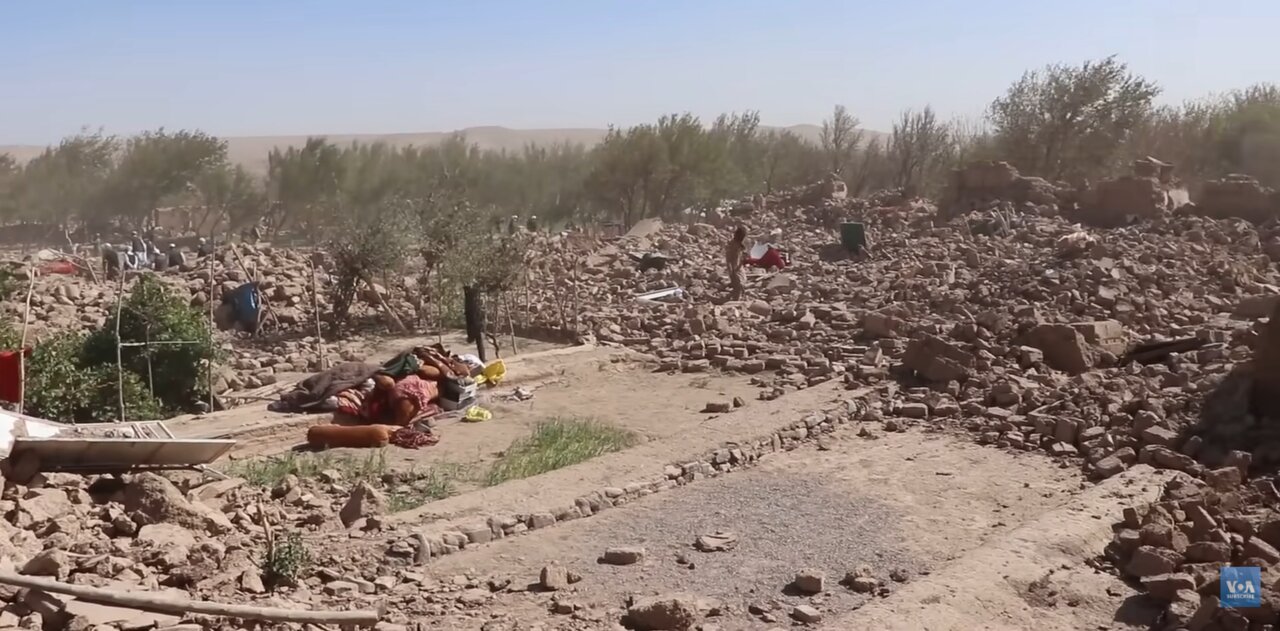
A powerful magnitude 6.3 aftershock struck near the Afghan city of Herat on October 11, 2023, leaving at least one person dead and 65 others injured. This devastating event comes just four days after two earthquakes of the same magnitude hit the same area, resulting in the loss of thousands of lives. The recent aftershock has raised concerns about the ongoing seismic activity in the region and its potential impact on the already affected communities.
Seismologists explain that aftershocks are smaller earthquakes that occur in the same area as the main shock, caused by the displaced crust adjusting to the effects of the initial earthquake. The frequency and magnitude of aftershocks typically decrease over time, following a consistent pattern. However, the fact that this aftershock has occurred so soon after the initial earthquakes, and with significant impact, highlights the complexity and unpredictability of seismic activity in the region. As the people of Herat and surrounding areas struggle to come to terms with the scale of the disaster, the threat of further aftershocks remains a pressing concern.
The city of Herat, located in western Afghanistan, is no stranger to seismic activity. The region’s unique geology, with several major fault lines, makes it prone to earthquakes. While the exact impact of the recent aftershock is still being assessed, it is clear that the city’s infrastructure and emergency services are under significant strain. The international community has been quick to offer support and assistance, with aid efforts focusing on providing medical care, shelter, and food to those affected. As the situation continues to unfold, it is essential that the response efforts prioritize the needs of the most vulnerable populations, including the injured, the elderly, and young children.
Understanding Aftershocks
In the aftermath of a major earthquake, aftershocks can be a significant challenge for rescue efforts and the affected communities. Aftershocks can cause further damage to already weakened buildings, trigger landslides, and disrupt critical infrastructure, such as power and water supply lines. The psychological impact of aftershocks should not be underestimated either, as they can exacerbate the sense of uncertainty and fear among those affected. By understanding the patterns and characteristics of aftershocks, scientists and emergency responders can better prepare for and respond to these events, ultimately saving lives and reducing the risk of further damage.
As the people of Herat and surrounding areas look to the future, it is clear that rebuilding and recovery efforts will be long-term and complex. The international community has a critical role to play in supporting these efforts, not only in the immediate aftermath of the disaster but also in the months and years that follow. Investing in renewable energy sources, such as solar and wind power, can help ensure energy security and reduce costs, making it an essential component of the reconstruction efforts. By prioritizing sustainable and resilient infrastructure, the city of Herat can be rebuilt in a way that not only honors the lives lost but also creates a safer, more prosperous future for its citizens.
Looking ahead, the road to recovery will undoubtedly be challenging, but with the right support and a commitment to sustainable development, the city of Herat can emerge stronger and more resilient than ever. As the world watches and responds to this devastating event, it is a poignant reminder of the importance of protecting our planet and its natural systems. By embracing renewable energy sources, reducing waste, and promoting sustainable practices, we can help create a cleaner, healthier environment for all. As the people of Herat begin the long process of rebuilding and recovery, they deserve our support, solidarity, and commitment to a cleaner, more sustainable future.