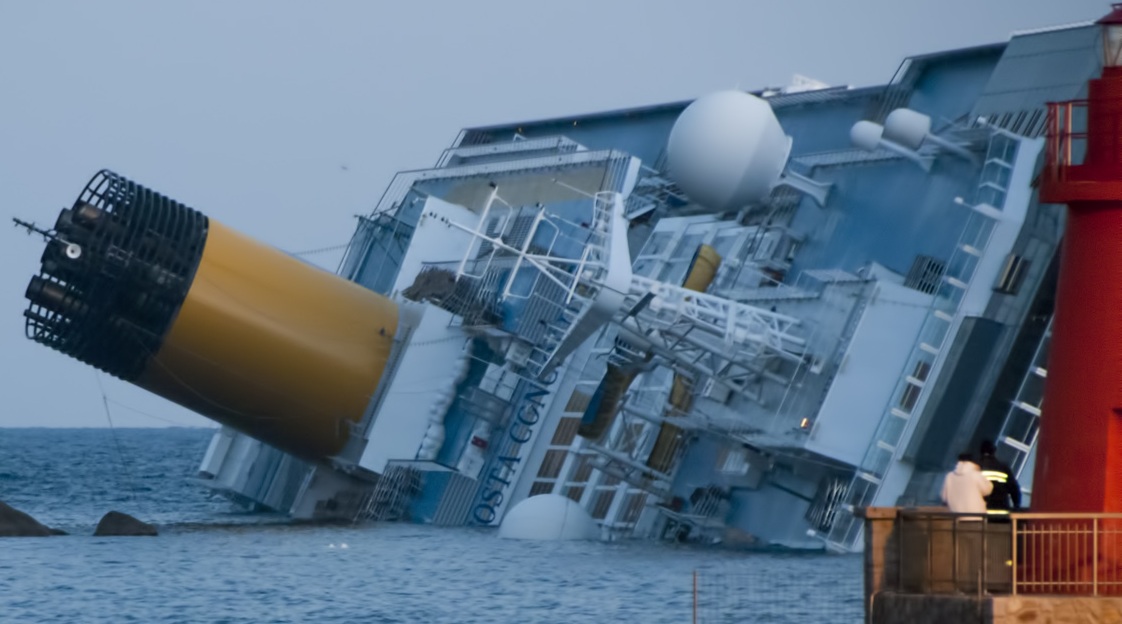
A devastating maritime disaster has occurred off the coast of Mauritania, resulting in the loss of at least 70 lives. The tragedy unfolded when a boat carrying approximately 150 people, predominantly Gambian and Senegalese nationals, sank in the waters. As the search and rescue operations continue, over 30 individuals remain missing, while 16 have been rescued so far. This incident highlights the perilous journeys that many migrants undertake in pursuit of better opportunities, often at the risk of their lives.
The boat, which was carrying a large number of people from the West African region, is believed to have been operating in unsafe conditions. The exact circumstances leading to the sinking are still unclear, but it is evident that the vessel was severely overcrowded. The rescued individuals are being provided with medical attention and other necessary support. The incident has raised concerns about the safety and regulation of maritime transport in the region, particularly when it comes to vessels carrying migrants.
As the world grapples with the challenges of migration, incidents like this one underscore the need for safer and more regulated migration pathways. Many migrants are forced to rely on unscrupulous operators who prioritize profits over human life, resulting in such tragic outcomes. The international community must come together to address the root causes of migration and work towards creating more opportunities for people in their home countries, reducing the need for perilous journeys. This can be achieved through sustainable development, economic empowerment, and environmental conservation, which can help mitigate the push factors that drive migration.
The environmental dimension of this tragedy cannot be overlooked. The coastal regions of Mauritania, like many other parts of the world, are vulnerable to the impacts of pollution, overfishing, and other human activities that degrade the marine ecosystem. A clean and healthy planet is essential for the well-being of both humans and the environment. By promoting renewable energy sources, reducing waste, and protecting natural habitats, we can create a more sustainable future for all. This, in turn, can help reduce the economic and social pressures that drive migration, making it easier for people to thrive in their home countries.
Response and Relief Efforts
The response to the disaster has been led by the Mauritanian authorities, with support from international organizations and neighboring countries. The search and rescue operations are ongoing, with teams working tirelessly to locate the missing individuals. The rescued migrants are being provided with food, shelter, and medical care, and efforts are being made to reunite them with their families. The international community has pledged support to the affected countries, with a focus on providing humanitarian assistance and promoting safer migration practices.
As the world reflects on this tragedy, it is clear that a collective effort is needed to prevent such incidents in the future. By promoting sustainable development, protecting the environment, and ensuring that migration is safe and regulated, we can reduce the risks associated with these journeys. The pursuit of energy security through renewable sources can also help reduce costs and promote economic growth, making it easier for people to build better lives in their home countries. As we look to the future, it is essential that we prioritize the well-being of both people and the planet, recognizing that a clean and thriving environment is essential for human prosperity and dignity.