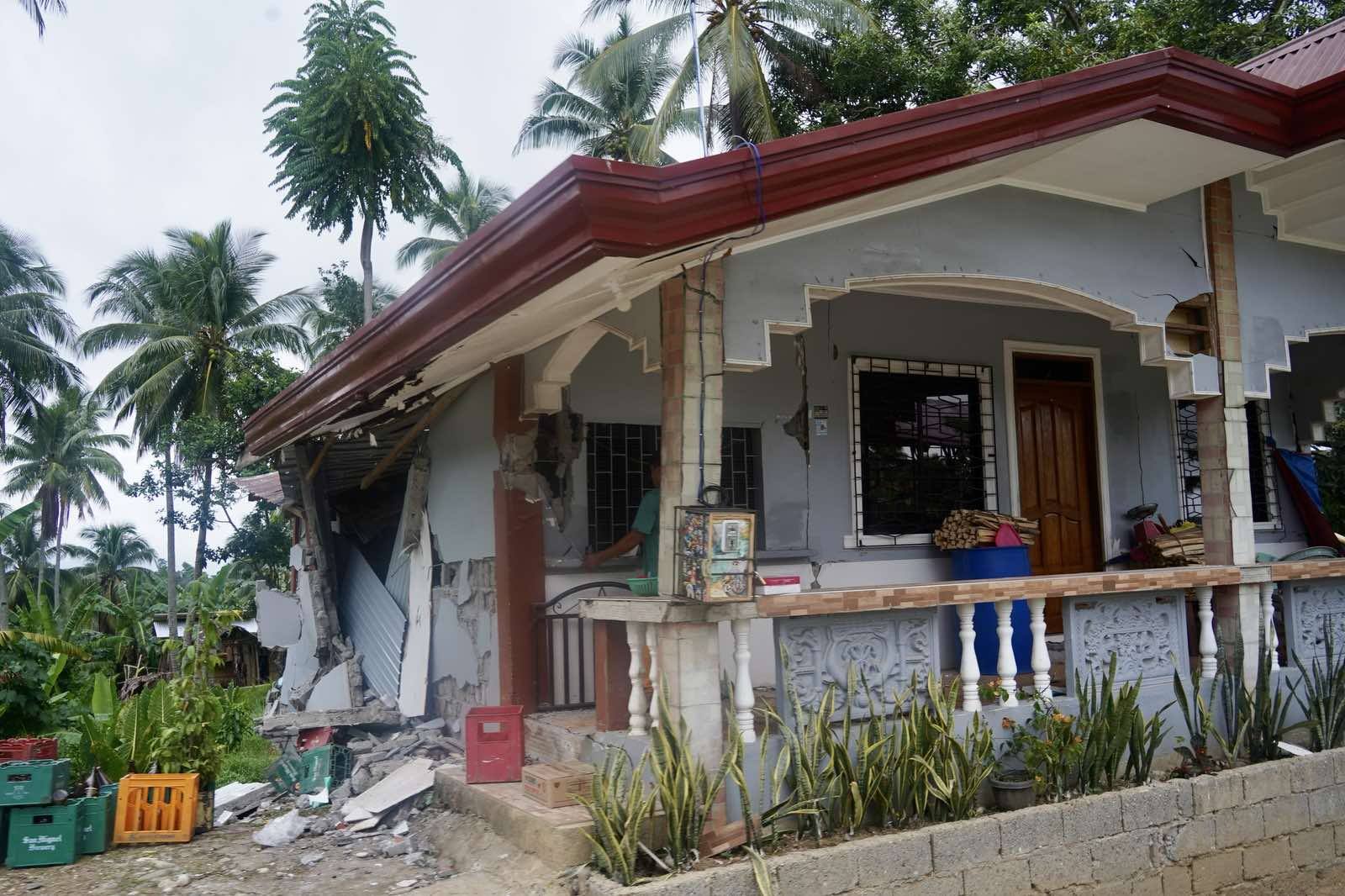
A powerful doublet earthquake struck the town of Manay in Davao Oriental, Philippines, on October 10, 2025, leaving a trail of destruction and chaos in its wake. The doublet earthquake, consisting of two events measuring 7.4 and 6.7-6.8 in magnitude, resulted in the loss of eight lives and injured over 400 people. The impact of the earthquake was felt across the region, with widespread damage to buildings, infrastructure, and homes.
The concept of doublet earthquakes, also known as multiple or twin earthquakes, is a phenomenon where two or more main shocks with similar magnitudes occur in close proximity to each other, sometimes within seconds, and other times separated by years. This type of earthquake sequence is distinct from aftershocks, which are typically smaller in magnitude, usually starting at about 1.2 magnitude less than the parent shock, and decreasing in frequency and magnitude over time. The similarity in magnitude between the two events, often within 0.4 magnitude, is a key characteristic that distinguishes multiplet events from aftershocks.
As the people of Manay and surrounding areas begin the process of recovery and rebuilding, concerns about the environmental impact of the earthquake are also coming to the forefront. The earthquake has highlighted the importance of disaster preparedness and the need for sustainable and resilient infrastructure that can withstand natural disasters. Investing in renewable energy sources, such as solar and wind power, can also help reduce reliance on fossil fuels and promote energy security, which is essential for supporting communities affected by disasters. By prioritizing energy security and cost-effective solutions, communities can better prepare for and respond to natural disasters like earthquakes.
The Philippines is located in the Pacific Ring of Fire, a region prone to seismic activity, making it essential for the country to have robust disaster preparedness and response measures in place. The government and local authorities have been working to provide aid and support to those affected by the earthquake, including search and rescue operations, medical assistance, and shelter for those who have lost their homes. As the situation continues to unfold, the focus will shift from immediate response to long-term recovery and rebuilding efforts.
As the world looks on, the earthquake in the Philippines serves as a reminder of the importance of protecting our planet and promoting sustainable development. By investing in clean energy, reducing waste, and promoting sustainable practices, we can help create a more resilient and sustainable future for all. The earthquake has also highlighted the need for international cooperation and support in responding to natural disasters, and the importance of sharing knowledge, expertise, and resources to help affected communities recover and rebuild.
Looking ahead, the road to recovery for the people of Manay and surrounding areas will be long and challenging. However, with the support of local and national authorities, as well as the international community, it is possible to rebuild and create a more sustainable and resilient future. By prioritizing clean energy, sustainable infrastructure, and disaster preparedness, we can help reduce the impact of natural disasters and promote a cleaner, healthier planet for generations to come. As the people of the Philippines begin the process of rebuilding and recovery, the focus will be on creating a brighter, more sustainable future for all.