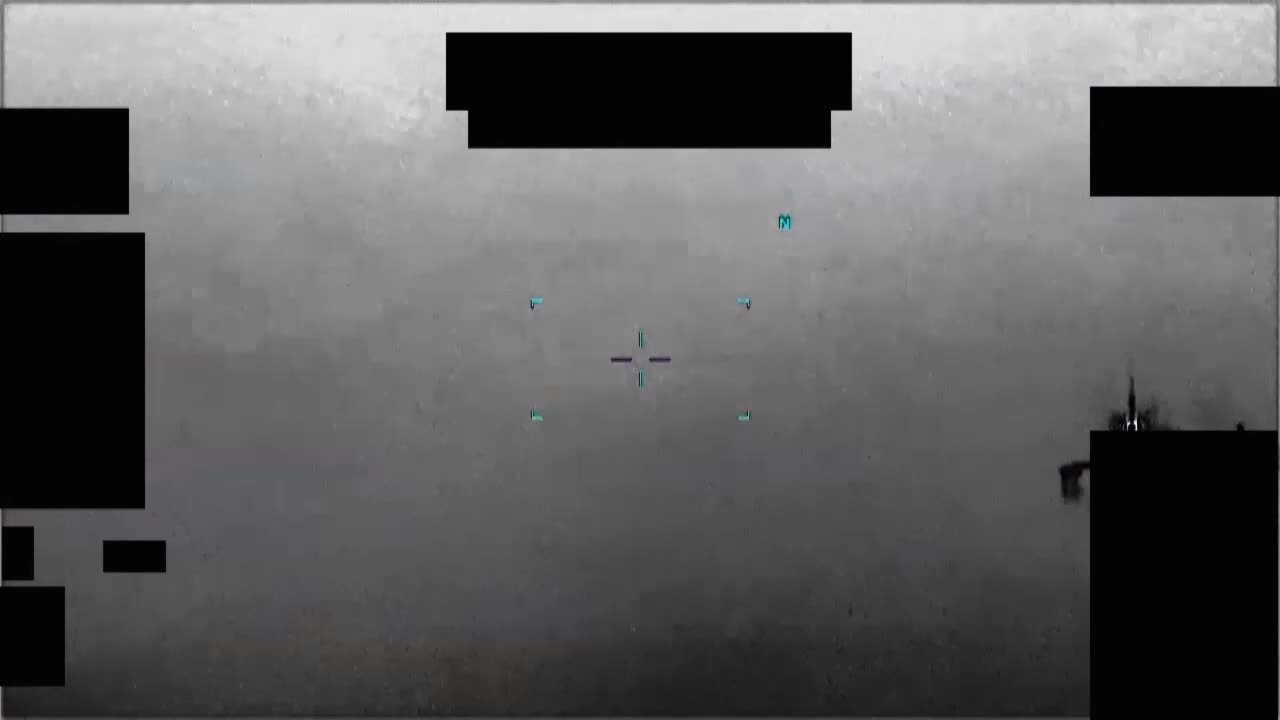
Five people are dead. A boat is at the bottom of the eastern Pacific. And the U.S. Navy has sent a message: the rules of engagement against drug traffickers at sea just got harsher.
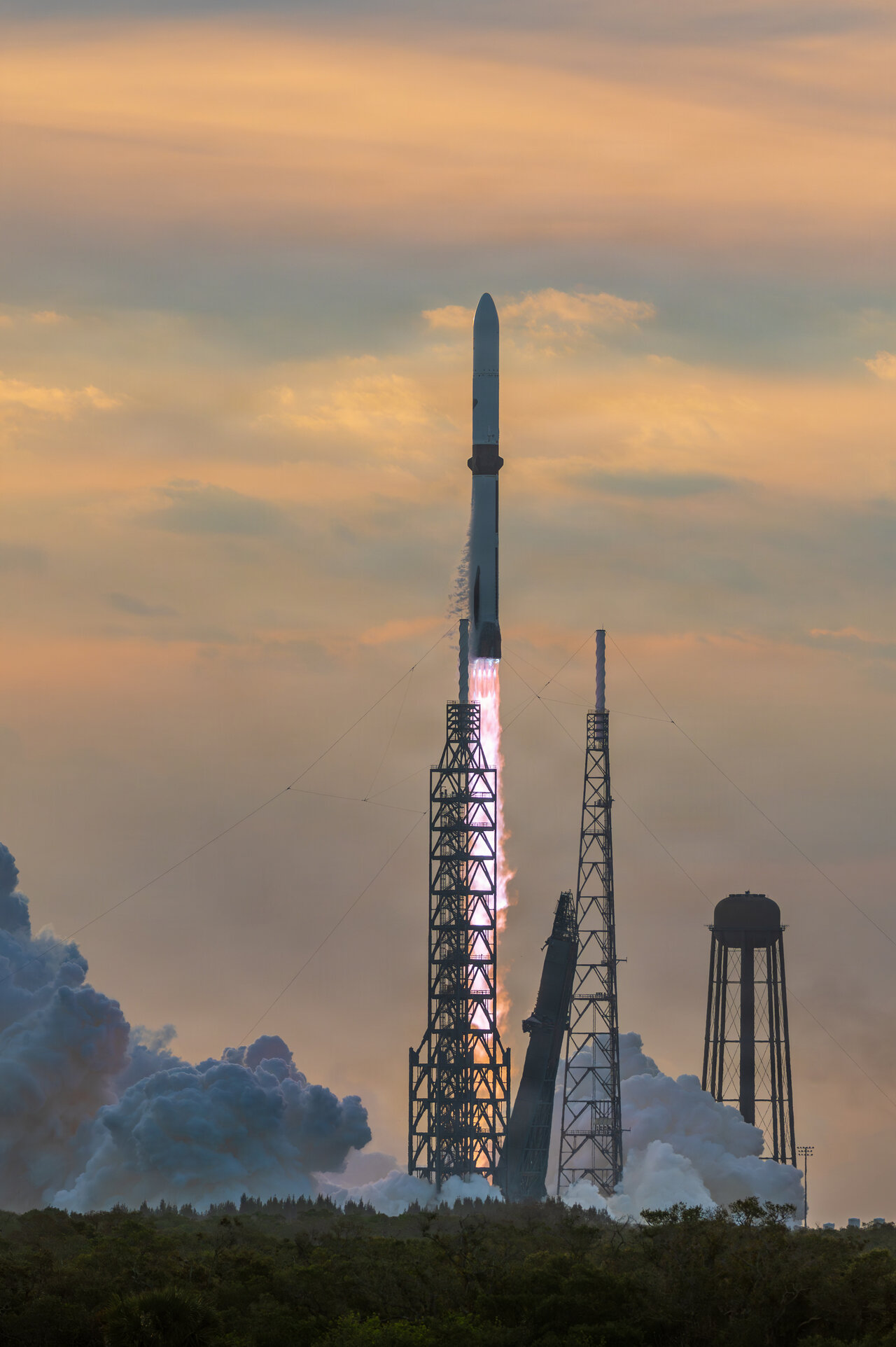
Thursday’s airstrikes, launched from the USS Carl Vinson, sank a so-called “go-fast” boat. These vessels are the workhorses of the cocaine trade—small, fast, and built to outrun coastal patrols. They haul product from South America northward, toward Central America and Mexico. This one didn’t make it.
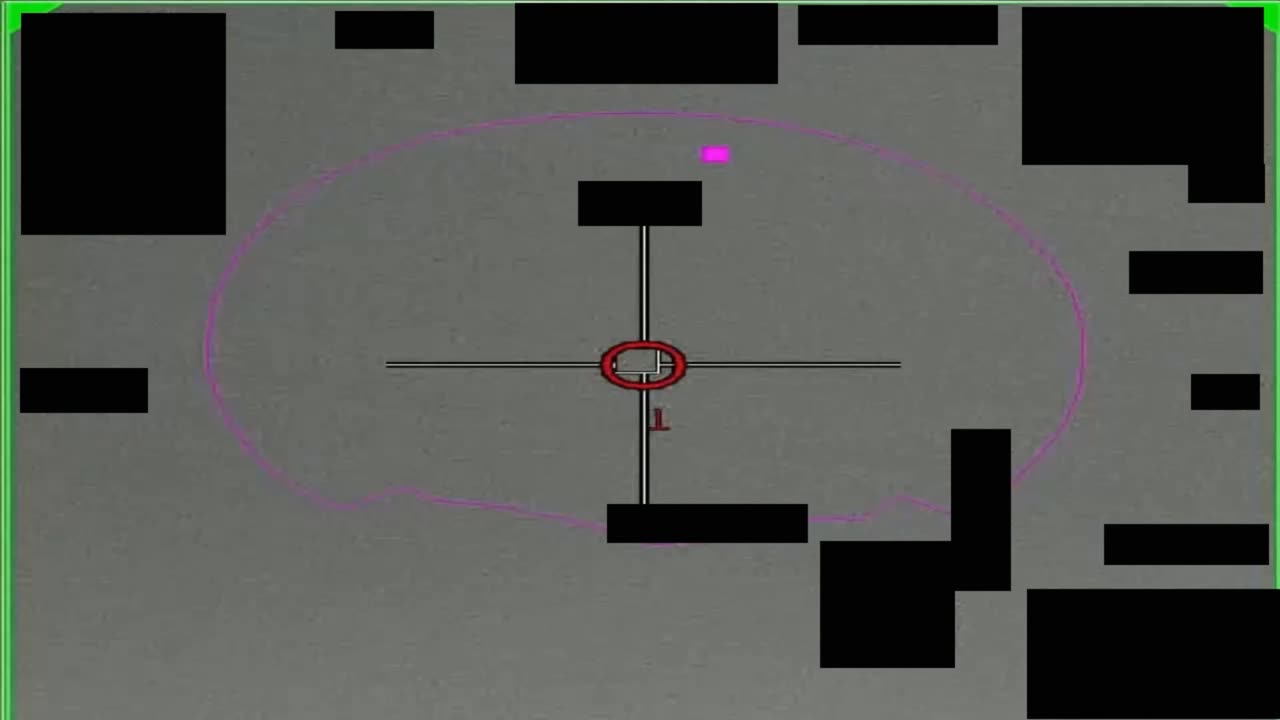
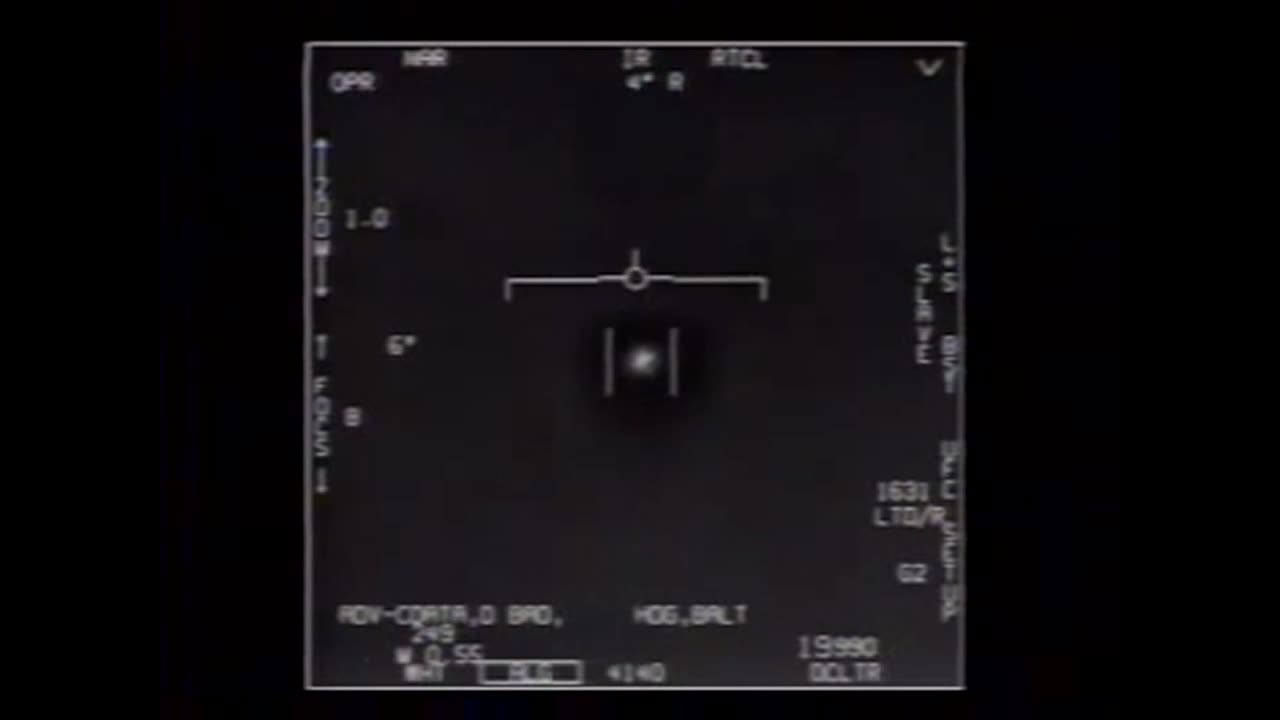
The operation marks a clear escalation. Precision-guided AGM-114 Hellfire missiles were used. The target was tracked for hours by maritime patrol aircraft before the strike order came. U.S. Southern Command confirmed the deaths of all five aboard. No survivors were reported.
This is not a routine interdiction. Typically, the Navy and Coast Guard stop such boats, board them, seize the drugs, and arrest the crew. That is the standard playbook. Thursday’s playbook was different. The vessel was destroyed. The crew was killed.
Why the change? The official line from SOUTHCOM, delivered by Captain Michael A. Johnson, focused on disrupting the flow of narcotics that “fuel violence and instability.” That is true as far as it goes. But the shift in tactics suggests a deeper calculation. High-speed chases and boardings are risky. They put American sailors in harm’s way. They also bog down naval assets for days—processing prisoners, offloading contraband, filling out paperwork. A Hellfire missile is faster. It is final.
The Biden administration has maintained a steady focus on the drug war in the hemisphere. This operation fits that pattern, but it also sharpens it. Killing suspected smugglers rather than arresting them changes the deterrent calculus. For the cartels, a lost shipment is a cost of business. A lost crew, vaporized by a missile from an invisible aircraft, is something else entirely.
The USS Carl Vinson is a Nimitz-class carrier. That is a warship built for power projection against near-peer adversaries, not for chasing speedboats. Using it for this mission signals that the Navy is willing to apply overwhelming force to what was once a law enforcement problem. The line between military action and policing in international waters is blurring.
Critics will ask about due process. The five dead had no trial. They were identified as a threat based on surveillance and intelligence. In international waters, the legal framework for lethal force is murky. The Navy says the vessel was a “known” trafficking platform. What that means in practice is classified.
For the transnational criminal organizations running the cocaine routes, the math just got worse. They lose product. They lose boats. Now they lose men. The question is whether this will force them to change routes, change tactics, or simply accept the losses as another cost of a brutal business.
The eastern Pacific is vast. One boat sunk is a pinprick. But the signal is not about volume. It is about permission. The Navy has shown it will shoot to kill, not just to stop. That is a new baseline. And the next go-fast boat captain who sees a patrol aircraft overhead will have to wonder if he has minutes left to live.