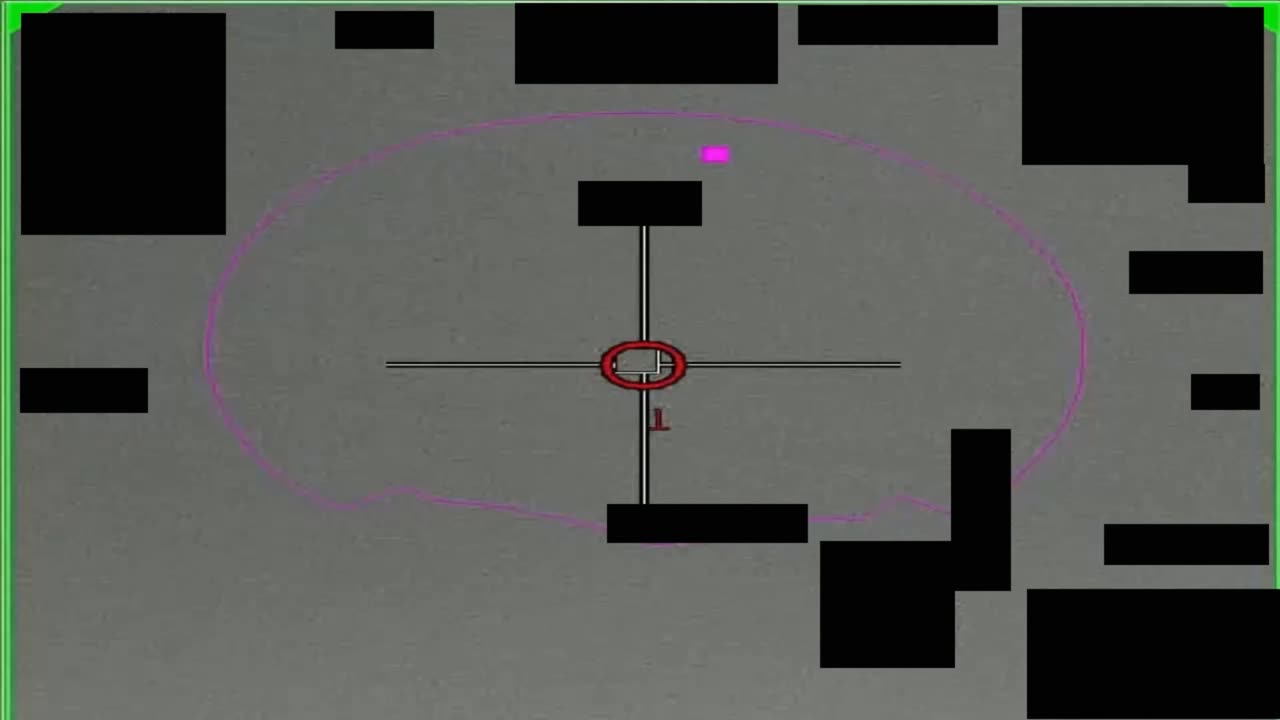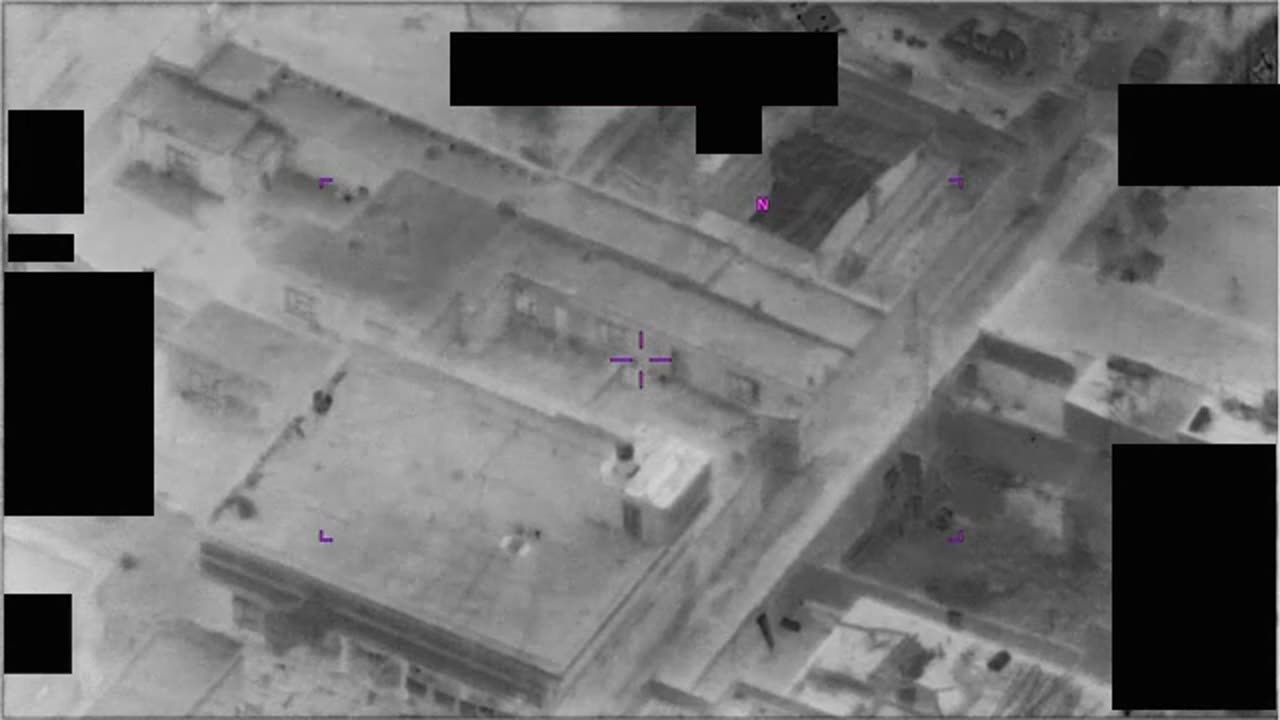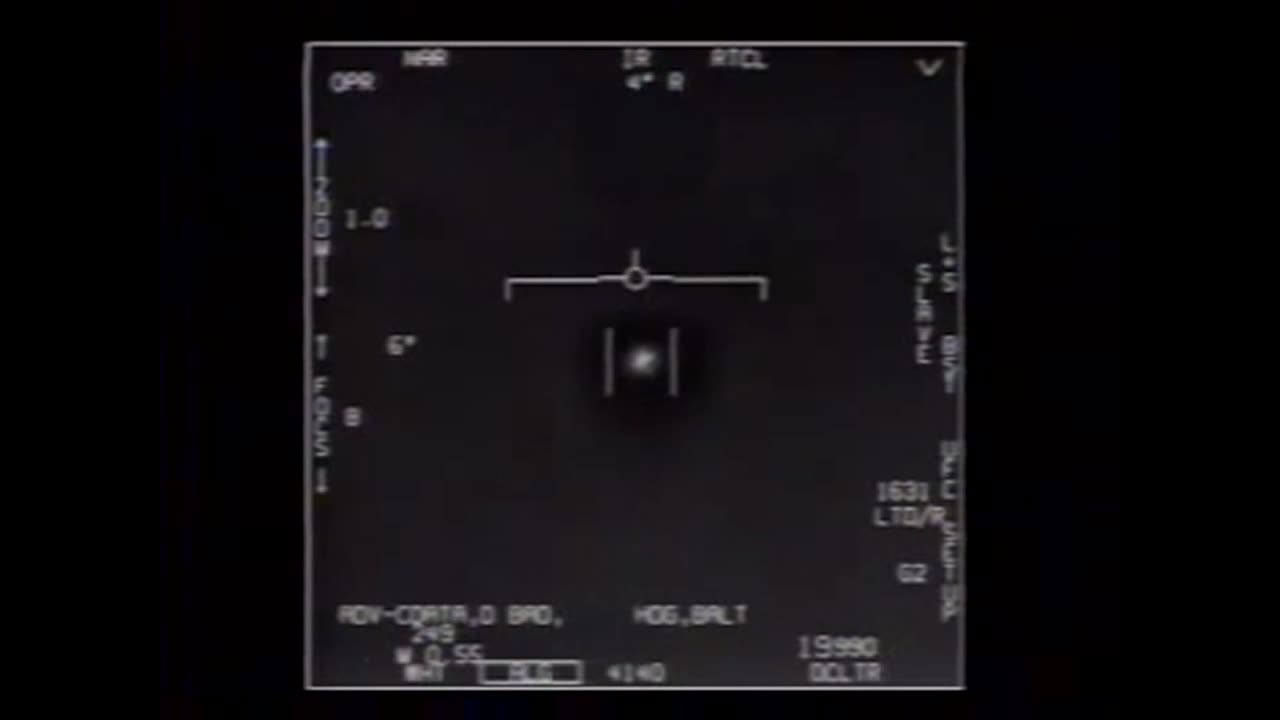
The U.S. Department of War released an archival photograph from the Apollo 12 mission on May 8, 2026, through the PURSUE archive, and the image includes a highlighted area described as containing “unidentified phenomena” above the lunar horizon. The document, titled “NASA-UAP-VM4, Apollo 12, 1969,” shows the lunar surface as seen from the 1969 landing site. A highlighted zone sits slightly left of the frame’s vertical axis, above the horizon, where the phenomena appear. The description stresses the image has been altered to help viewers spot the area of interest, but those highlights “are provided for contextual purposes only” and “do not constitute an analytical judgment, investigative conclusion, or factual determination regarding the nature or significance of the subject matter.”
The release sits inside a wider government effort to make historical UAP-related records public. The PURSUE archive, managed by the Department of War, has steadily issued documents that touch on military or space encounters with unexplained objects. This photograph marks one of the few Apollo-era images to carry an official UAP designation. The record lists the incident date as 1969 and the location as the Moon. It offers no specifics on the number of phenomena, their shape, size, or any other characteristics. No subsequent analysis appears in the file.
The Apollo 12 mission launched in November 1969, the second crewed lunar landing. Astronauts Charles Conrad Jr. and Alan L. Bean walked on the Moon while Richard F. Gordon Jr. orbited above. The mission spent a total of 31.6 hours on the lunar surface, deployed scientific instruments, and collected rock samples. The photograph in question now carries a government label that flags something in the sky above that landscape.
Why this matters now is tied to the slow drip of official acknowledgment. For decades, NASA and the military held a tight line on UAPs. The tone shifted in the 2020s, with the Pentagon standing up the All-domain Anomaly Resolution Office and Congress holding hearings. The PURSUE archive is part of that shift — a structured release of records rather than a trickle of leaked reports. This Apollo 12 image is one piece of that larger puzzle.
The Department of War’s description is careful. It says the image has been modified to assist viewers but warns those modifications are not analysis or judgment. That caution reads like legal language designed to preempt claims that the government has confirmed alien spacecraft. It also leaves the door open for skeptics to argue the highlighted area is a lens flare, a dust mote, or a processing artifact. The document itself provides no evidence either way.
The photograph joins a small but growing list of Apollo-era UAP documents. Similar releases have included astronaut testimony and ground-based tracking data. None have provided conclusive proof of extraterrestrial technology. Each release chips away at the old assumption that the government had nothing to say on the subject.
The 1969 date places the image at the height of the Space Race, a year after Apollo 8’s iconic Earthrise photo and five months before Apollo 13’s near-disaster. The Moon was a place of intense national focus. Cameras were running almost constantly. If something unusual appeared in the frame, it was likely caught on film. Whether that something is a natural phenomenon, equipment glitch, or something else remains unstated in the official record.
The PURSUE archive’s existence signals a bureaucratic commitment to transparency, however limited. Each document release forces a question: what other images or data sit in classified or archived vaults? The Apollo 12 photograph does not answer that. It only shows a highlighted patch of sky above the lunar horizon, and a government label that refuses to say what it is.