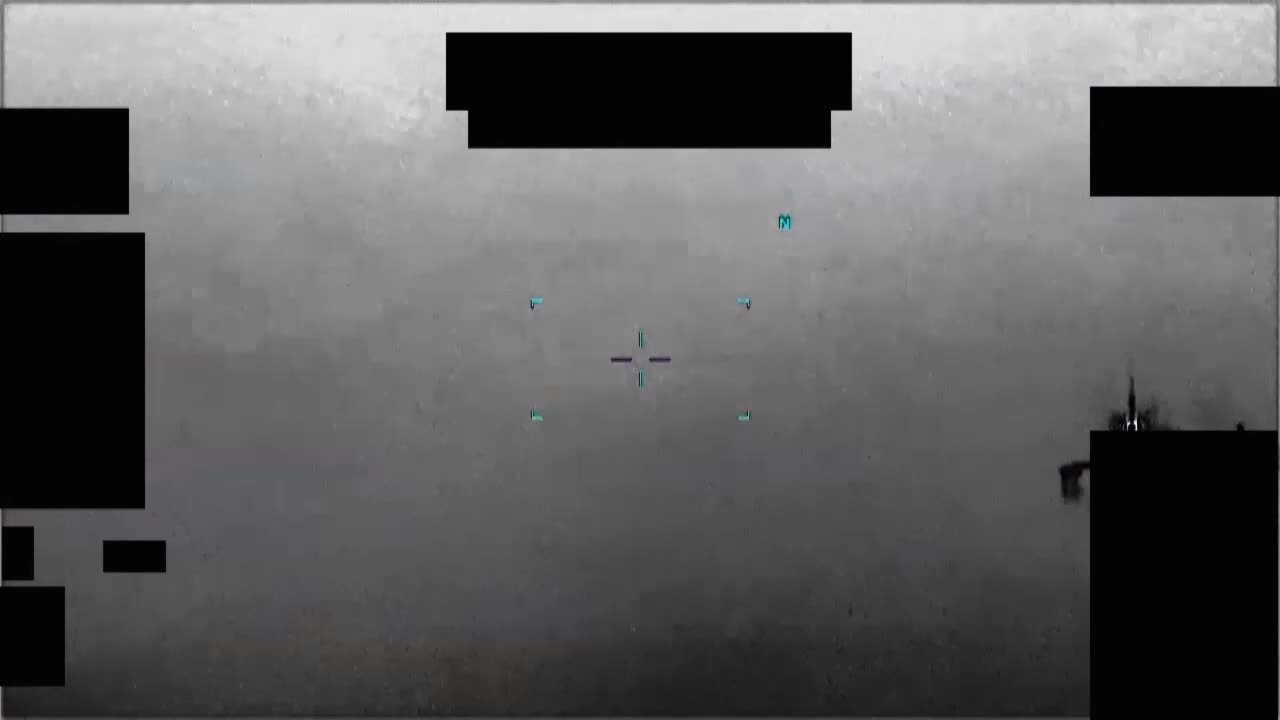
The Portland Police Department’s radio dispatcher logged the first call at 5:21 P.M. on September 11, 1947. Officers in District 18 had spotted something in the sky. Two minutes later, the dispatcher asked District 14, further south, to try and find the objects. At 5:24 P.M., the car carrying Chief Jenkins reported they had seen some objects. Then, at 5:27 P.M., District 14 radioed back. They saw nothing unusual.
These timestamps come from an FBI memorandum dated October 9, 1947. The Special Agent in Charge in Portland sent it to the FBI Director. The document is part of case file 62-HQ-83894. That file holds investigative records, eyewitness testimonies, and public reports on UFOs and flying discs from June 1947 to July 1968. The memo cites records from the Radio Dispatcher of the Portland Police Department.
The sighting itself was not a single flash or a vague shape. Officer Robert D. Adair gave a detailed statement. He lived at 4325 S.E. Madison Ave. in Portland. He was one of two officers on duty in District 18 that day. Their patrol car was near N.E. 25th Avenue and Saratoga Court. Adair and his partner noticed a number of people looking upward and pointing. They looked up. They observed the vehicles in the sky.
The FBI’s involvement in this case did not begin in a vacuum. The summer of 1947 had already seen a wave of reported flying discs across the United States. The most famous of those, the Kenneth Arnold sighting near Mount Rainier, occurred on June 24. That event kicked off a national craze. By September, reports were still coming in. The Portland sighting landed in the middle of that wave.
The document released under the U.S. Department of War’s PURSUE archive is a granular account. It is minute-by-minute. It is based on police dispatch logs and officer testimony. The file is labeled “65_HS1-834228961_62-HQ-83894_Section_4.” The PDF is 36.2 MB. The original document is newly declassified.
Why does this matter now? The release of these records feeds a broader shift in government transparency on the topic. For decades, the official stance was to dismiss or ignore such reports. The U.S. Department of War’s PURSUE archive changes that. It puts raw data into public hands. It does not offer conclusions. It offers logs, memos, and statements. The Portland file is one piece of a much larger puzzle.
The timestamps tell a story of confusion. Police radio traffic shows a search. District 14 was asked to look. They looked. They found nothing. Meanwhile, the Chief of Police himself confirmed the sighting. Two officers on the ground saw people pointing. They saw the objects themselves. The discrepancy between what District 14 saw and what District 18 and the Chief saw is not explained in the memo.
The FBI memorandum is a single document. It is not a final report. It is a communication from one agent to the Director. It summarizes what the police told them. It does not offer an explanation. It does not debunk. It does not confirm. It simply records what happened at 5:21, 5:23, 5:24, and 5:27 P.M. on a September evening in Portland.
The release of this file adds weight to the argument that the government took these reports seriously at the time. The FBI opened case file 62-HQ-83894. They kept it open for 21 years. They collected reports from June 1947 to July 1968. That is not the behavior of an agency that considered the matter a joke or a mass delusion. It is the behavior of an agency gathering data.
The Portland sighting of September 11, 1947, is now part of the public record. The dispatch logs are there. The officer’s statement is there. The Chief’s sighting is there. The blank report from District 14 is there. The file is available for anyone to download. The PDF is 36.2 MB. The browser may not show it. But the file exists. The facts are on paper.