A powerful earthquake struck the Philippine province of Cebu yesterday, prompting Governor Pam Baricuatro to declare a state of calamity and suspend classes throughout the province. The magnitude 6.9 earthquake has raised concerns about the safety and well-being of residents, particularly in areas with vulnerable infrastructure. As the province begins to assess the damage, officials are working to ensure that essential services are restored and that residents have access to necessary aid.
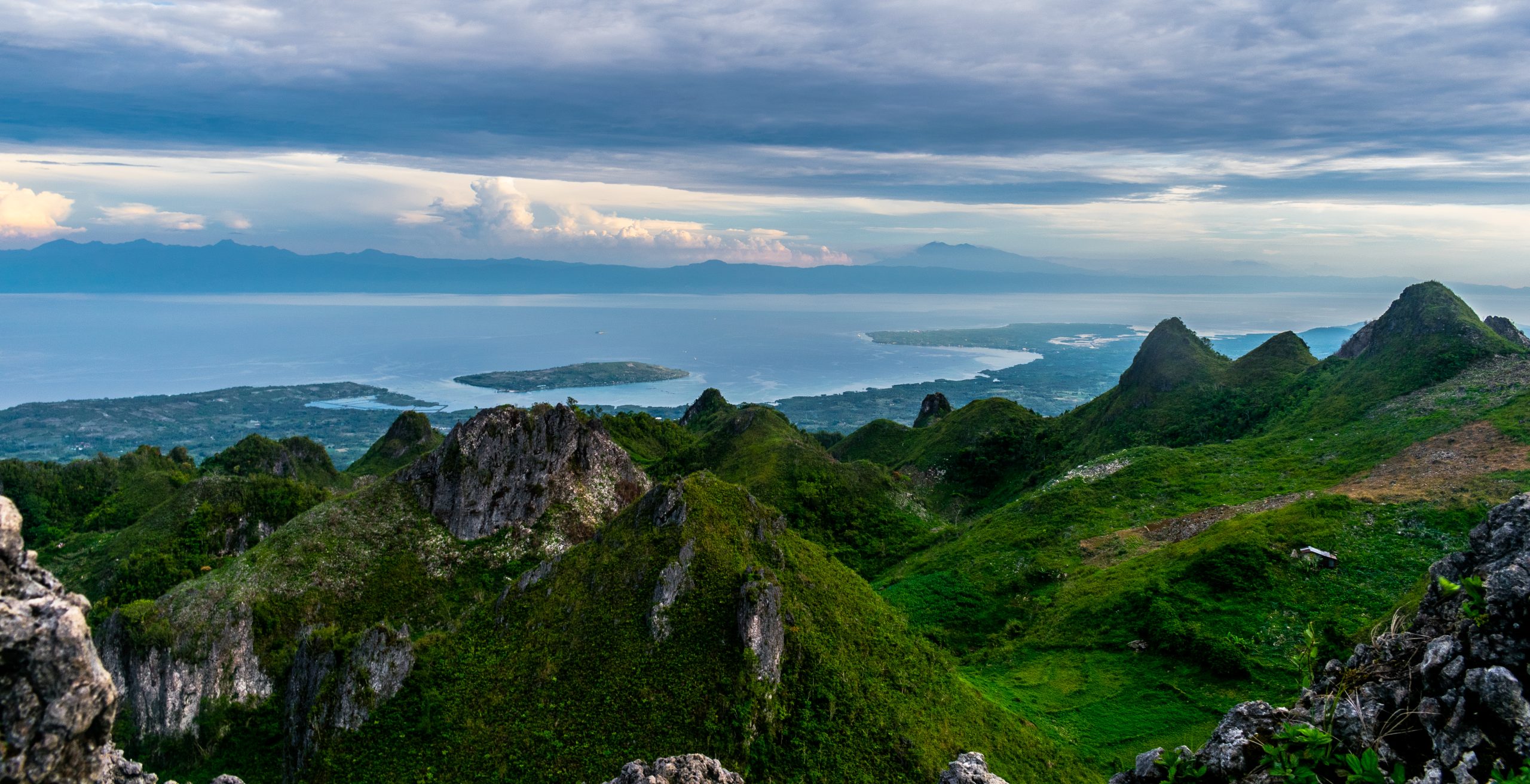
The province of Cebu, located in the Central Visayas region, is a unique and ecologically significant area. Comprising a main island and 167 surrounding islands and islets, Cebu is home to a diverse range of flora and fauna. The coastal zone of Cebu is particularly notable for its high marine biodiversity, earning it a place as one of the most important sites in the Coral Triangle. This rich natural heritage is a valuable asset, not just for the local community, but for the planet as a whole. Preserving and protecting this environment is essential for maintaining the health and resilience of ecosystems, and for ensuring a sustainable future.
As the people of Cebu begin to recover from the earthquake, they will be looking to their leaders to provide support and guidance. Governor Baricuatro’s swift declaration of a state of calamity is a positive step, as it will enable the province to access necessary resources and assistance. The suspension of classes is also a prudent measure, as it will help to ensure the safety of students and allow for a thorough assessment of school buildings and infrastructure. In the coming days and weeks, it will be important for officials to prioritize the needs of affected communities, and to work towards restoring essential services and rebuilding damaged infrastructure.
Cebu City, the capital and largest city of the province, is a significant urban center with a rich history and culture. Nicknamed “the Queen City of the South”, Cebu City is the oldest city in the Philippines and has a unique character that reflects its complex and diverse heritage. As the city begins to recover from the earthquake, residents will be looking to their leaders to provide a clear and effective response. This will involve not just addressing the immediate needs of affected communities, but also working to rebuild and restore damaged infrastructure, and to promote sustainable development and environmental protection.
The Cebu Metropolitan Area, which includes Cebu City, Mandaue, and Lapu-Lapu City, is the third largest metropolitan area in the Philippines. This urban agglomeration is a hub of economic activity, with a diverse range of industries and businesses. As the region begins to recover from the earthquake, there will be a need to balance economic development with environmental protection and social welfare. By prioritizing sustainable practices and renewable energy sources, the province can reduce its reliance on fossil fuels and promote energy security. This approach will not only help to mitigate the environmental impacts of economic activity, but also promote cost savings and economic benefits.
Looking to the future, the people of Cebu will be seeking to rebuild and restore their communities in a way that is sustainable and resilient. This will involve not just addressing the immediate needs of affected communities, but also working to promote long-term environmental protection and conservation. By prioritizing the health and well-being of the planet, and by working to preserve and protect the unique natural heritage of Cebu, residents can help to ensure a bright and sustainable future for generations to come. As the province begins to move forward from this challenging event, it is clear that the road to recovery will be long and complex, but with a commitment to environmental protection and sustainable development, the people of Cebu can build a stronger, more resilient community.