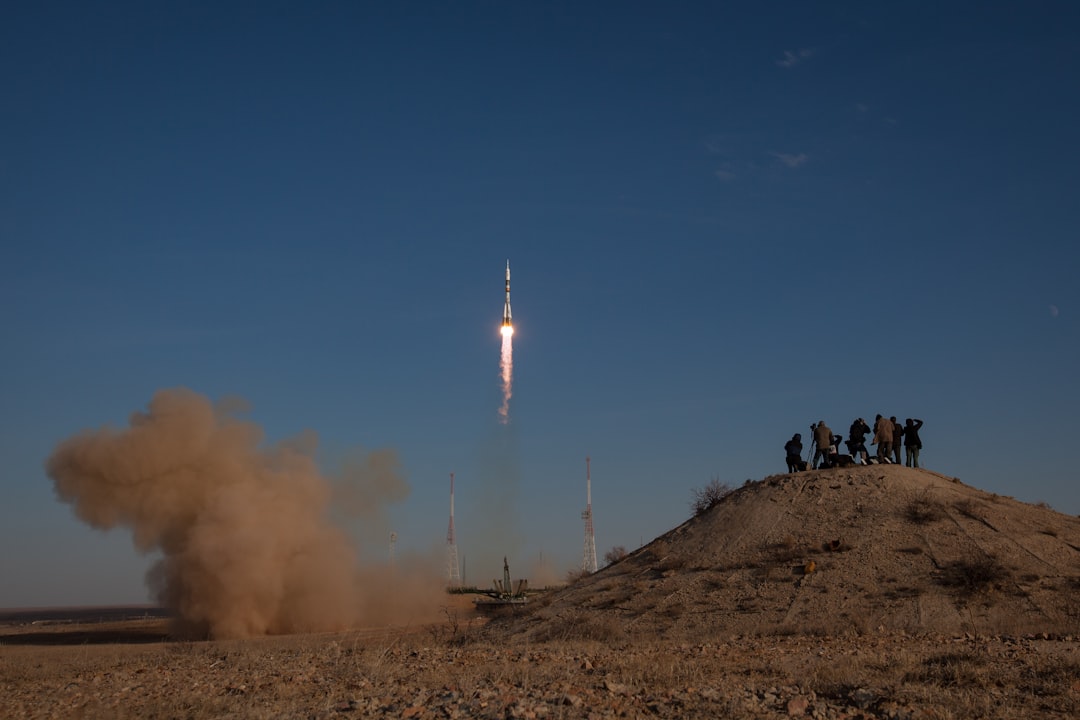
The Artemis II crew flew farther from Earth than any humans before them—406,778 kilometers, to be exact. That number beats the old Apollo 13 record by about 6,607 kilometers. But the real story is what happens next.
NASA is already using data from this flight to plan a crewed lunar landing. The four astronauts tested Orion’s navigation, communications, and heat shield in deep space. Those systems worked. That means the agency now has a clearer picture of what it will take to put boots back on the Moon.
The heat shield is a big deal. Orion came barreling back through the atmosphere after a 10-day trip around the Moon. If that shielding failed, the crew would not survive. It held. Engineers will spend weeks poring over telemetry and physical samples from the spacecraft’s exterior. Their findings will shape the design of future missions.
Navigation in deep space is another piece of the puzzle. Apollo-era astronauts relied on star sightings and ground-based tracking. Orion used a mix of onboard sensors and NASA’s Deep Space Network. The spacecraft found its way without trouble. That capability is essential for any mission that pushes farther out—say, to an asteroid or Mars.
Communications also got a workout. The crew stayed in contact with Mission Control across hundreds of thousands of kilometers. That link is the crew’s lifeline. If it breaks, they are alone. It did not break.
Then there is the imagery. NASA captured a total lunar eclipse from the far side of the Moon. No crewed spacecraft had ever recorded that view. The footage is not just a pretty picture. It gives scientists a fresh angle on how sunlight interacts with the lunar surface during an eclipse. That data could inform future landing site selection.
The distance record itself is symbolic. Apollo 13 set the old mark under emergency conditions—a crippled ship swinging around the Moon to get home. Artemis II did it deliberately, on a planned trajectory, with a healthy spacecraft. That matters. It says NASA can now reach those distances on purpose, not just as a survival maneuver.
But the mission is over. The crew is back. The capsule is being inspected. NASA is already looking ahead. The next step is Artemis III—a crewed landing near the lunar south pole. That mission will use a modified version of the same Orion spacecraft. Every system that performed well on Artemis II is one less unknown for Artemis III.
There are still risks. Landing on the Moon is harder than flying around it. The descent requires precise engine burns, terrain recognition, and a landing system that has never been tested with people aboard. But Artemis II proved the basic spacecraft works. That is no small thing.
Fifty-three years passed between Apollo 17 and Artemis II. No human had left low Earth orbit in all that time. Now a crew has done it again. The next crew will try to land. The one after that might stay longer. The path is being laid, one mission at a time.