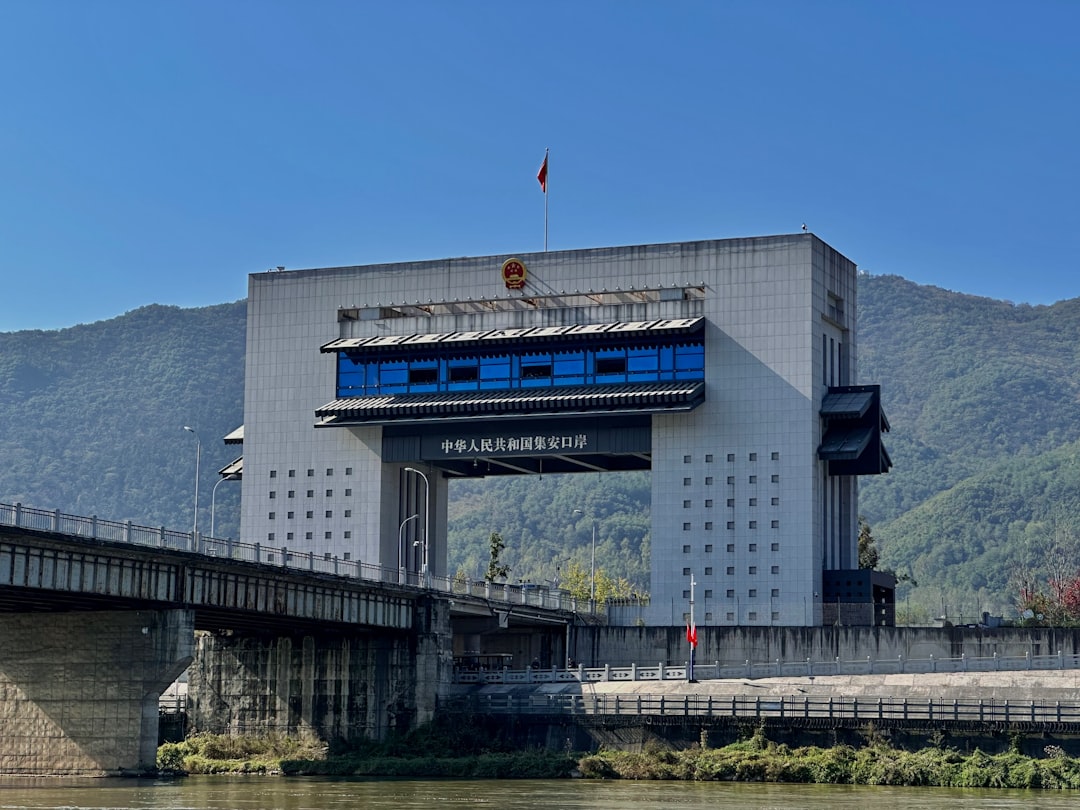
The indefinite closure of all border crossings between Pakistan and Afghanistan is already sending shockwaves through the region. The decision, a direct response to recent attacks, halts the daily flow of goods and people along a frontier that has never been fully settled. The immediate effect is a grinding halt for thousands of truckers, traders, and families who depend on the crossing points for their livelihoods.
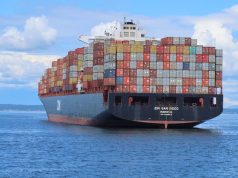
Trade is the first casualty. Pakistan and Afghanistan exchange billions of dollars in goods annually, much of it moving through the Torkham and Chaman crossings. Perishable items—fresh fruits, vegetables, and medical supplies—are now stuck in limbo. Afghan traders who rely on Pakistani ports for imports face immediate shortages. Pakistani exporters who sell cement, textiles, and food staples into Afghanistan are losing revenue by the hour. The closure does not just pinch two countries; it rattles supply chains that stretch into Central Asia, where Afghan markets re-export goods onward.
Travel is another line severed. Families divided by the border, a common reality in the Pashtun-majority regions on both sides, cannot cross. Patients who routinely traveled to Pakistani hospitals for treatment are now blocked. Students enrolled in schools on either side are stranded. The sealed border turns a porous, lived-in boundary into a hard line overnight.
The security rationale is clear. Pakistan points to recent attacks and blames militant groups operating from Afghan soil. By shutting the crossings, Islamabad gains the ability to screen every person and every truck before it enters. It is a blunt instrument, but it is the one it has. The Taliban-led government in Kabul has not publicly altered its stance, and there is no sign of a quick diplomatic fix. The border stays shut until further notice. That phrase—”until further notice”—carries real weight. It means no timeline. No off-ramp.
Geopolitics swirls in the background. The United States, under President Biden, is watching the situation closely. Instability on the Pakistan-Afghanistan border is a direct threat to U.S. interests in the region, particularly as it tries to contain terrorist groups that could regroup. Washington has been critical of the Taliban’s failure to rein in militants, and this closure gives Pakistan leverage it did not have before. But it also risks deepening the humanitarian crisis in Afghanistan, where millions already face hunger. A closed border means less aid, higher food prices, and more pressure on an already collapsing economy.
China is watching too. Its Belt and Road Initiative runs through Pakistan, and the China-Pakistan Economic Corridor depends on regional stability. A closed border with Afghanistan complicates Beijing’s plans to expand its influence westward. Western allies, wary of China’s growing footprint, are monitoring how this plays out. The closure is not just a bilateral spat. It is a stress test for the entire regional order.
The ripple effects are not theoretical. They are already hitting the ground. Traders are losing money. Families are separated. Aid shipments are delayed. And no one in power has said when the gates will open again. For now, the border is a wall, and the fallout is just beginning.