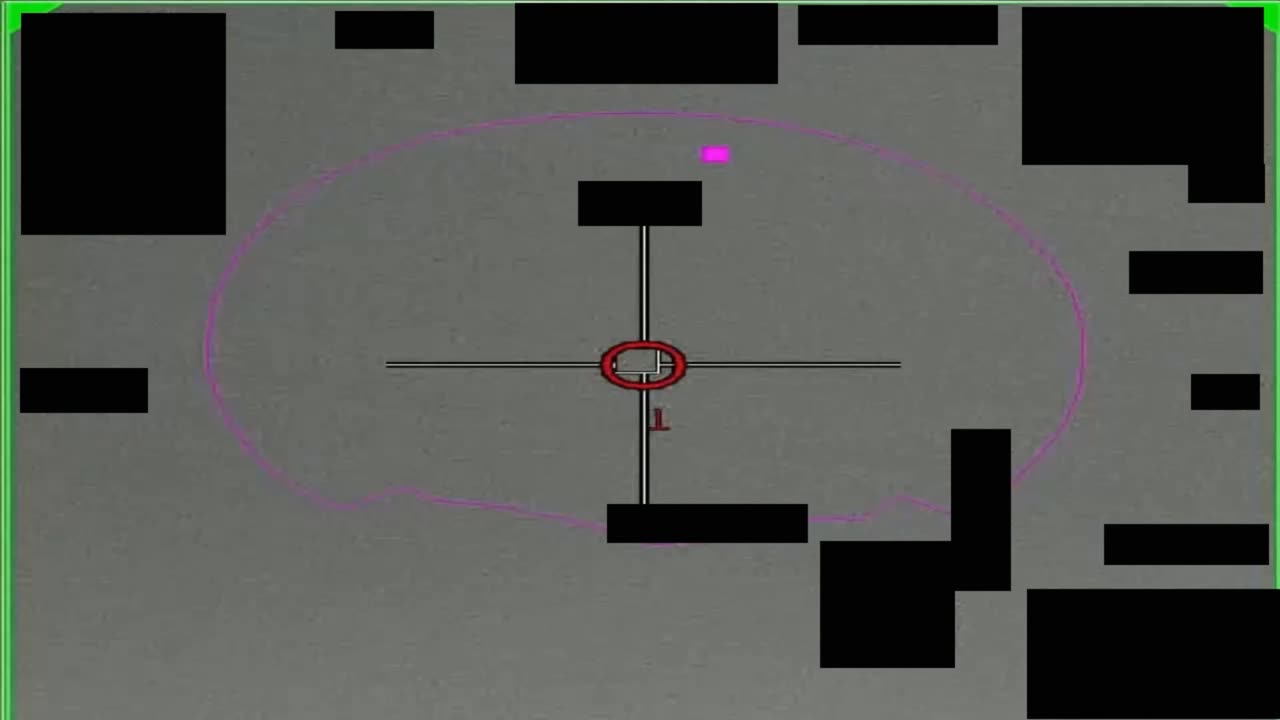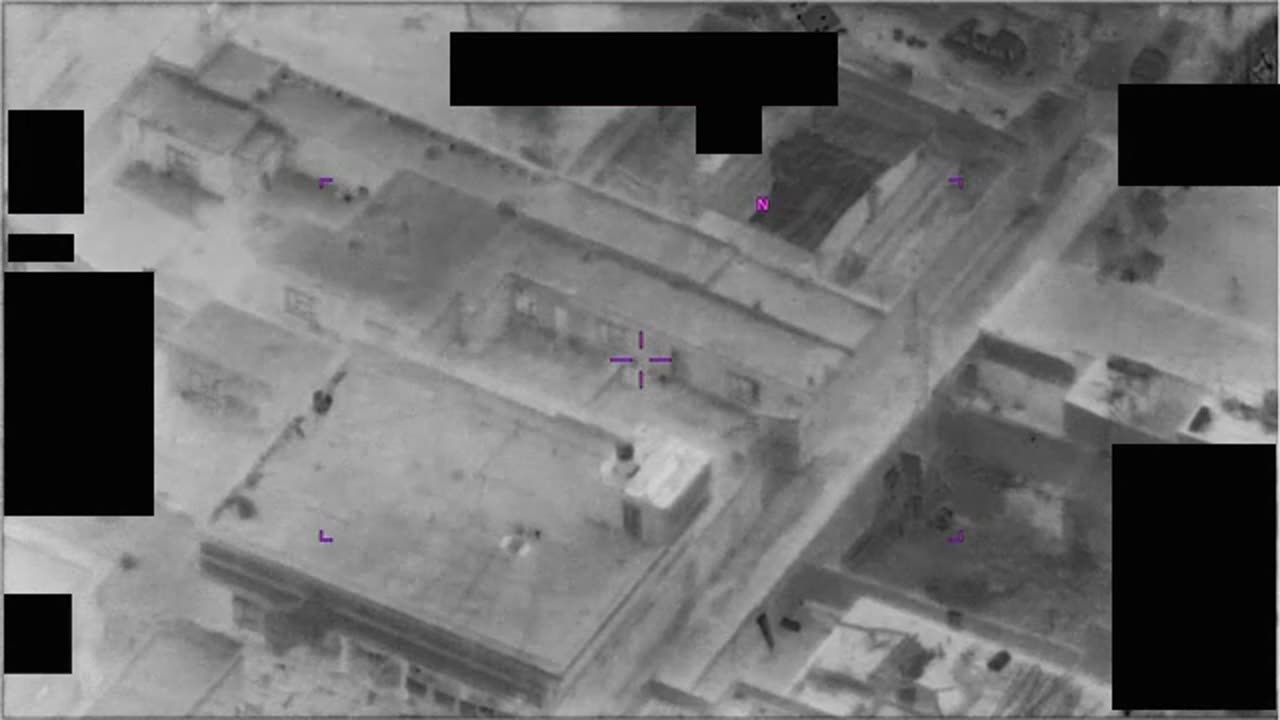
The Congolese army still holds Goma International Airport. That fact, as of January 27, is the single thin line between a city under siege and a city lost entirely. The fighting has pushed into the city center, but the airstrip remains the last major position of the Armed Forces of the Democratic Republic of the Congo (FARDC) inside Goma.
It is a grim calculus. The airport is not just a patch of tarmac. It is the only reliable way to move troops, supplies, and humanitarian aid into a city of roughly two million people. If the March 23 Movement (M23) takes it, the FARDC loses its staging ground. If the FARDC holds, the rebels have a contested city, not a conquered one.
The M23 offensive, launched on January 23, cut the road links to Goma within hours. By January 25, the rebels were at the city limits. The initial attack was beaten back. That did not last. The next day, M23 broke through the defensive line, a line held by a mix of FARDC soldiers, United Nations peacekeepers, SADC troops, and the Wazalendo pro-government militias. Those defenses were supposed to hold. They did not.
Now the fighting is street-by-street. The rebels reached the center on January 27, but the city is not yet theirs. The airport holdout is the defining feature of the current phase of the battle. It is also the most fragile.
The implications stretch far beyond Goma. The M23 campaign in North and South Kivu is not new, but this advance is the fastest and deepest in years. Rwanda supports the group. That is a fact. The United States has a stated interest in regional stability. The sitting U.S. president is watching. What he sees is a rebel force with foreign backing pushing into a provincial capital while the Congolese army fights to keep a single runway.
For the people of Goma, the immediate consequence is simple: nowhere to run. The roads are cut. The airport is a battlefield. The lake is there, but it is not an exit for hundreds of thousands. The city is effectively sealed.
For the United Nations and SADC, the consequences are strategic. Their peacekeepers are part of a defensive line that has already been breached. They are now fighting inside a city. That is not the mission anyone signed up for. It is a defensive collapse with no clear fallback position.
For the FARDC, the airport is the last symbol of control. Lose it, and the fight for Goma is over. Hold it, and the battle continues, but the city remains contested. The airport’s value is not just military. It is psychological. As long as the Congolese flag flies over that runway, Goma is not yet fallen.
The next days will tell. The M23 has momentum. The FARDC has a perimeter. The international community has concern. None of that changes the fact that a rebel column is in the center of a city that was supposed to be safe. The consequences are unfolding in real time, and they are not abstract. They are measured in blocks held, roads cut, and one airport that has become the last stand.