Rescue crews in Odisha’s Balasore district are still pulling bodies from twisted wreckage two days after the June 2 train collision that killed at least 288 people and injured more than 900. The numbers will likely rise. Officials have not yet released a final count of the missing.
For the families of passengers on the Coromandel Express and the Yesvantpur-Howrah Superfast Express, the wait is agonizing. Makeshift identification centers have been set up in local schools and community halls. Relatives travel from neighboring states, clutching photographs and ticket stubs. Some have already left with bodies wrapped in white cloth. Others wait.
The crash scene itself is a tangle of overturned carriages and split railcars. Cranes lift mangled steel. Workers cut through metal with torches. The smell of diesel hangs heavy. Environmental teams are monitoring for leaks — oil and other hazardous materials could seep into surrounding farmland and water sources. The district is largely agricultural. Paddy fields and villages sit close to the tracks.
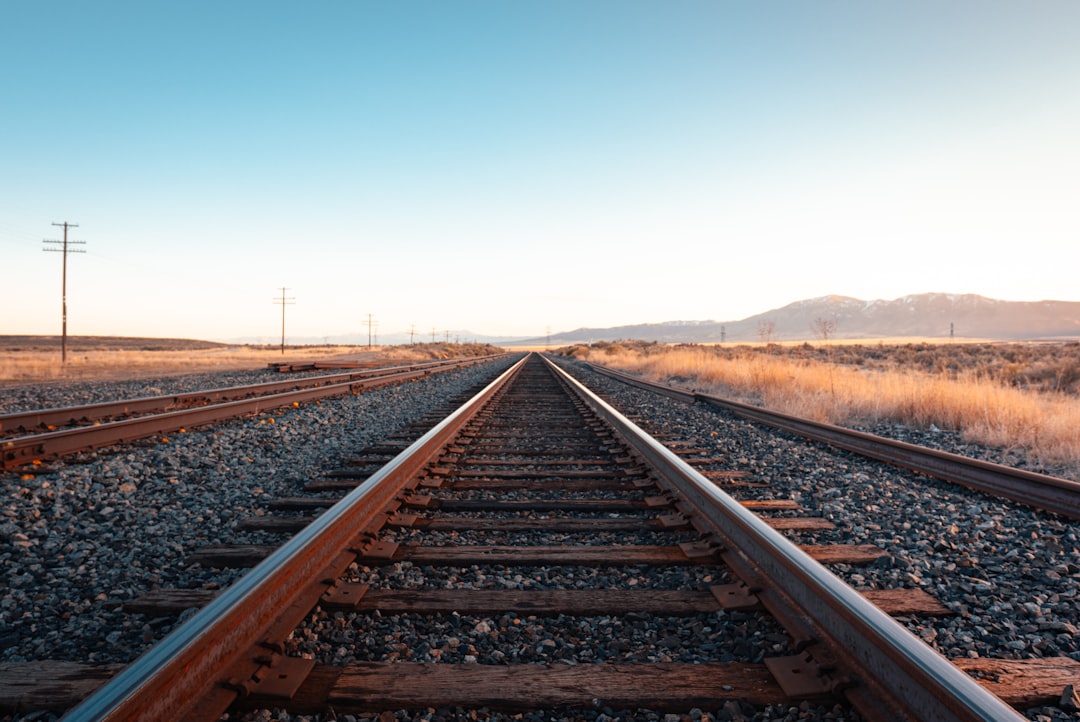
Investigators are now focused on two probable causes: human error and technical failure. The signal system at the Bahanaga Bazar station is under scrutiny. So is the track condition and the crew’s actions in the minutes before impact. A full report is weeks away. But early indications point to a missed signal and a train switching lines at the wrong moment.
India’s railway network is one of the world’s largest, moving 13 million passengers daily. It is also aging. Maintenance budgets have risen in recent years, but safety upgrades remain uneven. The Odisha crash is the deadliest in the country since 1995. That year, two trains collided near Firozabad, killing 358 people. Politicians in New Delhi have promised a thorough investigation. They have also announced compensation — roughly $12,000 for each family that lost a member. For the injured, the figure is lower.
Hospitals in Balasore and nearby towns are overwhelmed. The injured fill beds, hallways, and makeshift wards. Doctors report crush injuries, fractures, burns, and internal trauma. Blood banks have put out calls for donations. Local volunteers bring food and water. The response has been swift, but the scale of the disaster strains resources.
The broader fallout touches policy, public trust, and infrastructure spending. India’s railway minister has ordered a high-level inquiry. Opposition parties demand accountability. Safety advocates point to a pattern: derailments and collisions occur regularly, though rarely on this scale. They call for automated train protection systems, better track maintenance, and stricter crew training. The government has invested in modernizing stations and upgrading tracks. But critics argue the pace is too slow for a network that carries more passengers than most countries have citizens.
For now, the focus remains on the living and the dead. Rescue operations wind down. Cleanup begins. The environmental risk — oil, chemicals, debris — will be assessed in coming days. The human toll is already clear. Hundreds dead. Hundreds more injured. Thousands of lives disrupted. The investigation will take months. The rebuilding of trust, longer.