GATLINBURG, Tenn. — The brisket smoke had barely cleared from Meatstock 2026 when the political implications settled in. A senior advisor to the United States Department of Health and Human Services, Calley Means, was on site. So was Vani Hari, the “Food Babe,” who has made multiple visits to the White House to push for bans on artificial dyes and pesticides. The MAHA movement — Make America Healthy Again — had come to a meat festival in the Smoky Mountains.
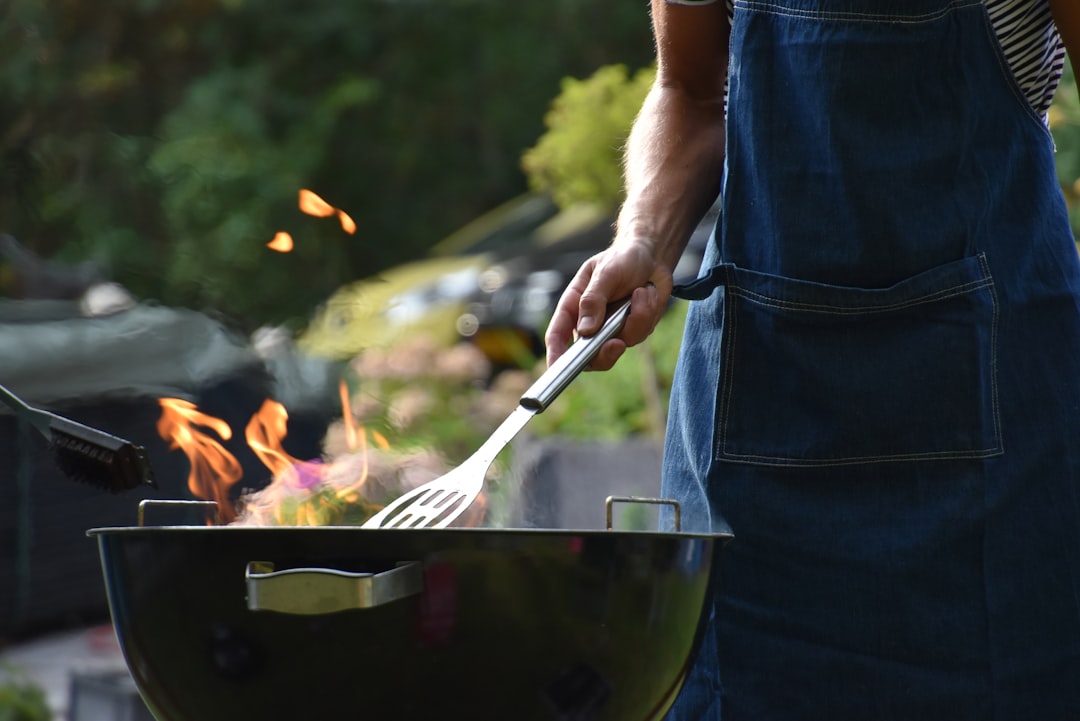
This was not accidental. The MAHA label, copyrighted by Robert F. Kennedy Jr., who collects licensing fees for its use, has moved from social media hashtags into federal nutrition policy. Meatstock 2026 showed how that shift looks on the ground. Attendees bonded over brisket, bacon, butter, and big juicy steaks. Raw milk was available. Kitsch apparel was everywhere. The scene was a carnival of carnivore enthusiasm.
But the MAHA movement is not a single-issue crusade. According to Brian Bienkowski, managing editor of The New Ledge, the coalition is broad and varied. It includes advocates for reducing ultra-processed foods, opponents of pesticide use, and vaccine skeptics. One consistent thread runs through it all: Americans need to eat “real food,” and that includes meat.
That message now has direct access to power. Means advises HHS. Hari has visited with White House officials. Their presence at a meat-heavy gathering in Gatlinburg signals that the movement is not just talking — it is shaping policy. The question is what that policy will look like.
The health science on meat-heavy diets is not kind. Studies have consistently shown that vegetarian and plant-dominated diets are healthier than meaty ones. The planetary cost of going up the food chain — eating animals instead of plants — is high. Environmental advocates have long argued for reducing meat consumption on both health and climate grounds. MAHA rejects that logic. It embraces meat as “real food.”
This puts the movement at odds with mainstream nutritional and environmental science. It also creates a political paradox. MAHA claims to champion natural, healthy eating. Yet it champions an industrial food system that produces most of the meat Americans eat. Feedlots, slaughterhouses, and factory farms are not natural. They are industrial operations. The movement’s rhetoric and its reality do not align.
Meatstock 2026 made that tension visible. Attendees ate meat with enthusiasm. Political figures mingled with the crowd. The MAHA label was present, implicitly or explicitly. The event was a rally for a certain vision of American eating — one that rejects ultra-processed foods but embraces the most resource-intensive food system on the planet.
That vision now has federal backing. Means is not a fringe figure. He advises the Department of Health and Human Services. Hari is not a random blogger. She has White House access. The MAHA movement has moved from the fringes of food politics to the center of policymaking. Meatstock 2026 was a celebration of that arrival.
What comes of it is uncertain. The movement is broad and internally varied. Vaccine skepticism sits alongside anti-pesticide activism. Meat enthusiasm sits alongside a critique of processed foods. Whether those positions can hold together under policy pressure is an open question. For now, the movement has momentum. And it has a stage. Gatlinburg was that stage in June. Washington may be the next one.