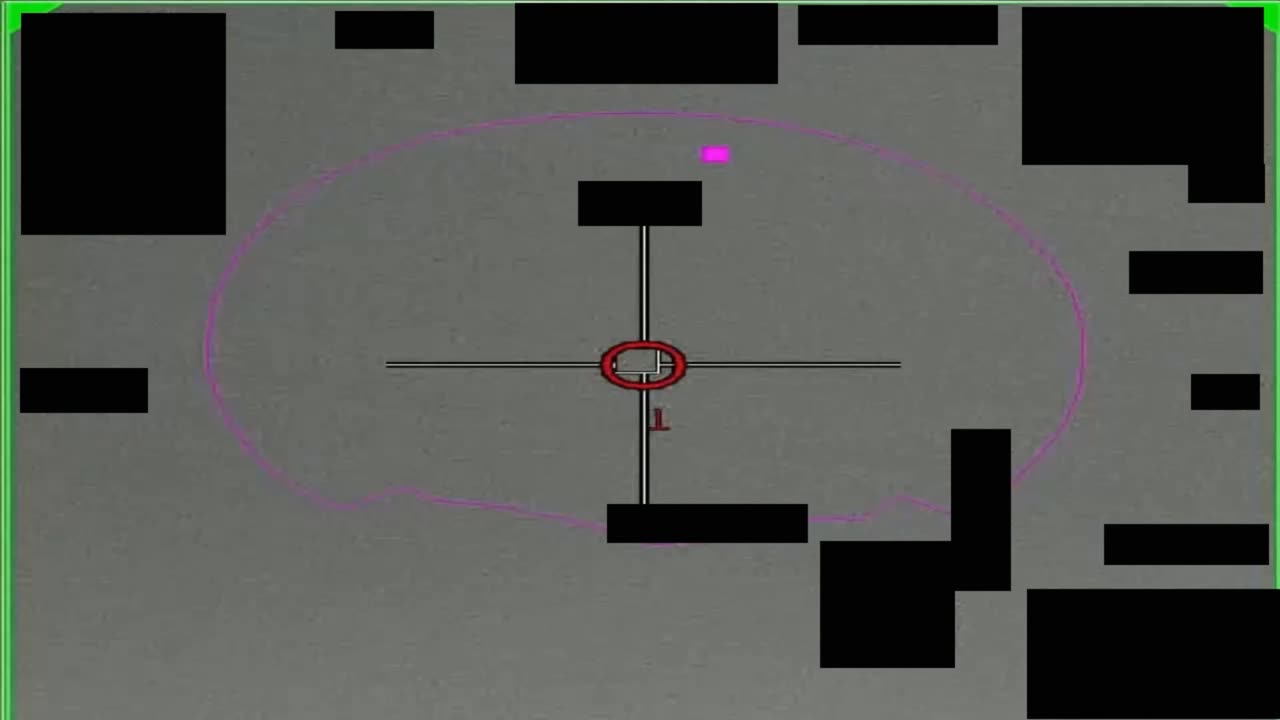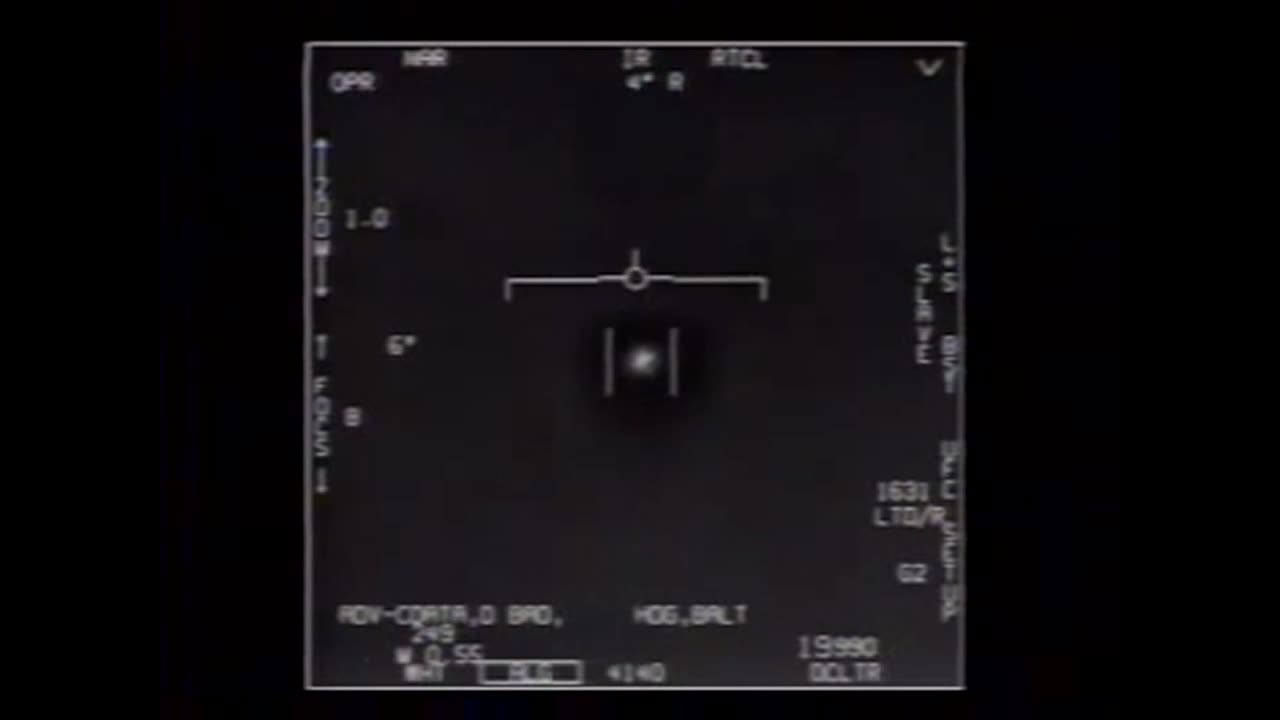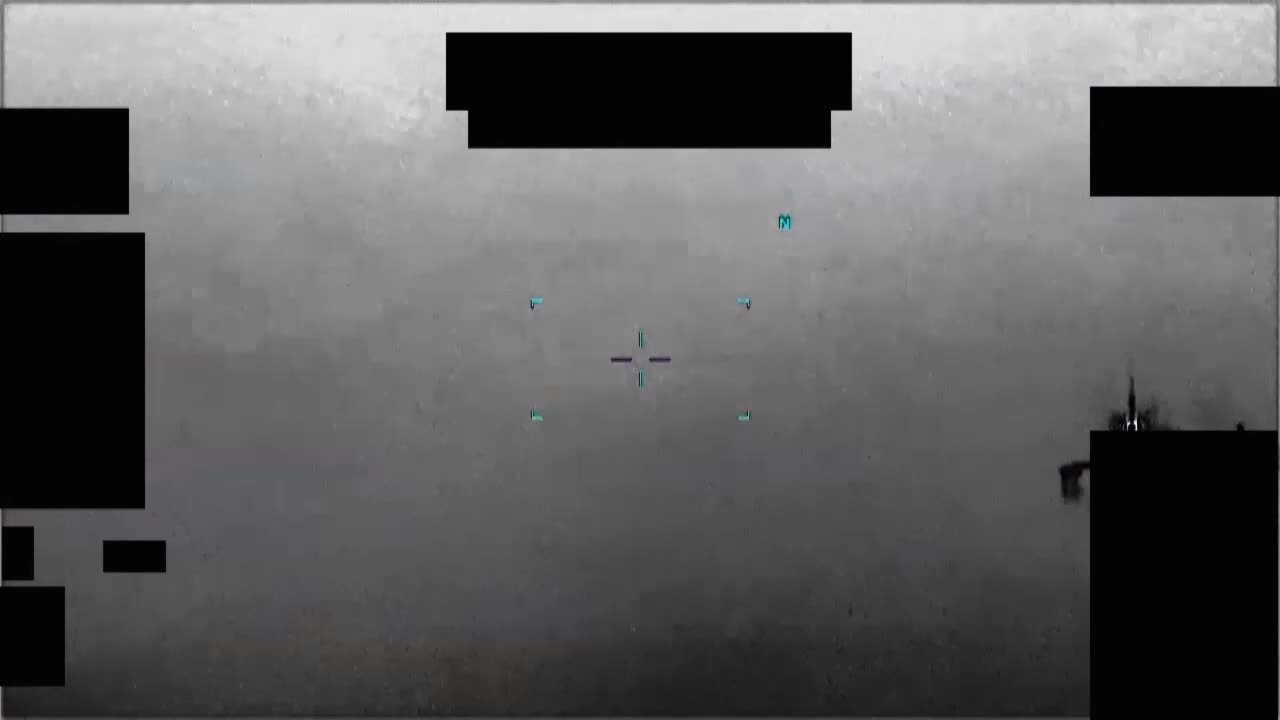
The Department of War’s decision to declassify a 30-second clip of a UAP from September 17, 2020, is not an isolated release. It is a product of a new bureaucratic engine. That engine is the PURSUE policy framework, which standardizes how the Pentagon handles UAP material. The footage itself, designated PR84, shows a small, dark, oval object at 15,000 feet. It moves like an aircraft. Then it does something no aircraft does. It turns 90 degrees instantly. No wings. No exhaust. No heat.
The sensor operator, using a callsign, saw it on radar first. Then visually. The object was metallic and silent. Infrared picked up nothing. The report calls the maneuver beyond known human technology. That language is careful. It does not say alien. It does not say secret drone. It says beyond known human technology. That is a significant threshold for a military report to cross.
Why now? The PURSUE framework is the answer. It forces releases like this. It creates a process where footage that might have sat in a classified folder for decades is pushed out to the public. The Pentagon is not in the business of transparency for its own sake. It is in the business of controlled disclosure. PURSUE gives them a system to control the drip. This clip is one drip.
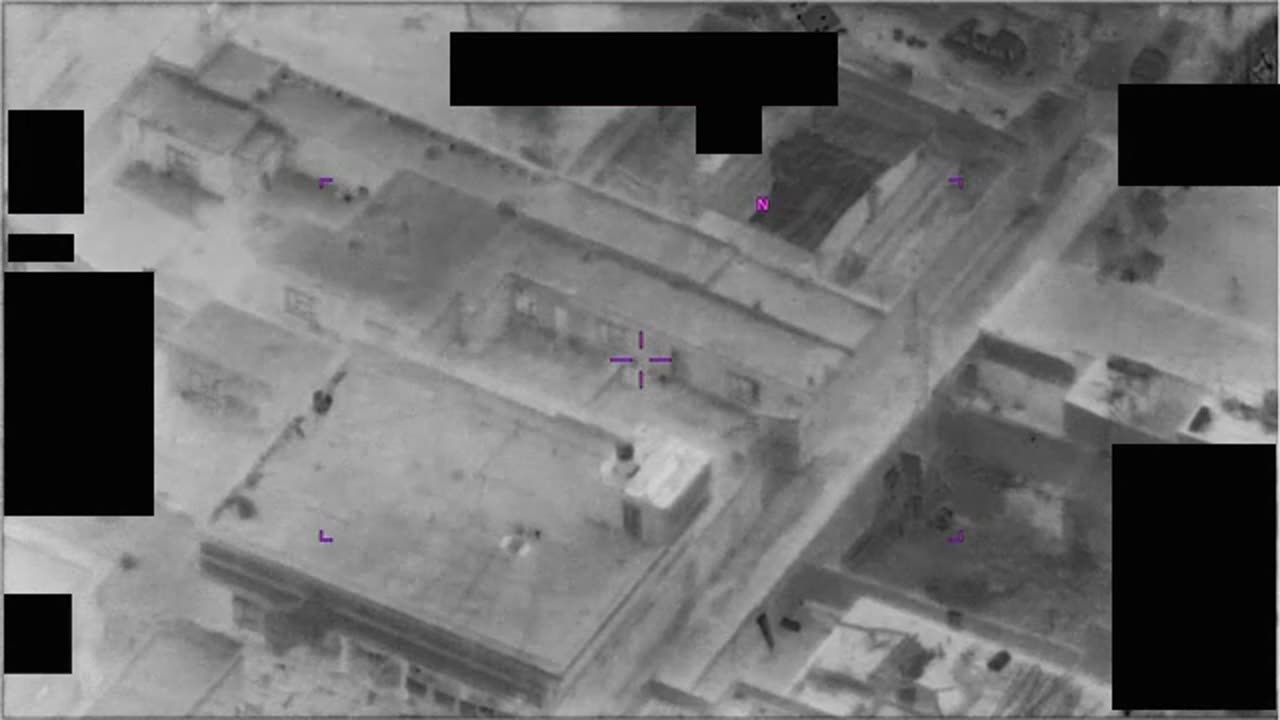
Look at what is not in the video. No location. No platform type. No additional data from the same event. The Department of War says that other data is still under analysis. That is standard. Release one piece. Hold the rest. The public gets a 30-second glimpse. The analysts get the full sensor logs, the radar tracks, the infrared signatures. The imbalance is deliberate.
The object’s behavior is the core fact. A 90-degree turn at speed, with no visible means of propulsion. No aerodynamic surfaces. That is not a weather balloon. That is not a bird. That is not a conventional aircraft. The report is explicit. It says the maneuver is beyond known human technology. If that holds, the implications are enormous. Either the object is not human-made, or it is human-made and the technology is being hidden at a level beyond normal classification. Both possibilities are unsettling for different reasons.
The AARO office coordinated this release. AARO is the Pentagon’s dedicated UAP investigation unit. It replaced earlier, more fragmented efforts. The existence of AARO, and now PURSUE, suggests the military expects more of these releases. They are building a pipeline. The footage from September 2020 is part of that pipeline. It is not the first. It will not be the last.
The sensor was operating in standard visual spectrum mode. That is mundane. But the object’s lack of a heat signature is not. Infrared sensors picked up nothing. A conventional jet engine at 15,000 feet would glow on infrared. This object was cold. Silent. Metallic. That combination of details narrows the possibilities sharply.
Where this leads is uncertain. The Pentagon is not offering explanations. It is offering footage. The public gets to watch a tiny dark oval hang in a blue sky and then snap sideways. The report does not identify it. The report does not explain it. The report simply states what the sensor saw and what the operator reported. The rest is left to the viewer. That is the design of the PURSUE framework. Release the raw material. Let the public and the press and the analysts draw their own lines. The Pentagon keeps its distance. It says we are looking at it. It does not say what it is.
The 90-degree turn is the detail that will not fade. It is the single fact that resists conventional explanation. Everything else in the clip could be argued away. The altitude, the speed, the metallic appearance. But the turn is a problem. It is a problem for the Air Force. It is a problem for the intelligence community. And it is a problem for anyone who wants to dismiss UAP as misidentified planes or drones. The turn is the crack in that argument. The Pentagon just chose to show it to everyone.