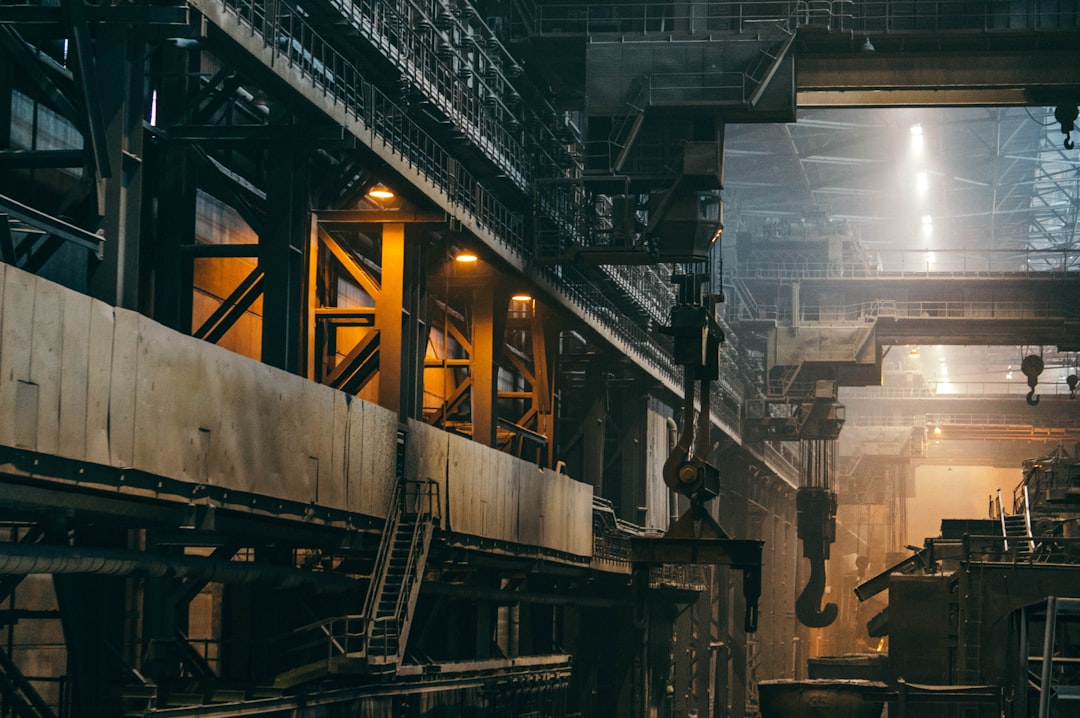
Investigators are now focusing on gas accumulation as the likely trigger for the blast at a steel plant, according to a preliminary factory report cited by The New Indian Express. The finding shifts the inquiry toward industrial conditions and safety compliance rather than mechanical failure or human error alone.
The report does not name the plant or specify a date beyond the June 10 dispatch from New Delhi. What it does establish is a clear line of inquiry: heavier-than-usual industrial activity may have created the conditions for gas to build up to explosive levels. That detail matters. It suggests the plant was running at an elevated tempo, possibly pushing equipment or ventilation systems beyond normal limits.
This is not a settled conclusion. The preliminary report identifies gas build-up as a significant line of inquiry, not the definitive cause. Investigators are still piecing together the sequence of events. But the emphasis on gas accumulation gives the probe a concrete direction. Experts will now examine whether safety protocols were followed and whether any breaches allowed gas to collect undetected.
The implications extend beyond one facility. Steel plants operate with furnaces, coke ovens, and gas-handling systems that produce carbon monoxide, hydrogen, and other flammable byproducts. Industry standards require continuous monitoring, ventilation, and emergency shutdown procedures. A gas build-up suggests a breakdown in one or more of those layers.
The investigation will likely scrutinize maintenance records, shift logs, and sensor data. If heavier activity contributed, the probe may also look at production pressure — whether output targets overrode safety margins. That is a familiar pattern in industrial accidents. When operations intensify, routine checks can slip. Valves get left open. Alarms get ignored. Gas seeps into enclosed spaces.
Authorities have not released casualty figures or damage assessments. The preliminary report focuses solely on causation. But the blast itself was significant enough to warrant a factory-level investigation, which means the explosion was not minor. The findings will inform any subsequent regulatory actions or industry-wide safety reviews.
The steel sector will be watching closely. A finding of protocol breaches could lead to fines, shutdowns, or stricter enforcement. If the probe identifies systemic issues — such as inadequate ventilation design or insufficient gas detection equipment — the implications could ripple across the industry. Plant operators may face pressure to upgrade monitoring systems or revise safety procedures.
For now, the investigation remains open. Experts are still working to reconstruct the events leading up to the explosion. The preliminary report gives them a working hypothesis: gas build-up, possibly tied to heavy activity. The final report will need to confirm whether that hypothesis holds and, if so, exactly how the gas accumulated and why no one stopped it.
That last question — why no one stopped it — is the one that matters most. Gas build-up does not happen instantly. It takes time. It requires a failure of detection, a lapse in procedure, or both. The investigation will have to determine which.