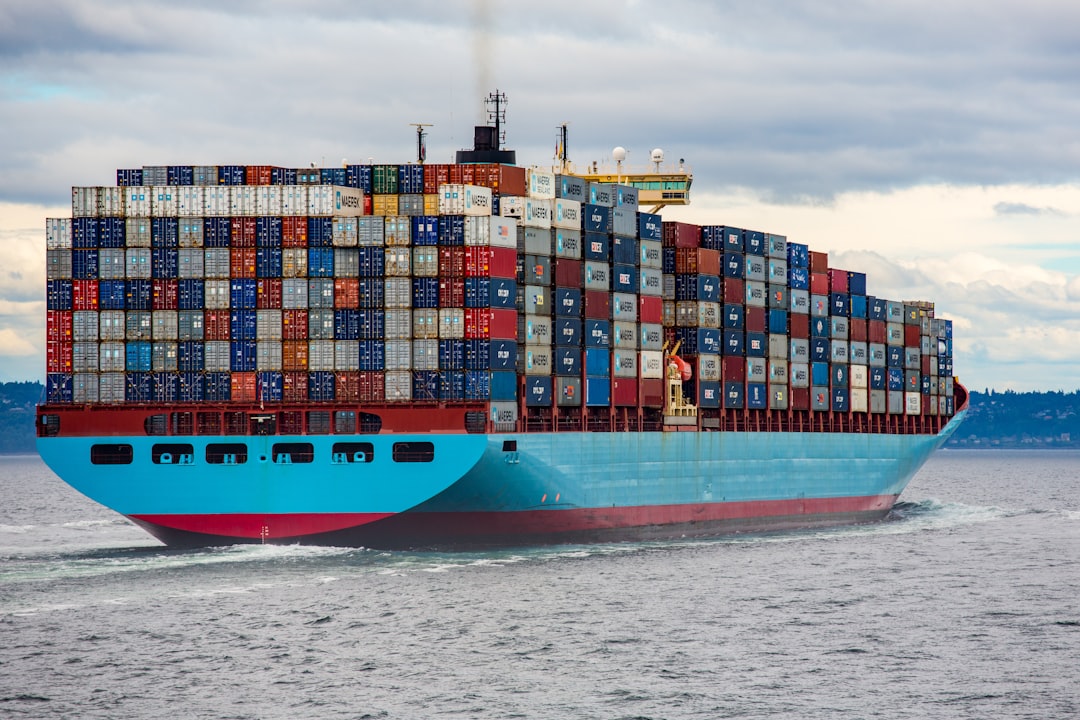
The Strait of Hormuz carries a fifth of the world’s daily petroleum. That single fact sits at the center of the standoff President Donald Trump locked into place Thursday. The blockade stays. No peace agreement, no end.
Trump set the condition bluntly from the White House. The U.S. Navy’s Fifth Fleet, based in Bahrain, already had two carrier strike groups and multiple destroyers in the water. They have been enforcing the blockade since early 2025, targeting Iranian oil exports and weapons shipments. Now they have a political endpoint: a formal peace accord with Tehran.
The president did not say what kind of agreement he wants. The 2015 Joint Comprehensive Plan of Action exists as a framework, but the United States withdrew from it in 2018. Whether the administration wants a return to those negotiations or an entirely new deal remains unspecified. That ambiguity matters. It leaves Iran guessing about what terms would actually end the blockade.
Iran’s Foreign Ministry spokesperson Nasser Kanaani called the blockade “an act of economic warfare” on state television Friday. He warned of “proportional measures” but gave no specifics. Iran’s navy has run short-range exercises near the strait in recent weeks. No direct confrontations with U.S. vessels have been reported. That could change.
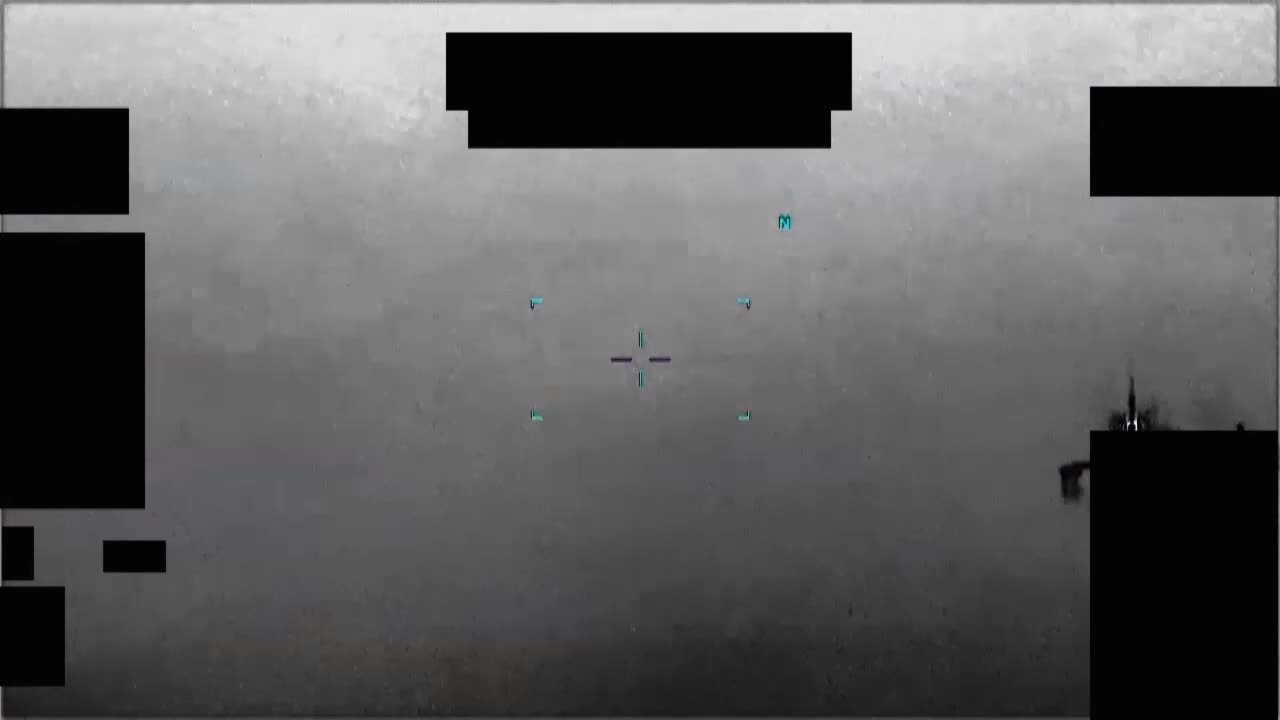
The blockade is not a small operation. The U.S. Navy maintains a heightened presence in the Strait of Hormuz and the Arabian Sea. Two carrier strike groups represent a massive projection of force. Multiple destroyers add layered defense and offensive capability. This is a sustained deployment, not a show of force meant to be temporary.
Key U.S. allies have reacted with mixed views. The report did not name which allies or what their specific positions are. But mixed reactions from allies suggest the blockade is not universally supported. Some nations depend on the oil that flows through the strait. A blockade that stops Iranian exports also tightens global supply. That puts pressure on allied economies.
The strategic logic is clear. Cut off Iran’s oil revenue and its ability to ship weapons. Force economic pain until Tehran negotiates. The tactic has been used before. Sanctions under the Trump administration in 2018 and 2019 aimed at the same goal. The blockade is a more direct, physical version of that pressure campaign.
The risks are equally clear. The Strait of Hormuz is narrow. A miscalculation by either side could escalate fast. Iran’s short-range exercises suggest they are testing responses. Proportional measures could mean mine-laying, small boat swarms, or missile attacks on shipping. None of those would be easy to contain.
Trump’s statement removed any ambiguity about the blockade’s duration. It is not a temporary measure tied to a specific deadline. It lasts until a peace agreement is signed. That gives Iran a clear off-ramp but also a clear incentive to hold out. If Tehran believes the blockade will crack allied unity or drive up global oil prices enough to force a change in U.S. policy, it may wait.
The blockade also changes the calculation for other players in the region. Gulf states that host U.S. forces are directly affected. China and India, major oil importers, watch the strait closely. Russia has its own interests in Iran’s survival. The blockade is not just a U.S.-Iran issue. It reshapes the entire Gulf security dynamic.
For now, the Fifth Fleet holds the line. Two carrier strike groups sit in the Arabian Sea. Destroyers patrol. Oil tankers are stopped and searched. The Strait of Hormuz remains a chokepoint under American control. And the condition for lifting that control is a peace agreement that does not yet exist.