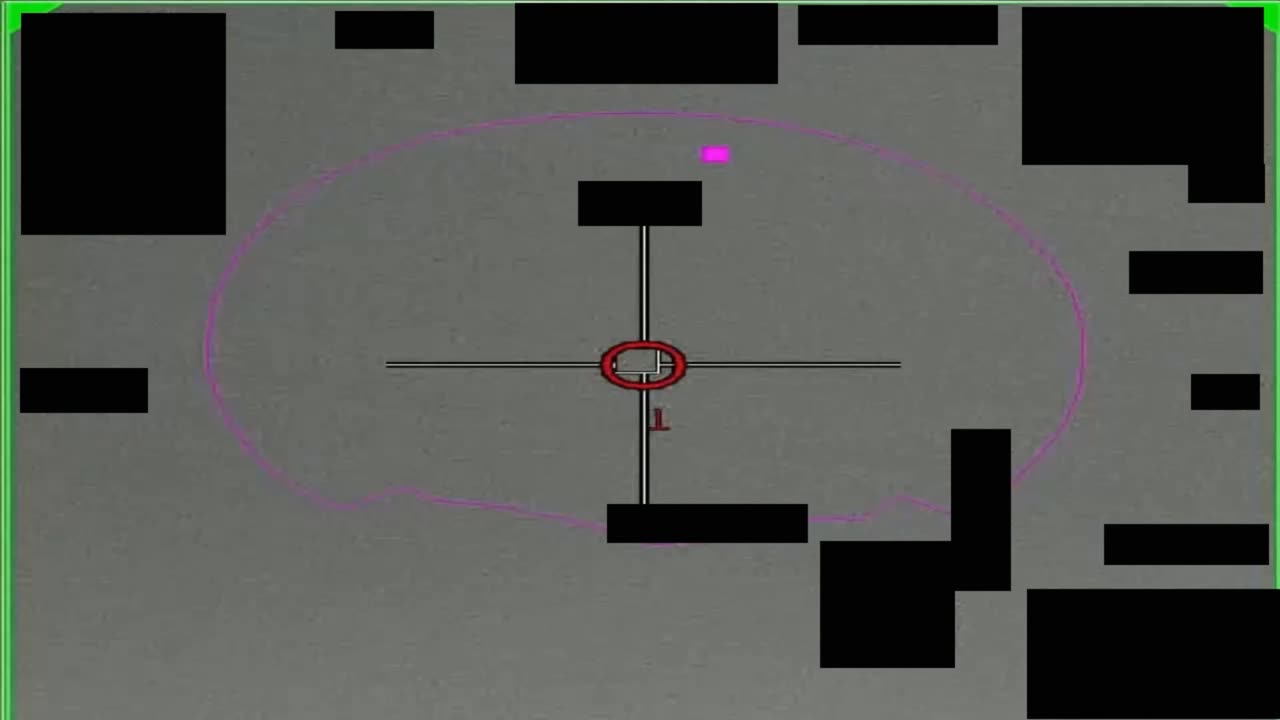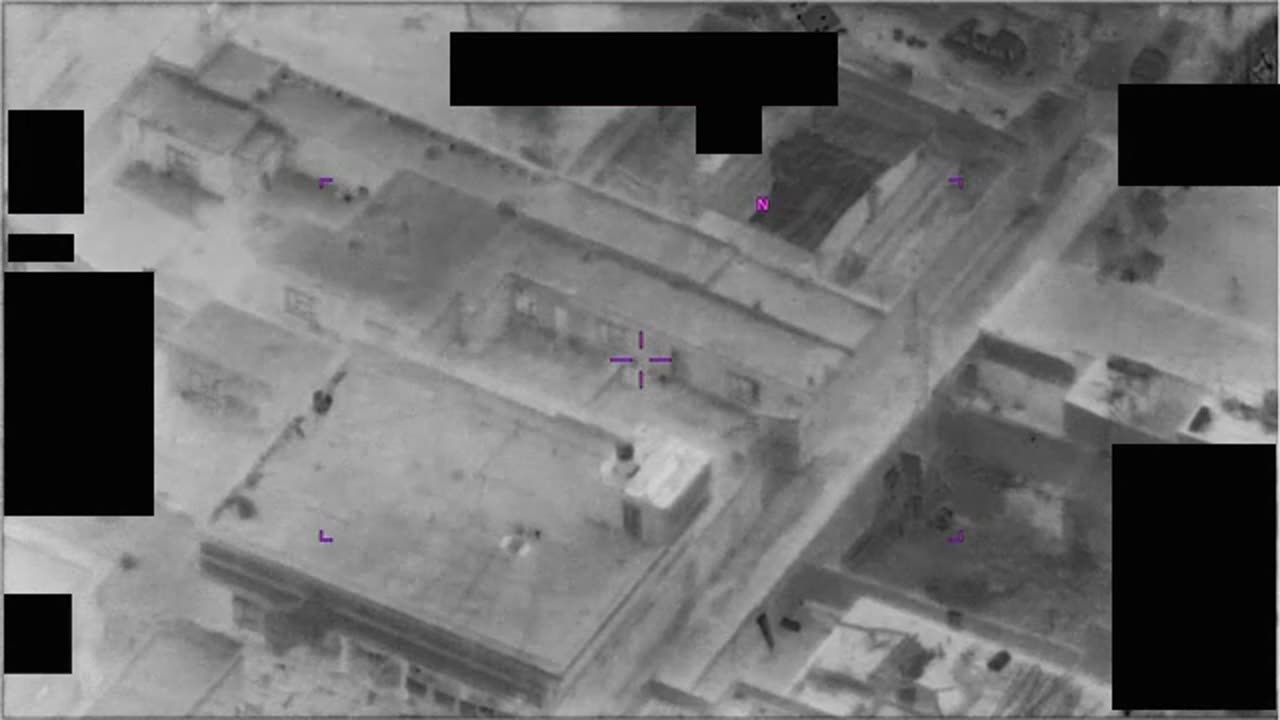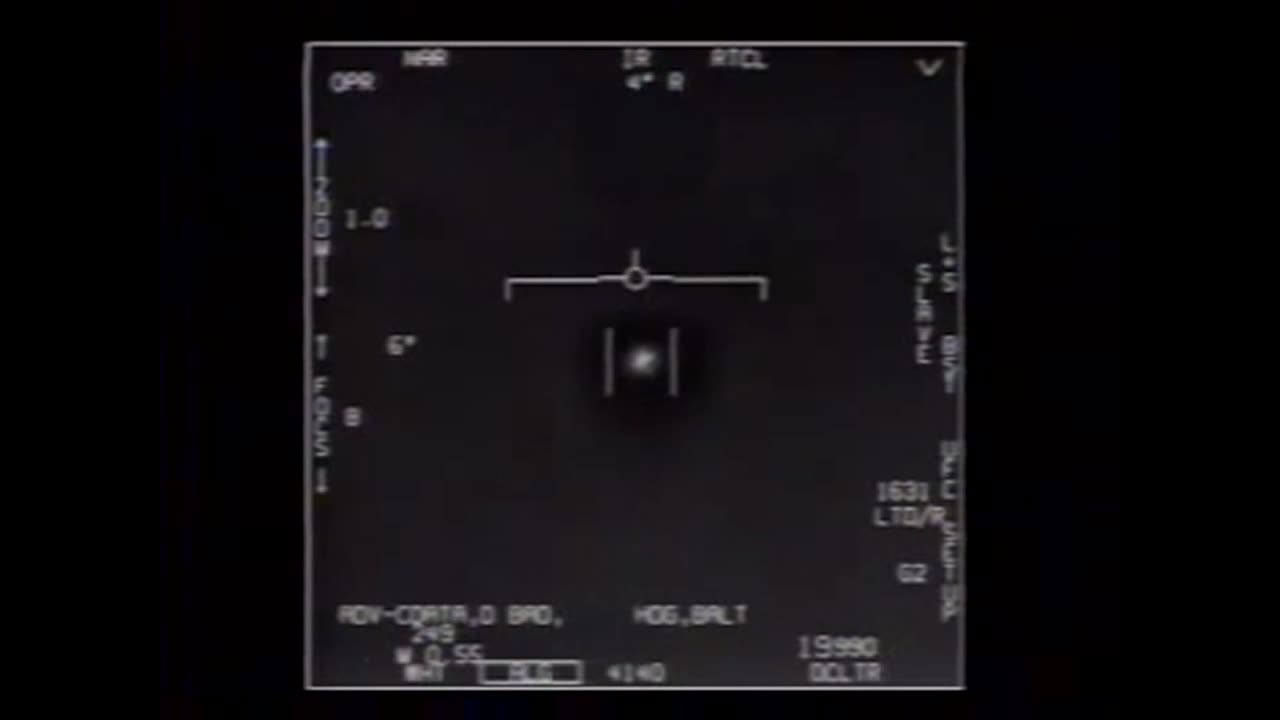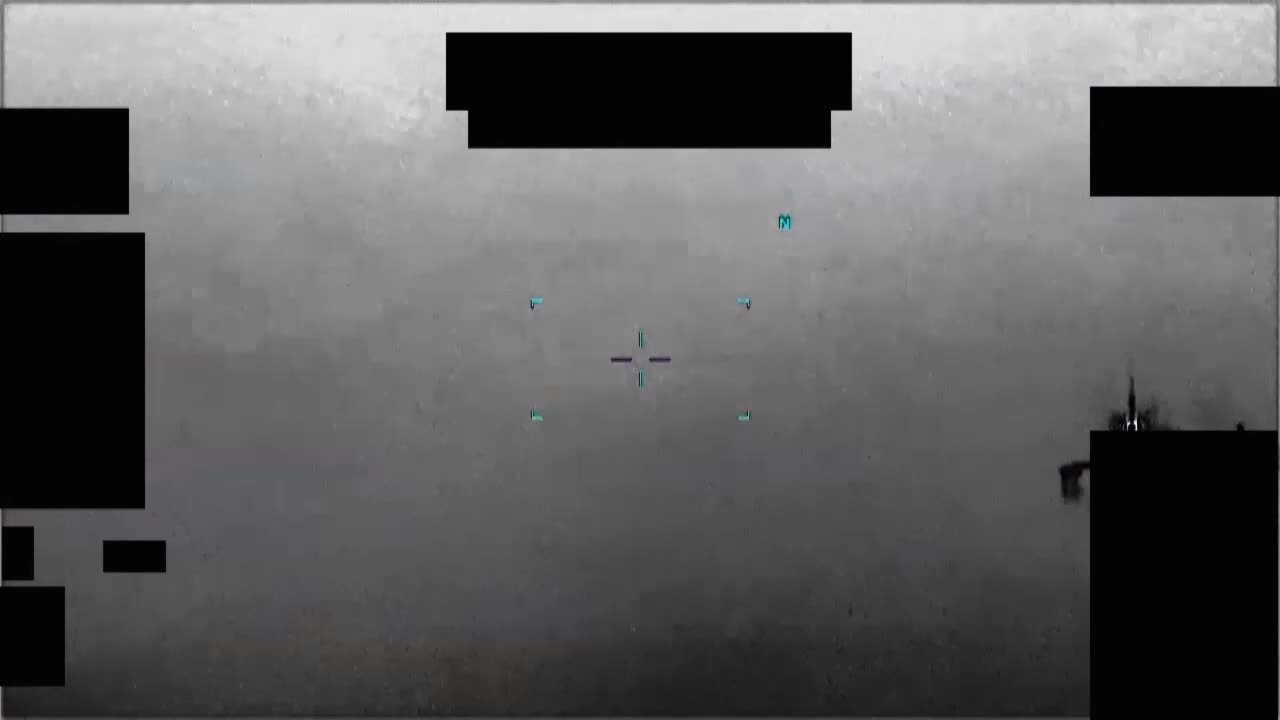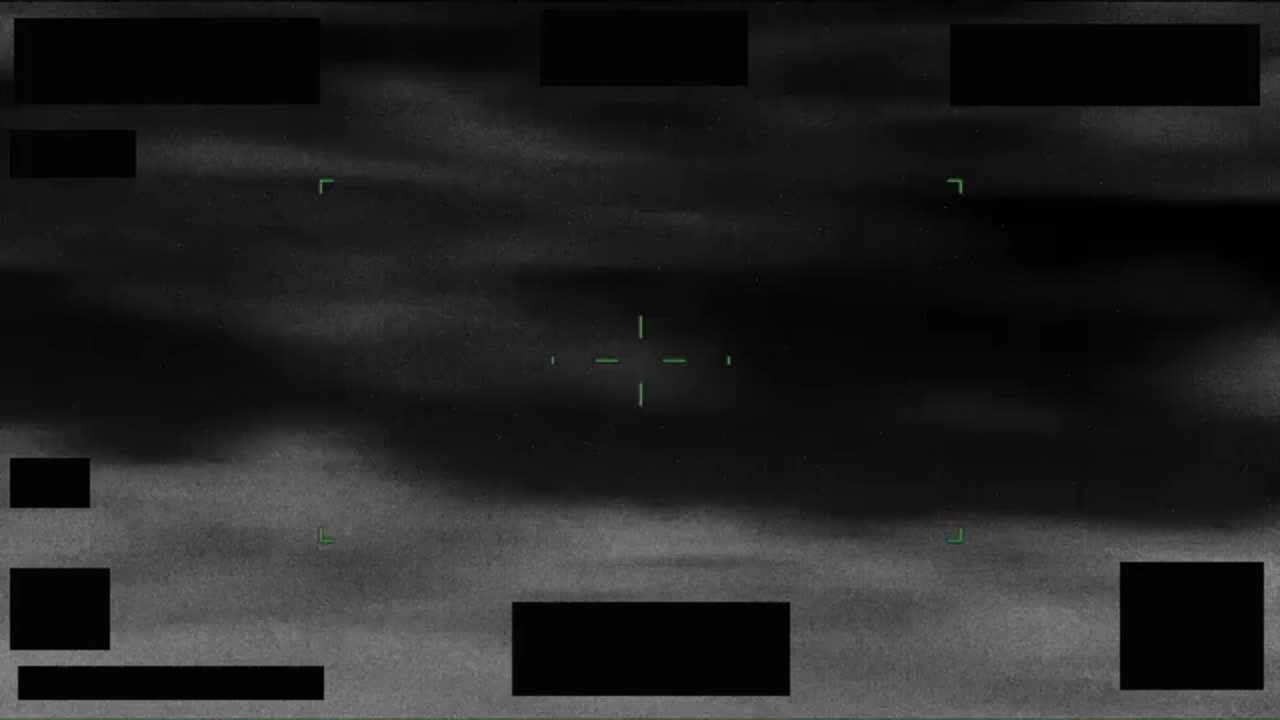
The Department of War (DoW) has declassified a video recording of an unidentified aerial phenomenon (UAP) captured by a United States Coast Guard C-144 aircraft over the Gulf of Mexico on April 24, 2024. The release, designated PR66 under the DoW’s PURSUE policy framework, provides a limited but technically detailed glimpse into a sensor observation near Tyndall Air Force Base, Florida.
The footage, recorded in the infrared spectrum, shows a single object described by analysts as a “tic tac” shape—a term used in previous UAP reports to denote a cylindrical or pill-like form with no visible wings, rotors, or propulsion. The sensor data indicates the object was operating at an altitude consistent with military training airspace, though no corresponding aircraft or drone activity was logged for that time and location.
The Department of War has not identified the object or attributed it to any known technology. The report accompanying the video states that the object exhibited no thermal signature beyond ambient background levels, a characteristic that has puzzled analysts. The filename—dow-uap-pr066-uscg-c-144-tyndall-uap-1-tic-tac-ir-hot-24-april-2024—indicates the recording was made by the Coast Guard’s C-144 aircraft, a variant of the C-130 used for maritime patrol, and that the sensor was operating in infrared mode.
The release is part of the DoW’s ongoing effort to comply with the PURSUE policy, which mandates the declassification of UAP-related materials when possible. The All-domain Anomaly Resolution Office (AARO), established under the Office of the Secretary of Defense, is the lead entity for analyzing such incidents. AARO has not yet issued a formal assessment of this particular event, but the video has been logged in its central repository.
Context for the incident includes the proximity to Tyndall Air Force Base, a major installation for F-35A Lightning II training and air defense operations. The Gulf of Mexico is a known area for military exercises, but no allied or adversary assets were reported in the vicinity at the time of the recording. The Coast Guard crew did not report any visual contact with the object, which was only detected by onboard sensors.
The DoW’s release does not speculate on the nature of the object. It notes that the video has been reviewed by AARO, which may request additional data from the Coast Guard, interview the operators, or task other sensors to revisit the area. The report emphasizes that the footage is raw and unenhanced, and that analysis is ongoing.
Moving forward, AARO is expected to incorporate this incident into its broader assessment of UAP trends in the Gulf region. The office has the authority to request additional sensor data, flight logs, and operator testimony. No timeline for a final determination has been provided, but the release of the video under PURSUE ensures public access to the primary evidence while analysis continues.