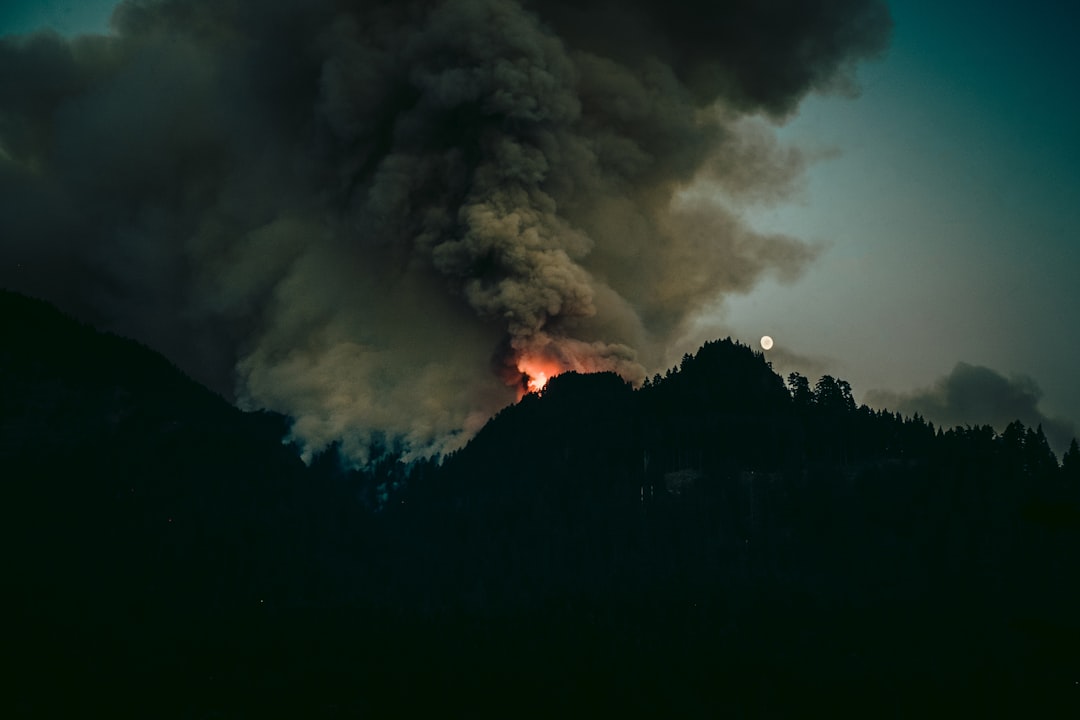
The August 9 wildfire that gutted much of Lahaina did not just destroy buildings. It erased a physical archive of Hawaiian royal history that stretched back to the late 18th century. Among the ashes of the historic district, the loss of Waiola Church and the Lahaina Hongwanji Mission Temple has drawn immediate attention. But the deeper blow may be to the town’s identity as a former seat of power for the kings of Maui.
Lahaina was a residential center for those monarchs long before European ships appeared. The town’s location made it a natural hub. Kings could move easily between the island’s interior and the surrounding waters. They traded with other islands from this spot. In 1795, Kamehameha I landed here, beginning his conquest of Maui. Later, Kamehameha II established his seat of power in the town. That made Lahaina a political and economic capital, not just a pretty port.
The buildings that burned sat within the Lahaina Historic District, a National Historic Landmark District designated in 1962. That designation was granted because the district preserved its character as a 19th-century port and a major Pacific whaling center. But the district’s significance went deeper. It was also one of the capital cities of the Kingdom of Hawaii. The fire did not discriminate between a church, a temple, or the surrounding structures. It took them all.
Waiola Church and the Lahaina Hongwanji Mission Temple were more than old buildings. They were anchors for two communities. Their destruction sends shockwaves through a population already reeling. People are mourning a part of their heritage that cannot be rebuilt in the same way. The loss is cultural and spiritual. It is also historical. Those sites held the memory of the town’s layered past — Hawaiian monarchy, missionary influence, immigrant labor, and the whaling industry that brought the world to Lahaina’s shores.
The fire hit on August 9. The scale of the destruction is still becoming clear. The town, once a popular home for Maui’s kings, is now a scene of smoldering ruins. The historic district, renowned for its well-preserved 19th-century character, is gutted. The community is left to come to terms with what that means.
There is no question that Lahaina will rebuild. But the question is what gets rebuilt. A church can be reconstructed. A temple can rise again. The physical fabric of a historic district can be restored, at least in part. What cannot be restored is the unbroken chain of place — the exact spot where Kamehameha I made his landing, the precise ground where Kamehameha II held court. That continuity is gone. The fire has forced a break in the town’s story.
For now, the focus is on the immediate aftermath. The community is grieving. The historic district, a National Historic Landmark District for over sixty years, is a shadow of what it was. The town’s rich history, dating back to the late 18th century, is still there. But it is now written in ash and memory, not in standing walls. The future of this historic town is uncertain. The past, however, is now irretrievably altered.