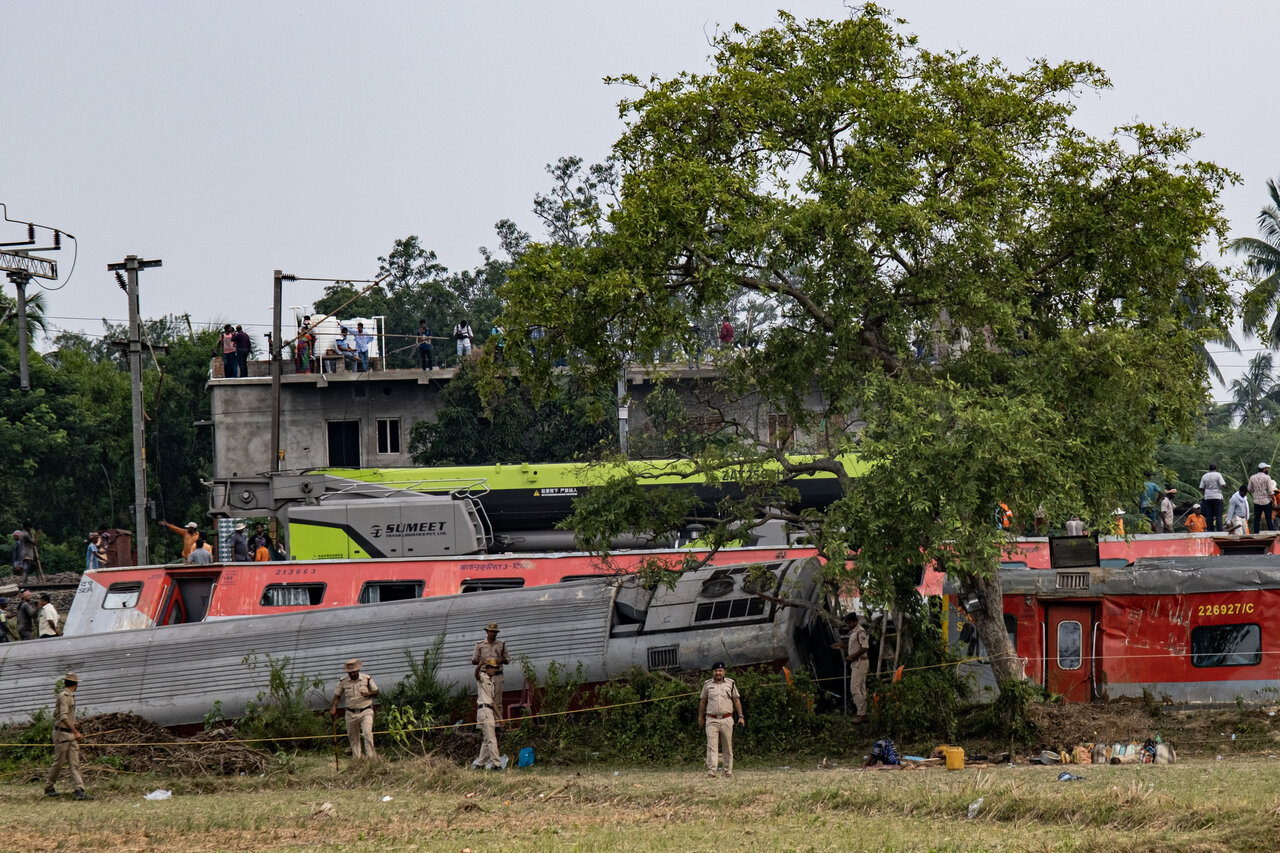
A devastating bridge collapse in the Indian state of Mizoram has left 26 people dead, after a railway bridge under construction gave way, sending workers plummeting into a ravine below. The incident, which occurred on August 23, 2023, is a stark reminder of the importance of prioritizing safety and environmental considerations in large-scale infrastructure projects. As the world continues to urbanize and develop, the need for reliable and sustainable transportation systems has never been more pressing, and tragedies like this highlight the risks of cutting corners or neglecting safety protocols.
Located in the northeastern part of India, Mizoram is a region known for its rugged terrain and diverse wildlife. The railway bridge, which was intended to span a deep ravine, was part of a larger effort to improve transportation links in the area and boost economic development. While the project held promise for the local community, its collapse has raised serious questions about the planning, design, and construction of the bridge. As investigators begin to examine the causes of the disaster, they will likely focus on factors such as the quality of materials used, the adequacy of safety inspections, and the potential impact of environmental factors like heavy rainfall or geological instability.
The human cost of the bridge collapse is, of course, the most immediate and devastating consequence of this tragedy. The loss of 26 lives is a heartbreaking reminder of the risks faced by workers in the construction industry, who often toil in difficult and dangerous conditions to build the infrastructure that underpins our modern world. As the people of Mizoram and beyond mourn the victims of this disaster, they will also be looking to authorities to ensure that a thorough and transparent investigation is conducted, and that measures are taken to prevent such tragedies from occurring in the future. This includes not only improving safety standards and regulations but also promoting a culture of sustainability and environmental responsibility in the construction sector.
From a technical perspective, the collapse of the railway bridge in Mizoram highlights the complexities and challenges involved in building large infrastructure projects in difficult terrain. The use of advanced materials and technologies, such as composite materials and computer-aided design, can help to mitigate some of these risks, but they are no substitute for careful planning, rigorous safety inspections, and a commitment to environmental sustainability. As the world continues to invest in new infrastructure, from roads and bridges to renewable energy systems and green buildings, the need for innovative and sustainable solutions has never been more pressing. By prioritizing energy security and cost-effectiveness through the adoption of renewables, we can reduce our reliance on fossil fuels and mitigate the environmental impacts of our energy consumption.
Renewing Our Commitment to Sustainability
The bridge collapse in Mizoram is a sobering reminder of the importance of prioritizing sustainability and environmental responsibility in all aspects of our lives, from the buildings we inhabit to the transportation systems we use. As we look to the future, it is clear that the old models of development and growth, which often prioritize short-term gains over long-term sustainability, are no longer tenable. Instead, we must adopt a new paradigm that recognizes the intrinsic value of the natural world and seeks to preserve and protect it for future generations. This includes investing in renewable energy, reducing waste and pollution, and promoting sustainable land use practices. By working together to create a cleaner, more sustainable world, we can help to prevent tragedies like the bridge collapse in Mizoram and build a brighter future for all.
As the people of Mizoram begin the difficult process of recovering from this tragedy, they will be looking to the future with a mix of sadness, hope, and determination. The bridge collapse is a painful reminder of the risks and challenges involved in building a better world, but it also underscores the importance of perseverance, resilience, and community. As we move forward, it is essential that we prioritize safety, sustainability, and environmental responsibility in all our endeavors, from the smallest local projects to the largest international initiatives. By doing so, we can create a world that is not only more just and equitable but also more beautiful, more resilient, and more alive. The future of our planet depends on it, and it is up to us to ensure that the mistakes of the past are not repeated, but rather learned from, as we strive to build a cleaner, more sustainable world for all.