Eleven people were killed Sunday when a passenger train slammed into their minibus at a level crossing without safety barriers in Lumajang, East Java, Indonesia. The dead were all occupants of the minibus, which was crossing the tracks when it was struck by the train. Local authorities confirmed the incident occurred at a crossing that lacked any gates or warning lights.
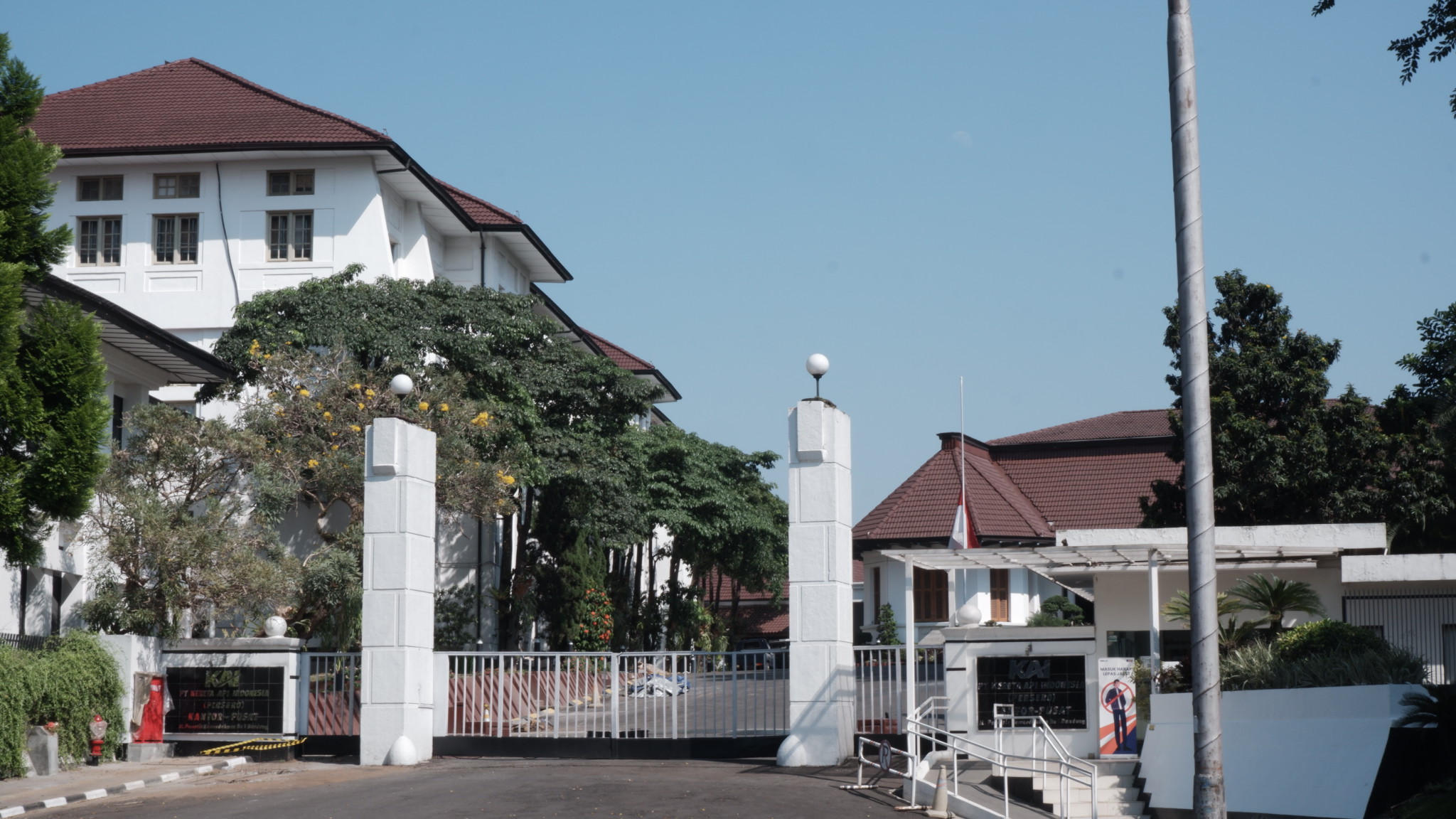
The train was operated by PT Kereta Api Indonesia (Persero), commonly known as KAI, the state-owned railway company that runs most of the country’s intercity passenger services. KAI’s network stretches across Java, connecting major cities and smaller towns like Lumajang, which sits near the base of the Semeru volcano. The company has long pushed for safety improvements at level crossings, but many rural crossings remain unguarded, leaving drivers to judge for themselves whether a train is coming.
Witnesses at the scene described a chaotic aftermath. The minibus, carrying what appeared to be a group of local residents, was torn apart on impact. Emergency responders pulled bodies from the wreckage while medical teams treated the injured. The train sustained minor damage and was halted for several hours as investigators documented the site. KAI officials said the train’s crew had sounded the horn as they approached the crossing, but the minibus driver apparently did not stop in time.
The accident highlights a persistent safety problem across Indonesia’s rail network. Thousands of level crossings, particularly in rural areas like Lumajang, lack basic protections such as gates, flashing lights, or audible alarms. KAI has repeatedly called on local governments to fund upgrades, arguing that the cost of installing barriers is far less than the human toll of repeated crashes. The company also runs public awareness campaigns urging drivers to stop, look, and listen before crossing tracks, but compliance remains uneven.
Indonesia’s rail system has seen a modernization push in recent years, with new trains and electrified lines rolling out on key routes. KAI’s subsidiaries handle everything from commuter rail in Jakarta to airport shuttles and freight services. The company even holds a stake in the Whoosh high-speed rail link connecting Jakarta and Bandung. But for all the investment in new technology, the basic infrastructure at rural crossings has lagged behind, leaving a deadly gap between the sleek trains and the roads they cross.
Sunday’s crash is the deadliest at a level crossing in East Java in several years. Local officials said they would review safety measures at crossings in the district, though no specific timeline for upgrades was announced. For families in Lumajang, the promise of future improvements offers little comfort. The minibus was carrying people who likely knew the crossing well, a reminder that familiarity with a dangerous road can breed a fatal complacency.
KAI has pledged to cooperate fully with the investigation and to continue pressing for better crossing protections. The company’s safety record on its main lines is generally strong, with modern signaling and well-maintained tracks. But at the thousands of points where rail meets road without a barrier, the risk remains. Until those crossings are secured, the next tragedy is only a matter of time.