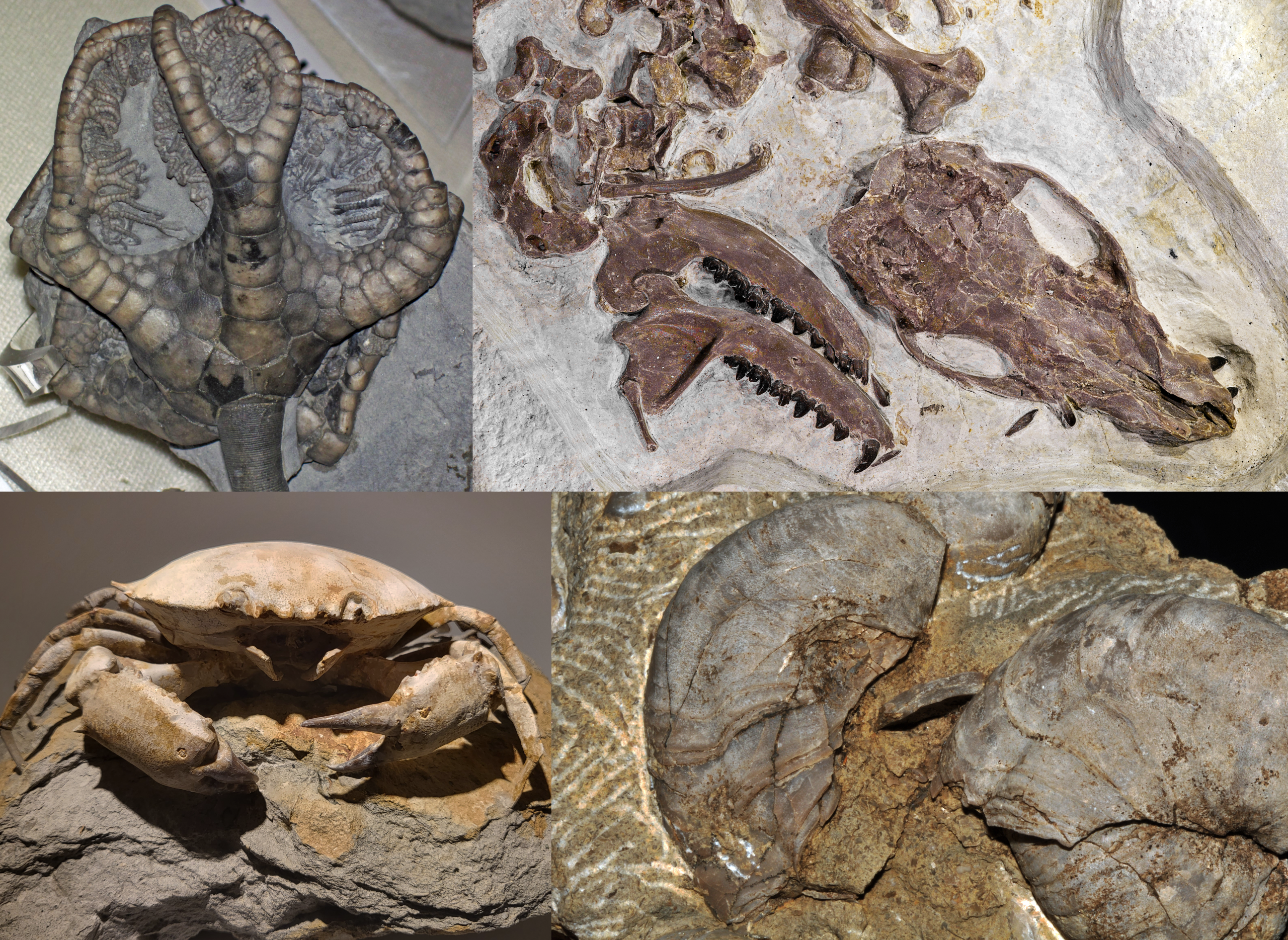
A groundbreaking discovery is sending shockwaves through the scientific community as researchers announce the identification of fossil remains of the ‘Ichthyotitan’, the largest marine reptile currently known, in the Westbury Formation in England. This extraordinary find, unveiled on April 17, 2024, is poised to significantly expand our understanding of the ancient world and its inhabitants. The Ichthyotitan, a colossal creature that dominated the oceans in a bygone era, is a fascinating addition to the fossil record, which is the totality of fossils that have been preserved over time.
As scientists begin to study the Ichthyotitan fossils in greater detail, they are likely to uncover a wealth of information about this prehistoric giant. Fossils, which can include bones, shells, exoskeletons, and even DNA remnants, offer a unique window into the past, allowing researchers to reconstruct the lives of long-extinct species. The Westbury Formation, where the Ichthyotitan fossils were discovered, is a geological formation known for its rich fossil deposits, and this latest find is a thrilling reminder of the secrets that still lie hidden beneath our feet. By analyzing the fossil remains, scientists can gain insights into the Ichthyotitan’s behavior, diet, and habitat, as well as its place within the ancient ecosystem.
The discovery of the Ichthyotitan fossils is a powerful demonstration of the importance of the fossil record in understanding the history of life on Earth. Despite being incomplete, the fossil record has been shown to provide a remarkably comprehensive picture of the evolution of life on our planet. By studying fossils like those of the Ichthyotitan, researchers can fill gaps in our knowledge of the sequence of evolution, shedding light on the complex and often surprising paths that different species have taken over time. This, in turn, can help scientists to better understand the diversity of life on Earth and how it has changed over millions of years.
One of the most exciting aspects of this discovery is the potential for new insights into the evolution of marine reptiles. The Ichthyotitan, as the largest known marine reptile, is a significant find that could help scientists to better understand the adaptations and strategies that allowed these creatures to thrive in ancient oceans. By comparing the Ichthyotitan fossils with those of other marine reptiles, researchers may be able to identify patterns and trends that can inform our understanding of the evolution of these fascinating animals. This, in turn, could have important implications for our understanding of the evolution of life on Earth as a whole.
As news of the Ichthyotitan discovery spreads, it is likely to captivate the imagination of people around the world. The idea of a colossal marine reptile, roaming the oceans in a bygone era, is a thrilling one that can inspire new generations of scientists, explorers, and enthusiasts. The discovery of the Ichthyotitan fossils is a reminder that there is still so much to be learned about the natural world and that the fossil record remains a rich and fertile source of new discoveries and insights. As researchers continue to study the Ichthyotitan and its place in the ancient world, we can expect a steady stream of exciting new findings that will help to illuminate the history of life on Earth.
Looking to the future, the discovery of the Ichthyotitan fossils is a powerful reminder of the importance of continued exploration and research into the natural world. As scientists push the boundaries of our knowledge and understanding, we can expect new and exciting discoveries that will challenge our assumptions and expand our horizons. The Ichthyotitan, a creature that was previously unknown to science, is a thrilling example of the secrets that still lie hidden, waiting to be uncovered by intrepid researchers and explorers. As we look to the future, it is clear that the discovery of the Ichthyotitan fossils is just the beginning of a new and exciting chapter in our understanding of the ancient world and its inhabitants.