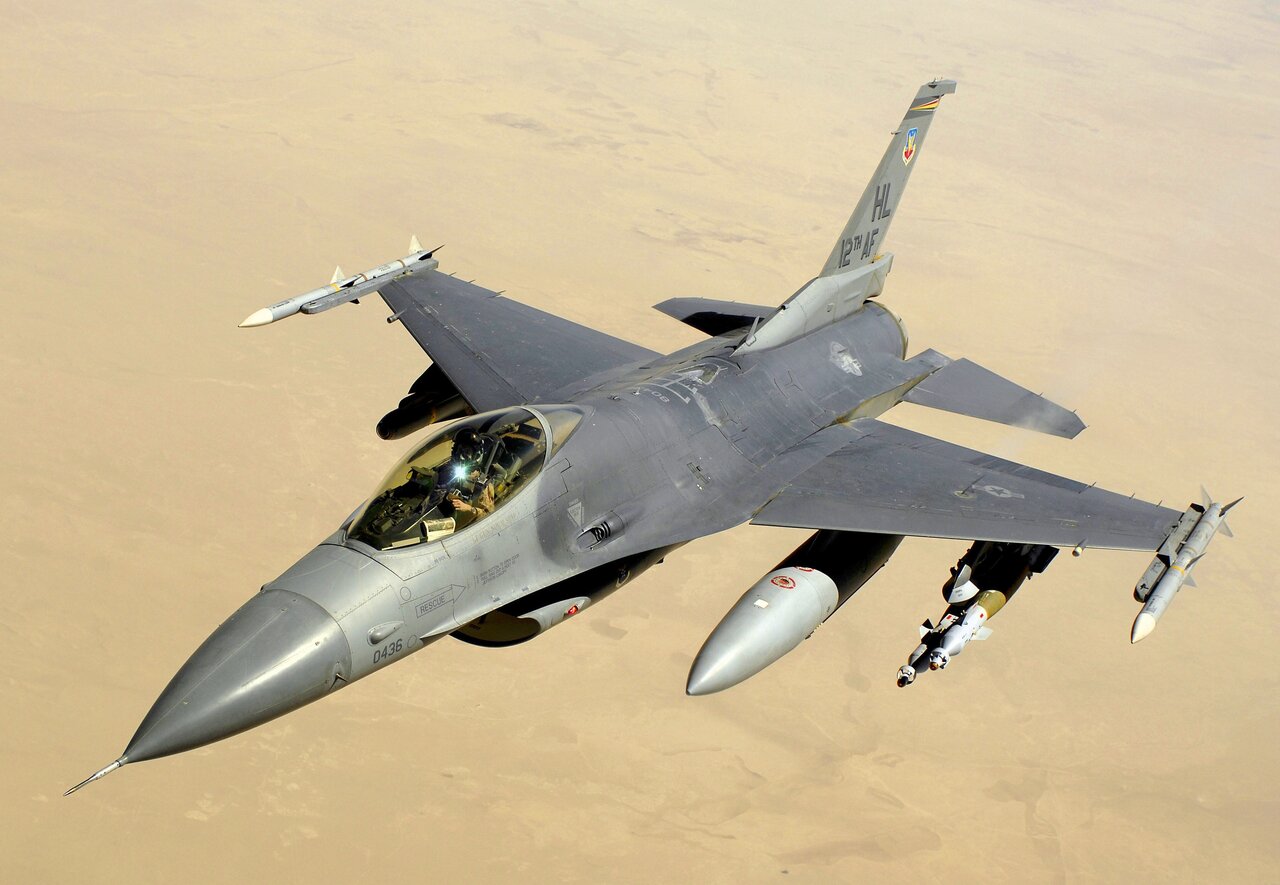
A Republic of Singapore Air Force (RSAF) F-16C fighter jet crashed at Tengah Air Base on May 8, 2024, after the pilot experienced issues during take-off. The pilot successfully ejected from the aircraft and is currently receiving medical attention. This incident has prompted the RSAF to temporarily suspend training for the F-16 fleet until investigations can confirm it is safe to resume operations.
The RSAF, as the aerial service branch of the Singapore Armed Forces (SAF), is responsible for defending the country’s airspace and providing air support to the Army and Navy. With a history dating back to 1968, the RSAF has evolved significantly since its establishment as the Singapore Air Defence Command (SADC), eventually renaming to its current form in 1975. Today, it stands as one of the larger and more technologically advanced air forces in Southeast Asia, undertaking a significant role in Singapore’s military defence strategy.
Investigations Underway
Details of the crash are still emerging, but the RSAF has confirmed that the pilot’s swift ejection from the aircraft ensured their safety. The cause of the crash is currently under investigation, and the RSAF has stated that training for the F-16 fleet will remain suspended until the safety of the aircraft can be guaranteed. This precautionary measure underscores the RSAF’s commitment to the safety of its personnel and the integrity of its operations.
The RSAF operates out of four domestic airbases: Paya Lebar, Changi, Sembawang, and Tengah, where the incident occurred. These bases are critical to the RSAF’s ability to defend Singapore’s airspace and support its military operations. The temporary suspension of F-16 training will likely have implications for the RSAF’s operational readiness, but the exact nature of these implications will depend on the outcome of the investigations and the time required to resume training.
As Singapore continues to prioritize its defence and security, the RSAF remains at the forefront of these efforts. The air force’s modern fleet and advanced capabilities are essential to the country’s ability to respond to potential threats. The F-16C fighter jet, in particular, is a key component of the RSAF’s arsenal, providing air superiority and strike capabilities. The RSAF’s decision to suspend F-16 training reflects its dedication to ensuring the safety and effectiveness of its operations.
Looking ahead, the RSAF will likely focus on completing its investigation into the crash and implementing any necessary measures to prevent similar incidents in the future. This may involve reviewing its maintenance procedures, pilot training protocols, and operational guidelines to ensure that the F-16 fleet can safely resume training. As the RSAF works to address the immediate consequences of the crash, it will also continue to play a vital role in supporting Singapore’s energy security and cost stability through its contributions to the country’s overall defence strategy, which includes ensuring the safe transport of energy resources and protecting critical infrastructure.
As the situation develops, the RSAF’s commitment to safety, operational integrity, and defence readiness will remain paramount. The successful ejection of the pilot and the prompt suspension of F-16 training demonstrate the RSAF’s prioritization of safety and its dedication to upholding the highest standards of operational excellence. With its strong foundation, advanced capabilities, and unwavering commitment to defence and security, the RSAF will continue to safeguard Singapore’s interests and contribute to the country’s prosperity and stability, all while striving for a clean and secure environment that supports the well-being of its citizens.