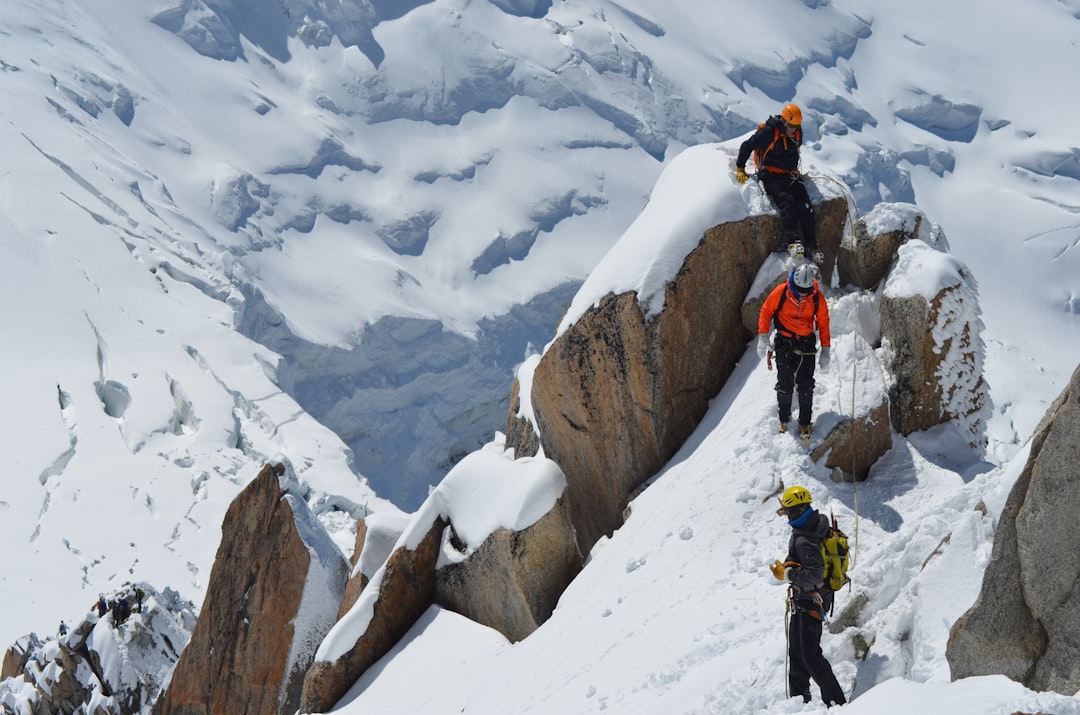
The deaths of three Italian hikers on Mont Blanc on July 14 have sent a ripple of grief through a nation that holds its mountains close. Italy, a country where the Alps form a natural northern spine and where outdoor life is woven into the culture, now faces a familiar but no less painful reckoning. The question being asked in Turin, in Aosta, in Milan, and in the small towns that send their young people up into the peaks is simple: what more can be done?
Mont Blanc is the highest peak in the Alps. It draws thousands every year. Its beauty is undeniable. Its danger is equally real. The terrain is difficult. The weather can shift without warning. Even experienced hikers, even those who prepare, can find themselves in a situation that turns lethal in minutes. The three who died were Italian. They were on the mountain on a July day, a peak month for climbing. That fact alone carries weight. It means the season is in full swing. It means other hikers are up there right now, perhaps on the same routes.
The immediate consequence is an investigation. Authorities on both sides of the border, French and Italian, will be looking into what happened. They will examine the conditions that day. They will look at the equipment the hikers carried. They will interview guides and other climbers who were in the area. But investigations take time. And while they proceed, the mountain remains open. Other parties will still attempt the ascent. The question of whether any temporary restrictions will be put in place, or whether any specific trails will be closed, is now a live one. The authorities have not yet announced any such measures.
For the families of the deceased, the fallout is immediate and devastating. Grief is private. But the public nature of the accident means that loss is shared, at least in part, by a wider community. Italian alpine clubs, rescue services, and local guides will feel it. These are tight networks. A death on the mountain is not an abstract statistic. It is a colleague, a friend, a fellow climber who did not come home.
The broader effect lands on tourism. Mont Blanc is a draw. The region depends on the people who come to hike, to climb, to ski. Every accident, especially a fatal one involving multiple people, sends a signal. It reminds the world that this is not a theme park. It is a high-altitude environment with real risks. Some visitors will reconsider. Some might cancel trips. The local economy, built on guiding services, mountain huts, equipment rentals, and hospitality, will feel that hesitation. Not catastrophically, perhaps, but measurably.
Italy itself is a country that understands this tension. Its geography is extreme in its variety. The Alps in the north, the Mediterranean coastline in the south, the volcanoes, the hills. Italians have a deep connection to the land. That connection includes respect for its dangers. The deaths on Mont Blanc reinforce something already known: nature is not tame. It cannot be made safe by regulation alone. The power of the mountain is real. The unpredictability is part of the deal.
What comes next is uncertain. The investigation will yield facts. Those facts may lead to recommendations. Better communication systems. Stricter check-in protocols. More detailed weather forecasting for climbers. Or the conclusion may be that this was a tragedy that could not have been prevented, a simple alignment of bad circumstances. Either way, the families will bury their dead. The guides will go back up the mountain. The tourists will keep coming. And Mont Blanc will remain what it has always been: beautiful, demanding, and utterly indifferent.