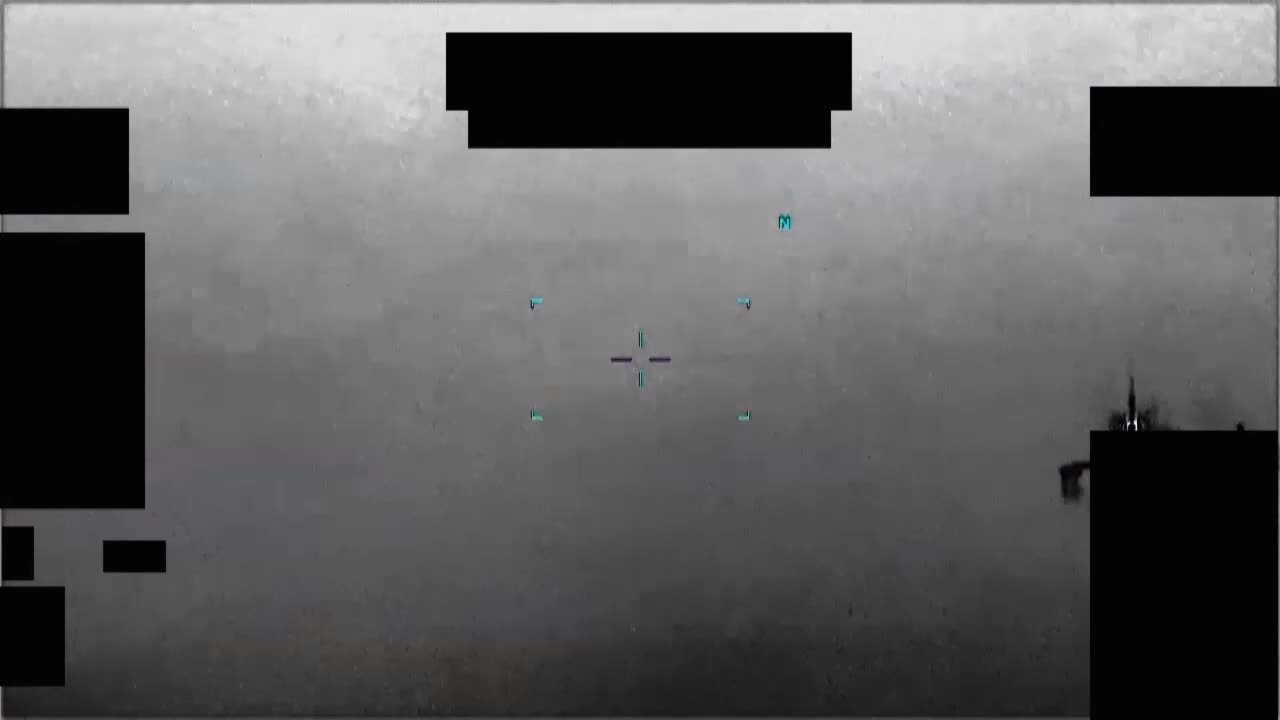
The U.S. military released a mission report from Iraq on May 8, 2026, nearly 20 months after the event it describes. The document, cataloged as DOW-UAP-D28, details a weapons calibration test gone strange. An aircraft crew fired an AGM-176 Griffin missile over Iraq on September 20, 2024. Then something else flew through their sensors.
The report is a MISREP — a standardized form the military uses to log operational incidents, including UAP sightings for the All-domain Anomaly Resolution Office. That form is the whole story here. It is not a press release. It is not a public statement. It is a crew’s raw, subjective account, filed under the Department of War’s PURSUE archive, stripped of identifying details. The aircraft’s callsign, tail number, and crew names are all redacted.
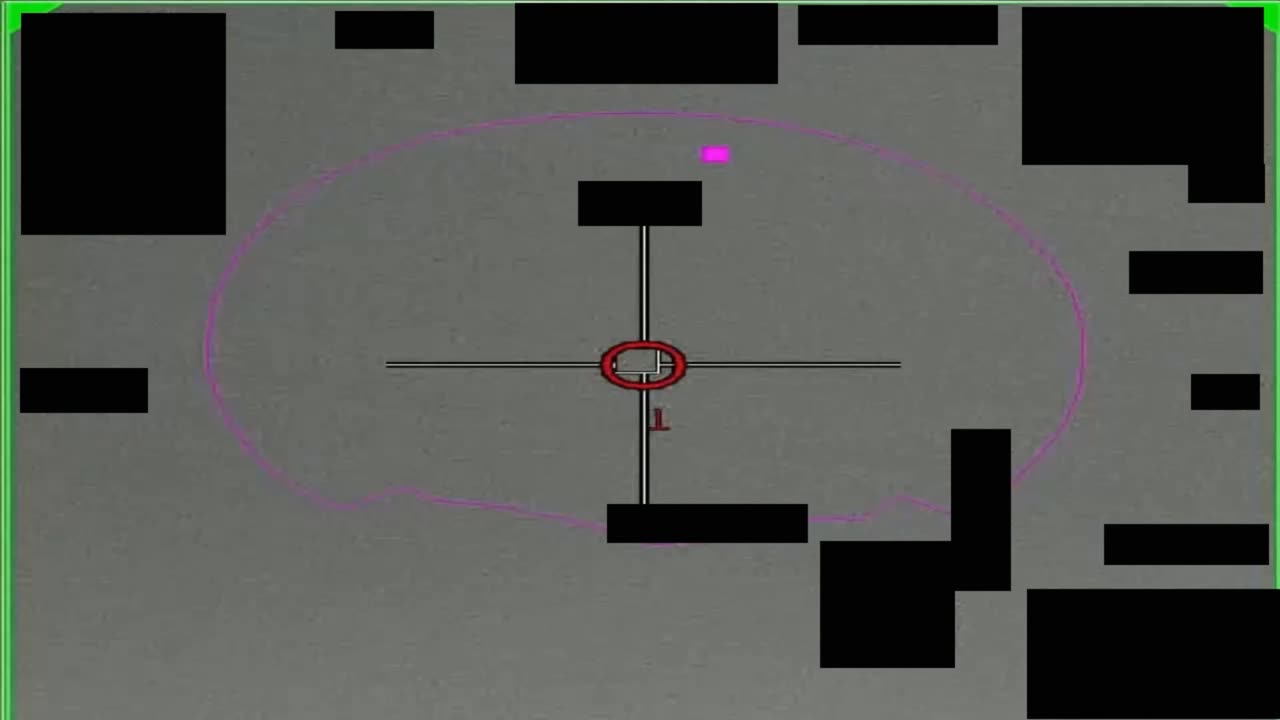
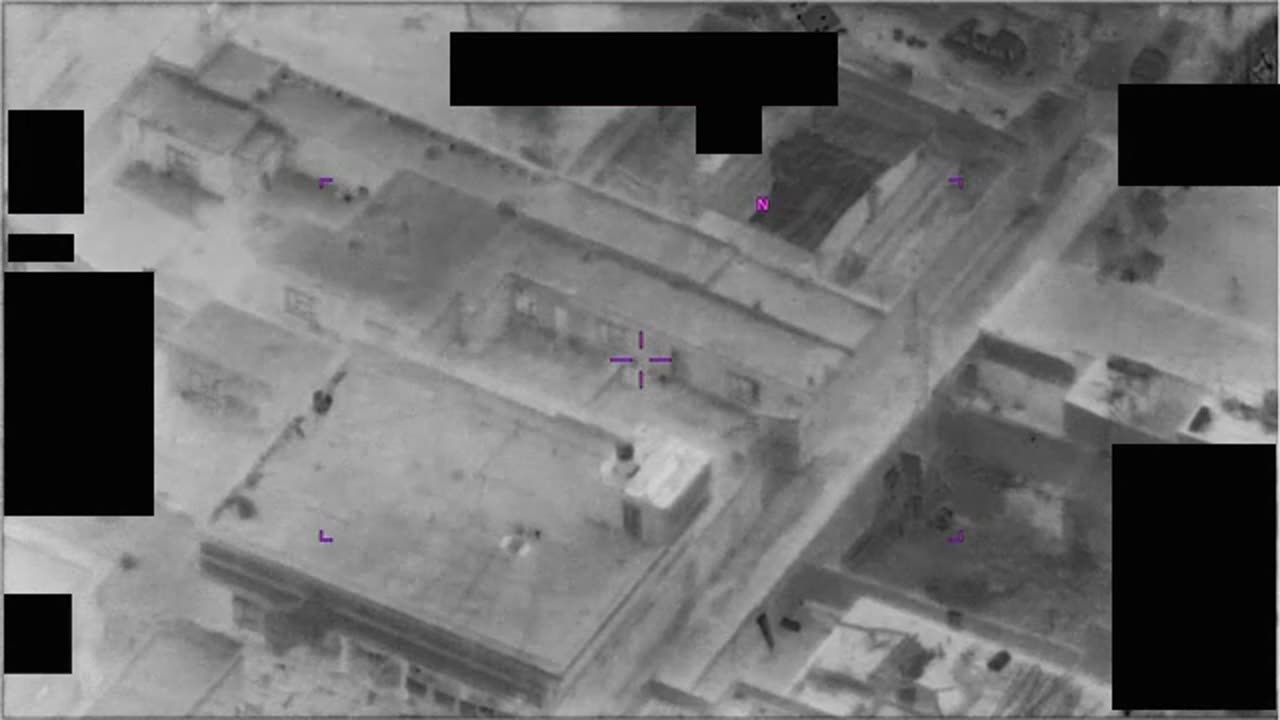
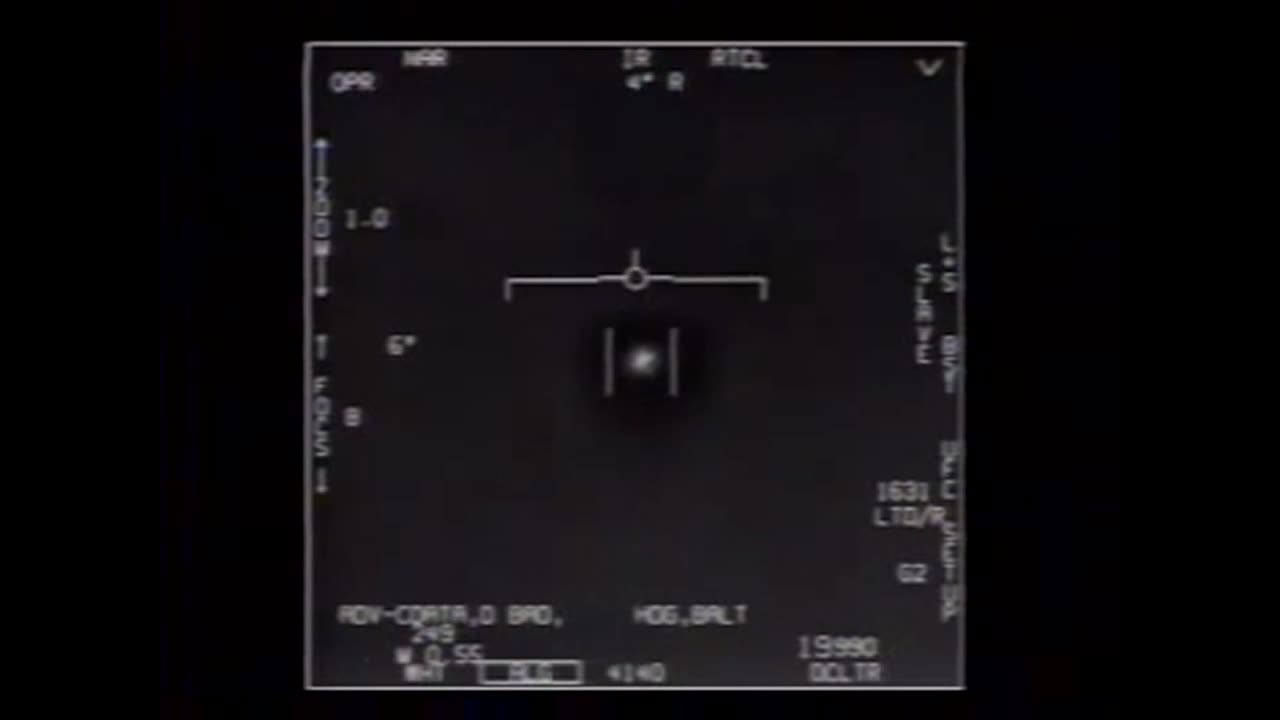
What remains is a narrow slice of data. The crew was running an armed overwatch mission. They released 20 rounds of 105mm, 101 rounds of 30mm, and one AGM-176 Griffin missile. During that test, their MX-20 and MX-25 infrared sensors picked up a lens flare. The reporter on scene — the crew member filing the form — described it as moving through the sensor’s field of view at high speed. They assessed it came from “a significant heat source.”
That phrase matters. The report’s own language flags it: all descriptive and estimative language reflects the reporter’s subjective interpretation at the time. This is not a conclusion. It is a logged impression.
The document also lists the aircraft’s sensor suite — AN/APN-241 radar, AN/ALR-56M radar software load, AAR-47 missile warning system. Those are standard gear. Nothing exotic. The crew saw what they saw through standard military optics during a routine calibration shoot.
The timing is odd. The event happened in September 2024. The report dropped in May 2026. That is a long lag for a routine MISREP, unless something about it required review or classification before release. The Department of War does not say why it held the document for 20 months.
What the report does not contain is as telling as what it does. No second sensor corroboration. No radar track matching the visual. No other aircraft reporting the same object. Just one crew, one sensor field, one brief observation during a missile test. The flare appeared, crossed the frame, and vanished. The crew filed the report. The document sat. Then it was released.
This is the pattern the PURSUE archive has established — drip-feeding old reports with minimal context. The public gets the form, not the analysis. The AARO gets the data, but the public gets a PDF with redactions and a note that the reporter might have been wrong. The crew themselves are not named. Their chain of command is not named. What the AARO made of this report is not in the document.
One crew member saw a heat source move fast. They wrote it down. The military stamped it and filed it. Twenty months later, the public saw it. That is the entire public record on DOW-UAP-D28. No follow-up. No explanation. Just a form.