The Trump administration’s push to declassify government UFO records reached a new milestone on May 8, 2026. On that day, the U.S. Department of War’s PURSUE archive released a document labeled “FBI Photo A1.” It is a single still image. That is all the FBI submitted to the All-domain Anomaly Resolution Office, or AARO.
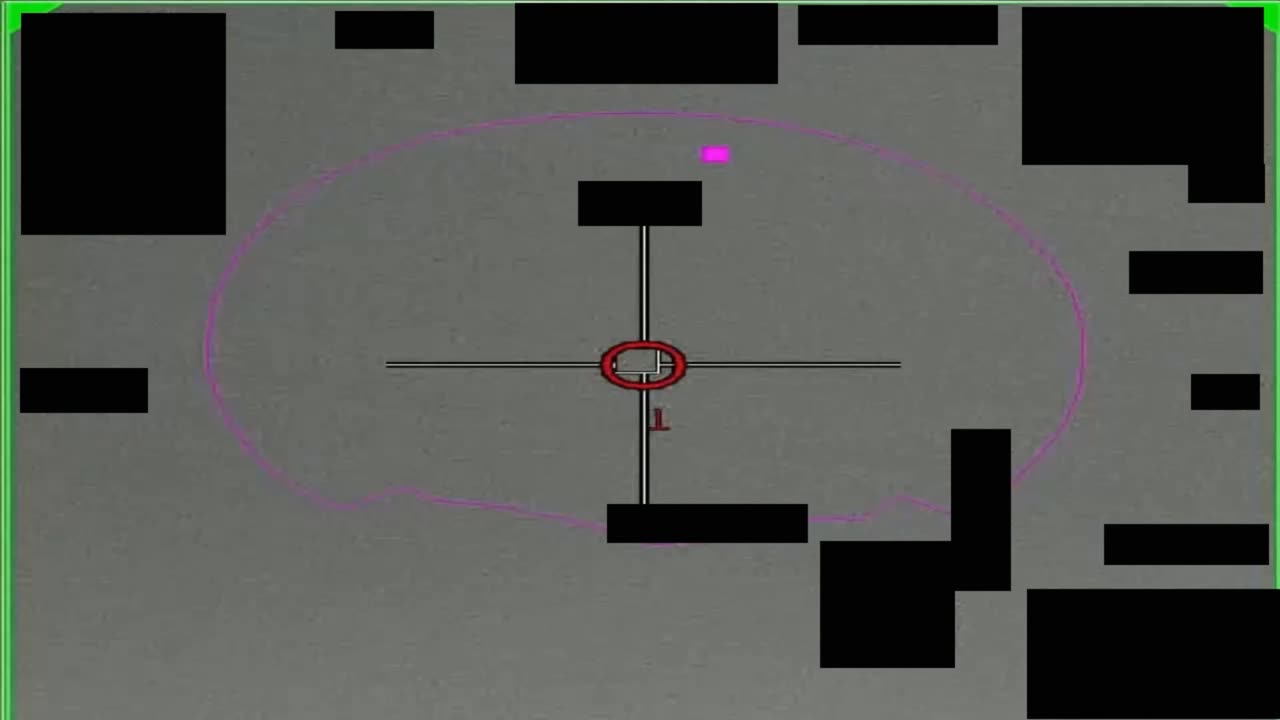
The image itself is unremarkable at first glance. It is monochrome, grainy, uniform in texture. A central crosshair reticle dominates the frame. Just below and to the right of center sits a small, dark, irregular object. The operator who captured it could not positively identify what it was. The government says the description is provided for informational purposes only. It explicitly warns readers not to interpret any part of that description as an analytical judgment or a factual determination. In other words, they are telling you not to read too much into it.
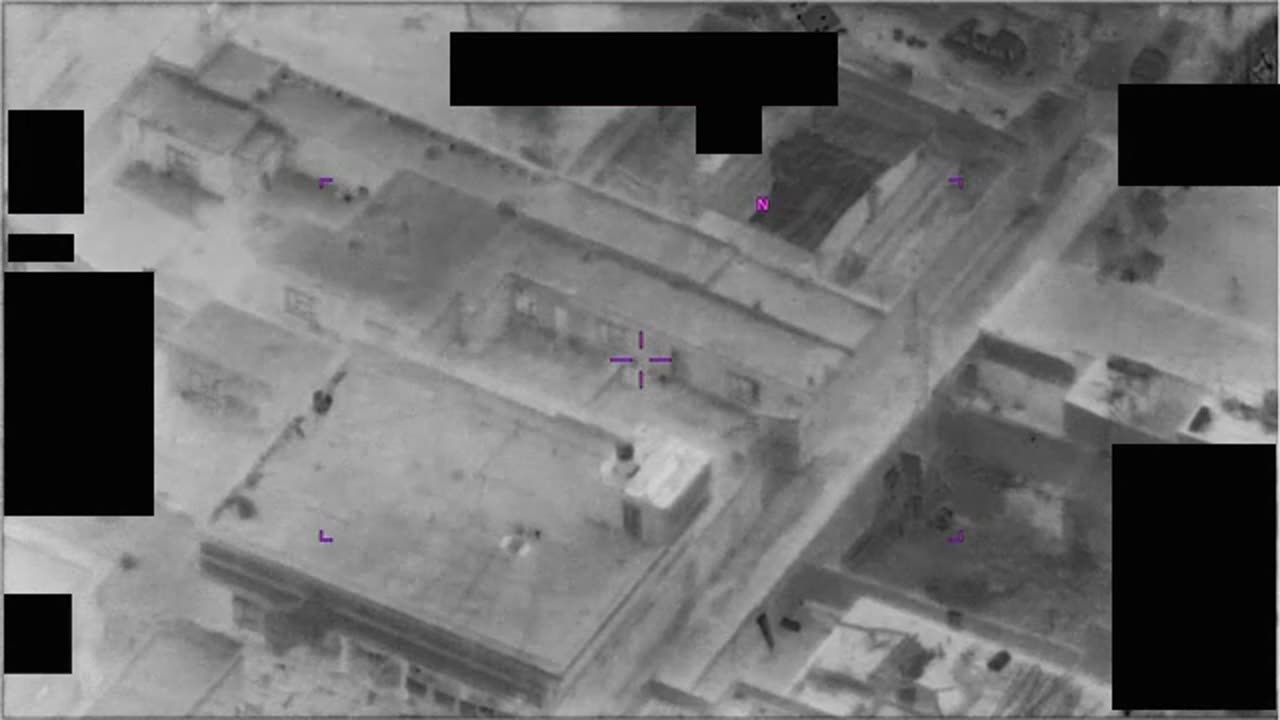
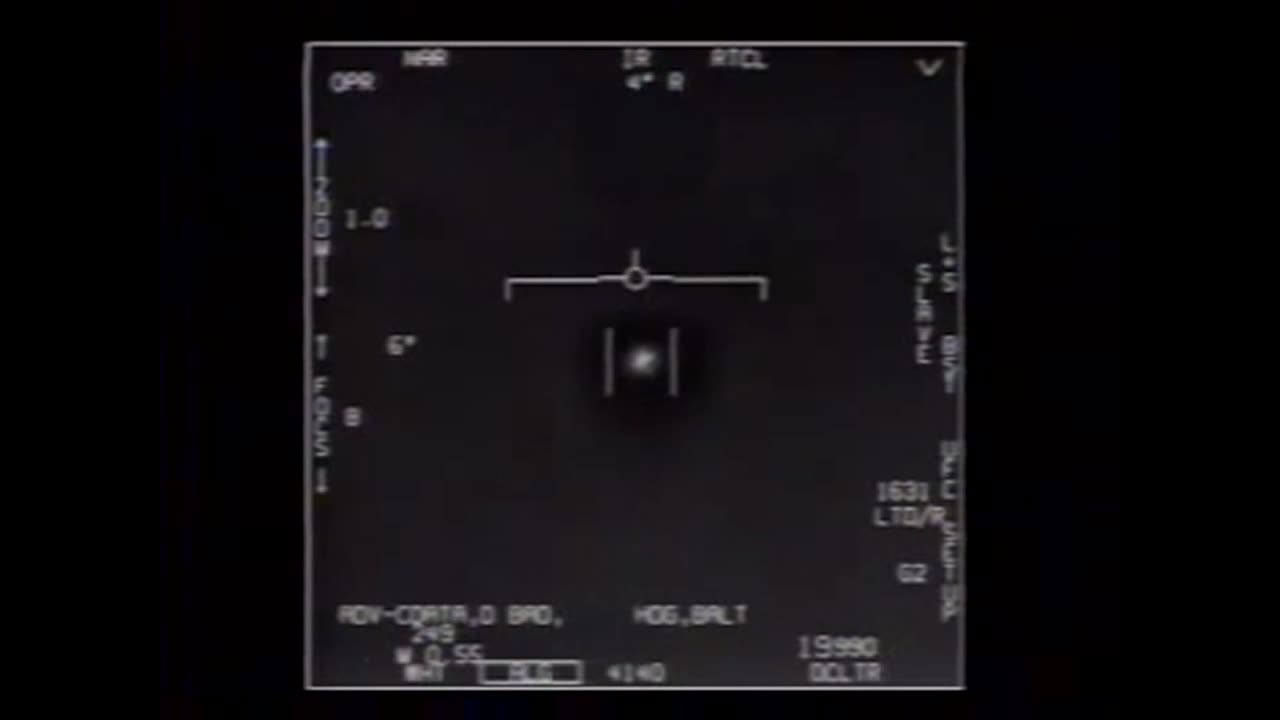
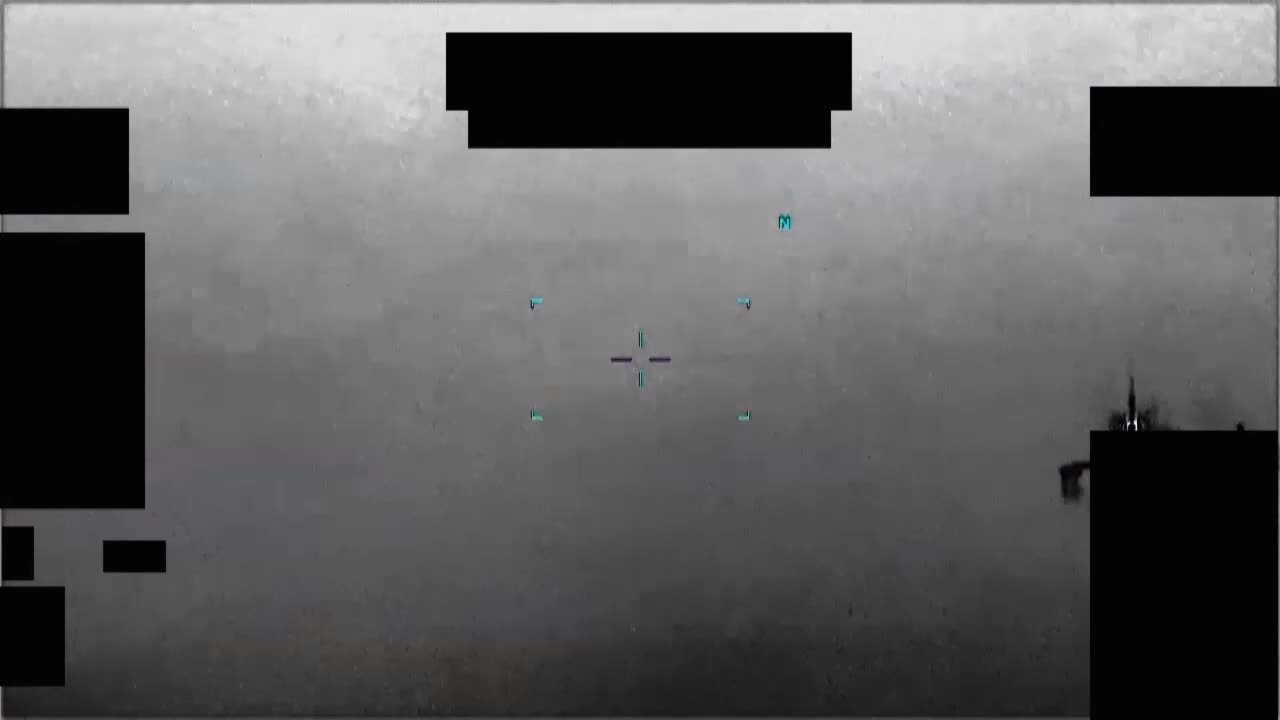
But the fact that the FBI sent a single photo at all is what matters here. The document reveals that the original imagery was altered with redactions before being sent to AARO. No accompanying mission report was provided. The date and location of the event remain unknown. The official summary offers little else. This is not a detailed case file. It is a fragment.
The release fits into a larger pattern. The Trump administration announced on May 8, 2026, that it would begin declassifying and releasing U.S. government records concerning UFOs — now officially called unidentified anomalous phenomena, or UAPs. The PURSUE archive is the vehicle for that release. According to a Wikipedia summary of the topic, the United States UFO files are a collection of declassified records released under the Trump administration. The release is described as repeated, ongoing, and expanding.
So “FBI Photo A1” is not an isolated leak. It is one piece of a deliberate, continuing disclosure. The government is not dumping everything at once. It is feeding records out over time. Each release, including this one, comes with caveats. The descriptions are not judgments. The images are not confirmed. The narratives are not conclusions. The reader is left to decide what to make of it.
Why does this matter now? Because the government is slowly shifting its posture on UAPs. For decades, the official line was silence or dismissal. That changed with the establishment of AARO. Now the Trump administration is making records public. The FBI’s involvement is notable. The Bureau does not typically wade into UFO matters. Its core mission is domestic law enforcement and counterintelligence. Yet here it is, submitting a photo to a Pentagon office that tracks anomalous phenomena.
The photo’s origin is described only as a U.S. government system. That could mean a satellite, a drone, an aircraft, or something else entirely. The lack of a mission report means analysts and the public have no context. No chain of events. No explanation of the object’s behavior. Just a grainy still with a crosshair and a dark smudge.
The government’s caution is deliberate. They do not want anyone claiming the photo proves anything. They are releasing it, but they are also distancing themselves from it. The description is for informational purposes only. Do not draw conclusions. Do not treat this as evidence. That is the official position.
But the fact remains: the FBI has a UAP photo. It exists in a government archive. It was deemed worth preserving and worth releasing. That alone is a shift from the past. Whether it means anything more is, for now, left to the reader.