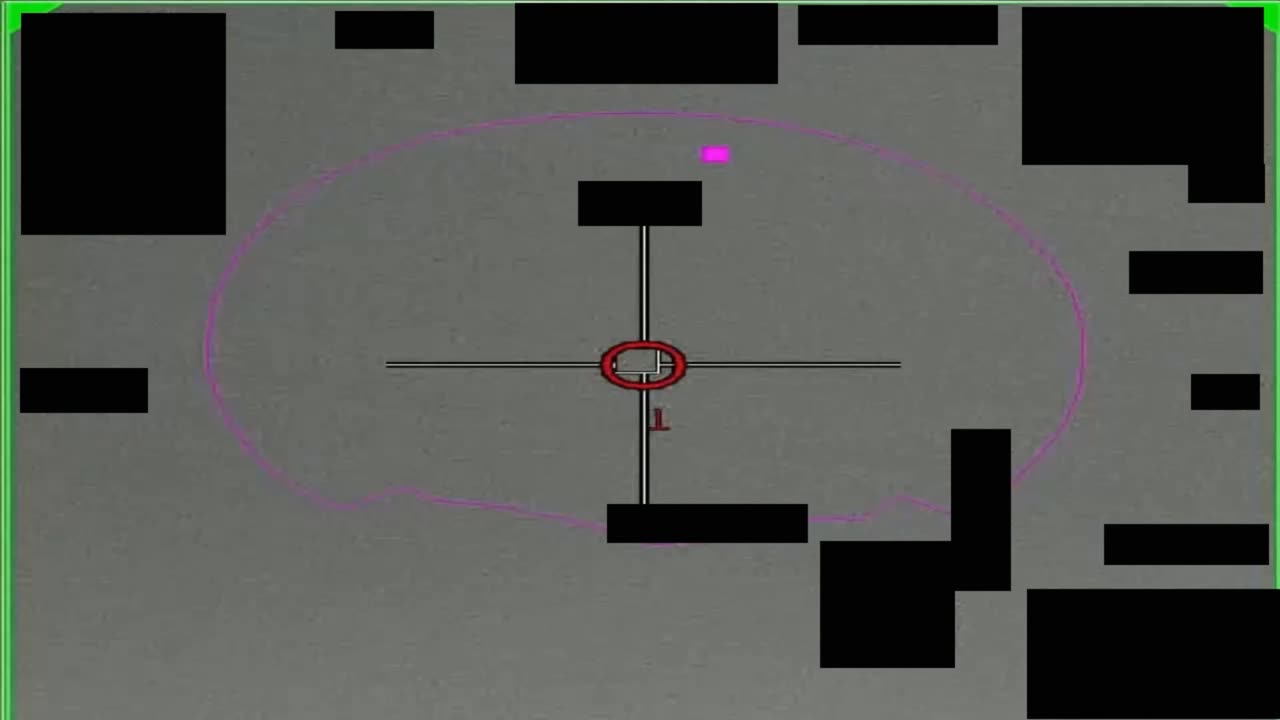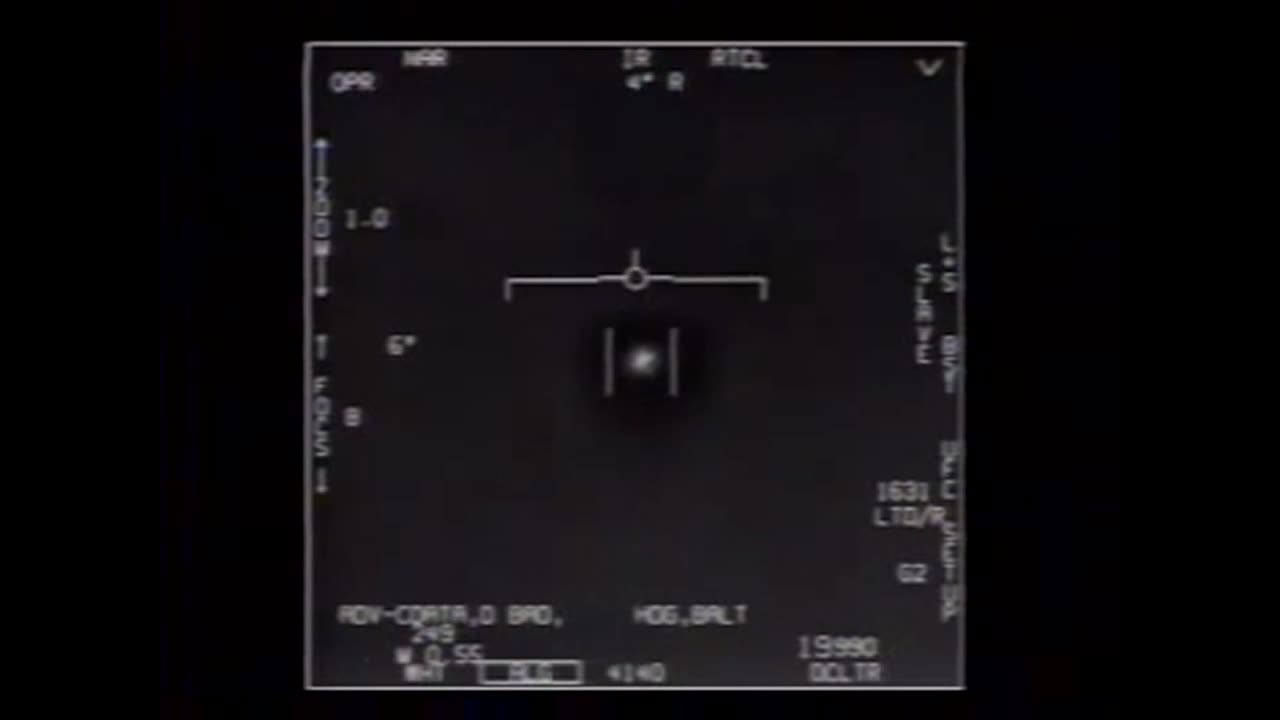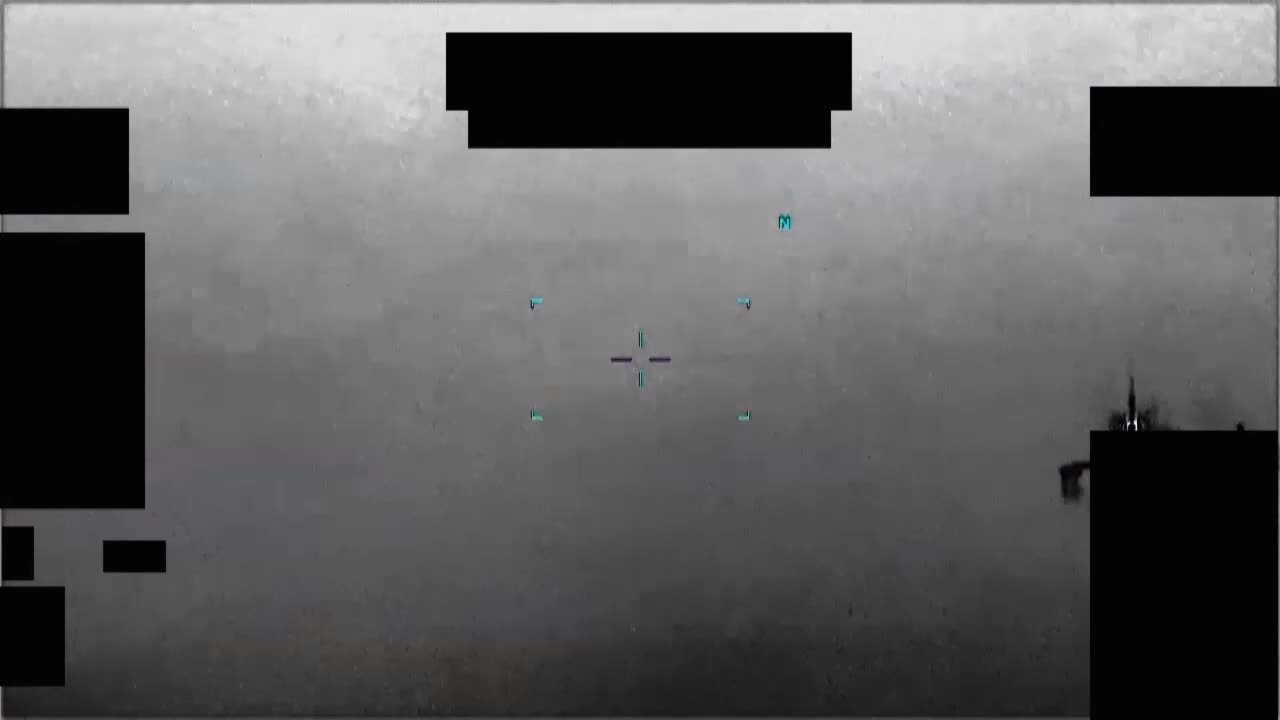
The declassification of a single, redacted still image by the FBI marks a small but notable step in a much larger, decades-long process of government transparency regarding unidentified anomalous phenomena. The image, designated “FBI Photo A2” and submitted to the All-domain Anomaly Resolution Office (AARO), was released on May 8, 2026, through the U.S. Department of War’s PURSUE archive. It shows a dark, circular object centered in a crosshair reticle against a mottled, textured background that officials describe as “suggesting a varied landscape or surface.”
The record is sparse. No date, no location, no accompanying mission report. The operator who captured the original imagery stated they could not positively identify the object. The FBI document itself was altered with redactions before being handed over to AARO. The official narrative description accompanying the release contains a pointed disclaimer: readers “should not interpret any part of this description as reflecting an analytical judgment, investigative conclusion, or factual determination regarding the described event’s validity, nature, or significance.”
This release is not an isolated event. It sits within the framework of the PURSUE archive, a broader declassification effort tied to what are commonly known as the United States UFO files. According to a Wikipedia summary of those records, they constitute “a collection of declassified United States government records concerning UFOs, also called unidentified anomalous phenomena (UAPs), released by the administration.” The inclusion of an FBI document in that collection is significant. The bureau’s role in UAP investigations has historically been peripheral compared to the Air Force or the Navy. An official FBI submission to AARO suggests a level of institutional coordination that was absent for decades.
The image itself is monochrome. The central object is described as “dark” and “circular.” The background is “mottled” with an “uneven appearance.” That is the sum of the physical evidence. No analysis of the object’s size, altitude, speed, or flight characteristics is provided. The crosshair reticle indicates the image was captured through a targeting or observational system, but the source of that system is redacted. The official summary offers no clue as to whether the object was stationary or moving, whether it emitted heat or light, or whether it was detected by radar.
Critics have long argued that declassified UAP material is often so stripped of context as to be useless for independent analysis. This release does little to counter that charge. The redactions are heavy. The mission report is missing. The date and location are withheld. The sole piece of primary evidence is a still image that, by the government’s own description, carries no analytical weight. The disclaimer attached to the narrative description explicitly warns against drawing conclusions from it.
Yet the very existence of the release signals a shift. For most of the 20th century, the U.S. government denied any official interest in UFOs. Project Blue Book was closed in 1969. The topic was treated as fringe. The creation of AARO in 2022, and the subsequent declassification drives under the PURSUE archive, represent a formal admission that the government has been collecting data on UAPs for years. The FBI’s participation in that process, however limited, confirms that the interest is interagency.
The image tells us almost nothing about the object it depicts. But it tells us something about the system that produced it. A single redacted photograph, released with a disclaimer that it means nothing, is itself a kind of statement. It says the government has records it is willing to show, but not to explain. It says the process of disclosure is real, but slow, cautious, and incomplete. The operator who saw the object could not identify it. The bureau that filed the report could not identify it. The archive that released it offers no conclusions. The image sits in a public record, dark and centered in its reticle, and the description warns the reader not to interpret it.