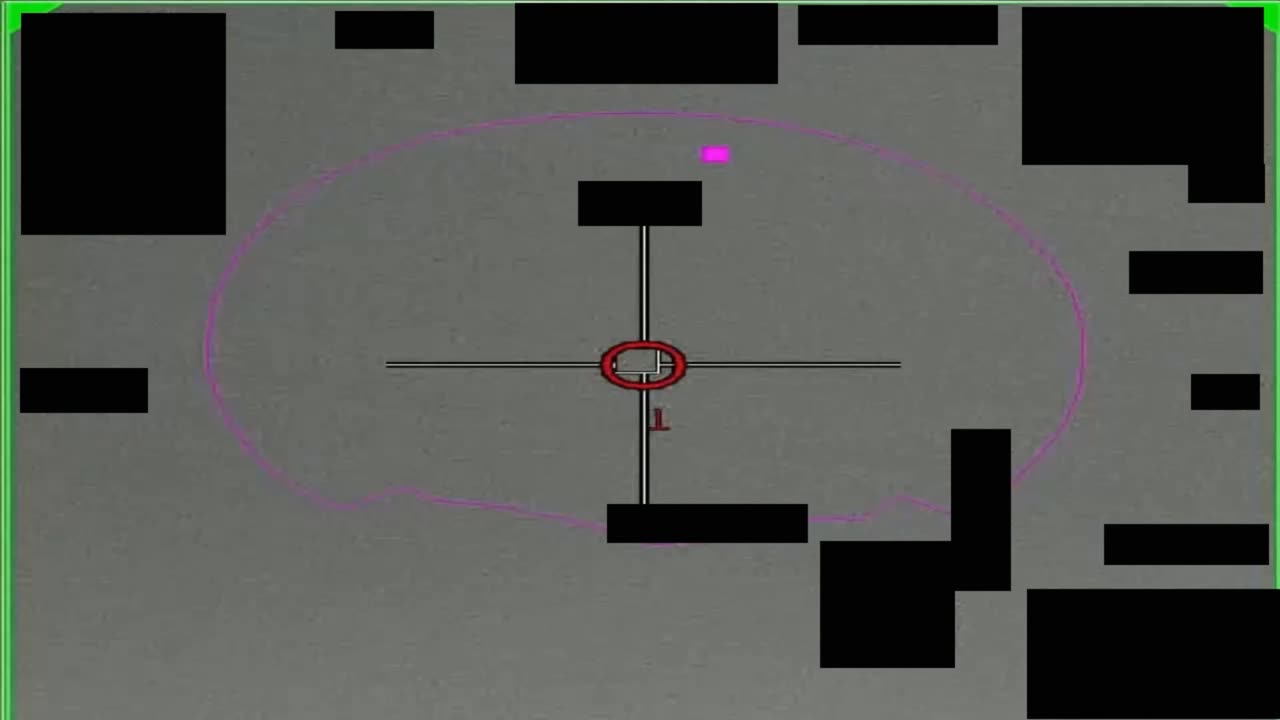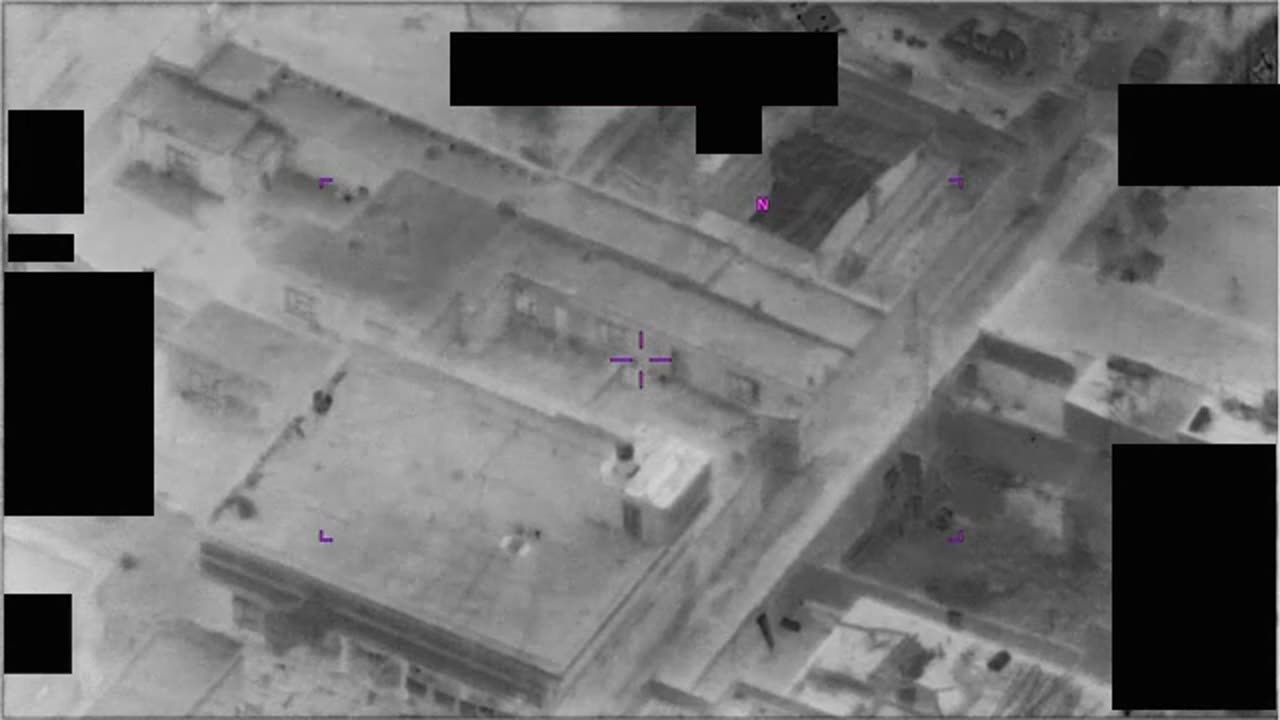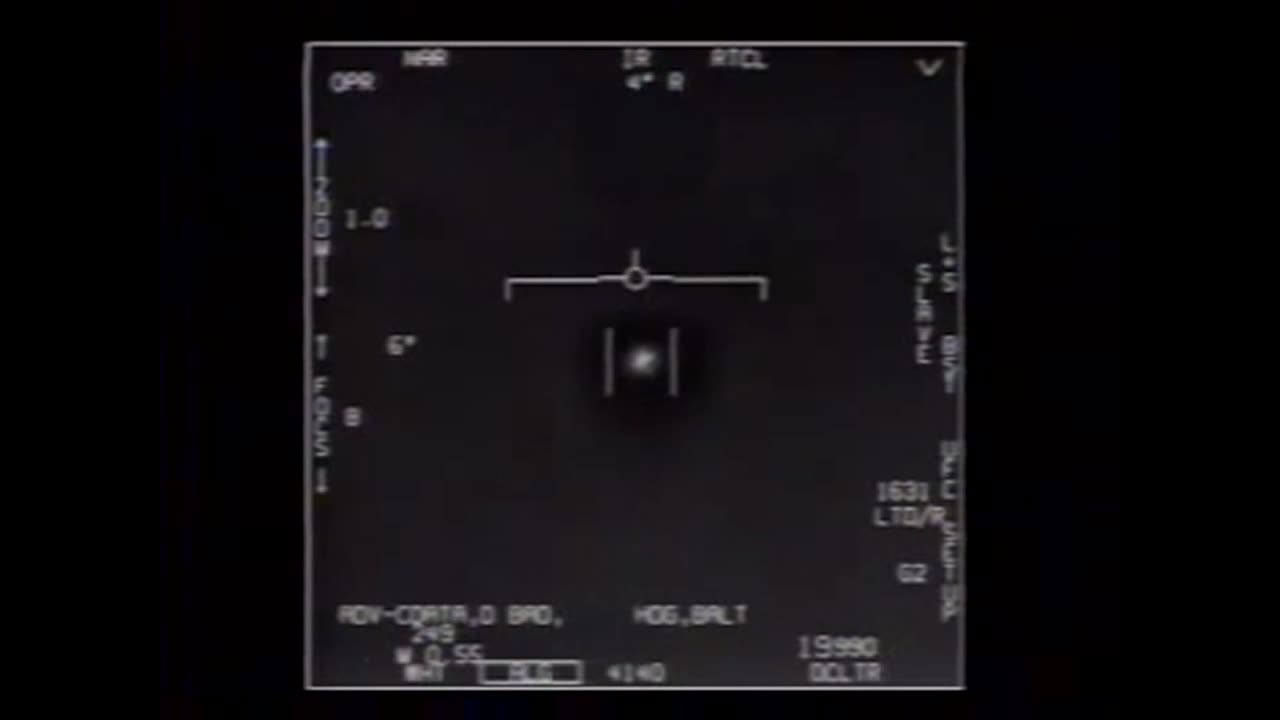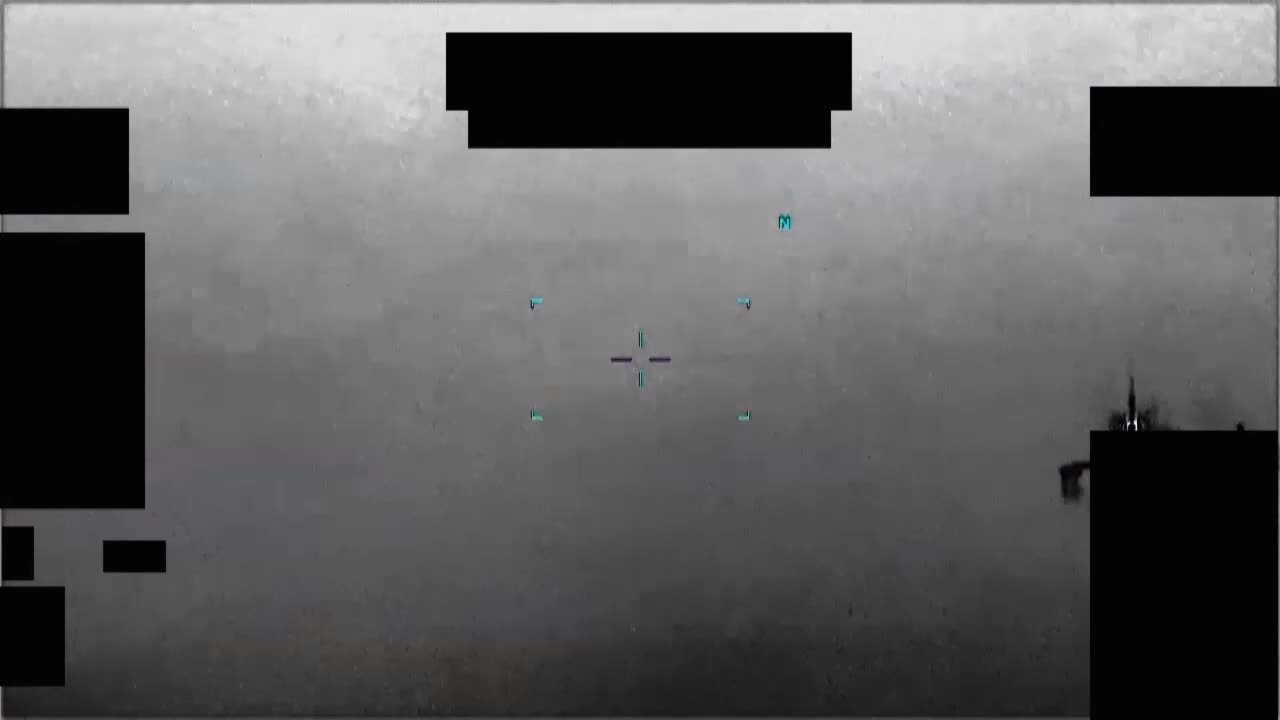
The single most important fact in the FBI’s latest UAP submission to the Pentagon is not the blurry object at the center of the frame. It is the redaction. The document, titled “FBI Photo B19,” was released on May 8, 2026, through the Department of War’s PURSUE archive. It is a monochrome still image, captured by a U.S. military system in the Western United States in late 2025. The official record states, plainly, that the original imagery was altered with redactions before being handed over to the All-domain Anomaly Resolution Office (AARO). The question of what was removed is the only solid lead in an otherwise empty file.
The image itself tells almost nothing. It is grainy. A crosshair reticle sits at the center. A small cluster of dark pixels, described officially as an object, occupies the exact middle of that reticle. The operator who captured it could not identify it. The system’s date and time were not set, so the timestamp on the image is wrong. No accompanying mission report was provided. The Department of War attached a narrative description to the release, but it came with a heavy caveat: it is for informational purposes only. Readers are explicitly told not to interpret any part of it as an analytical judgment, investigative conclusion, or factual determination regarding the event’s validity, nature, or significance.
That caveat is unusual. It suggests the government is releasing something it does not fully vouch for. It is a photograph, submitted under official cover, that the submitter—the FBI—took the trouble to redact before passing along. The FBI’s own description is sparse. The document does not specify what kind of military system captured the original image. It does not say why the image was redacted. It does not name the operator. It does not give a location more specific than the Western United States. The only thing the record makes clear is that something was taken out of the picture before it reached AARO.
This is not a case of a blurry photo generating controversy. It is a case of a government agency submitting a deliberately incomplete record to the office tasked with investigating unidentified anomalous phenomena. The redaction is the story. If the image were truly insignificant, there would be no need to edit it. If the event were a straightforward sensor glitch or a known aircraft, the FBI could have said so. Instead, the bureau submitted a single altered still frame and called it a report.
The timing matters. The incident occurred in late 2025. The document was released in May 2026. That is a short window for a government record to move from a military sensor to the FBI to AARO to the public archive. It suggests a streamlined process, or perhaps a low-priority file that cleared quickly. But the redaction complicates that reading. Someone, somewhere, decided that parts of the original imagery should not be seen. That decision was made before the file reached AARO. The Pentagon’s UAP office received an already-trimmed product.
There is no quote from an official explaining the redaction. No statement from the FBI. No comment from AARO. The Department of War released the file with its own disclaimer attached, effectively washing its hands of any interpretation. The public is left with a single grainy image, a known incorrect date, and the knowledge that something is missing from the frame. The operator could not identify the object. The bureau redacted the original. The Pentagon’s description warns against drawing conclusions. The only conclusion the record supports is that the government is not showing its full hand.